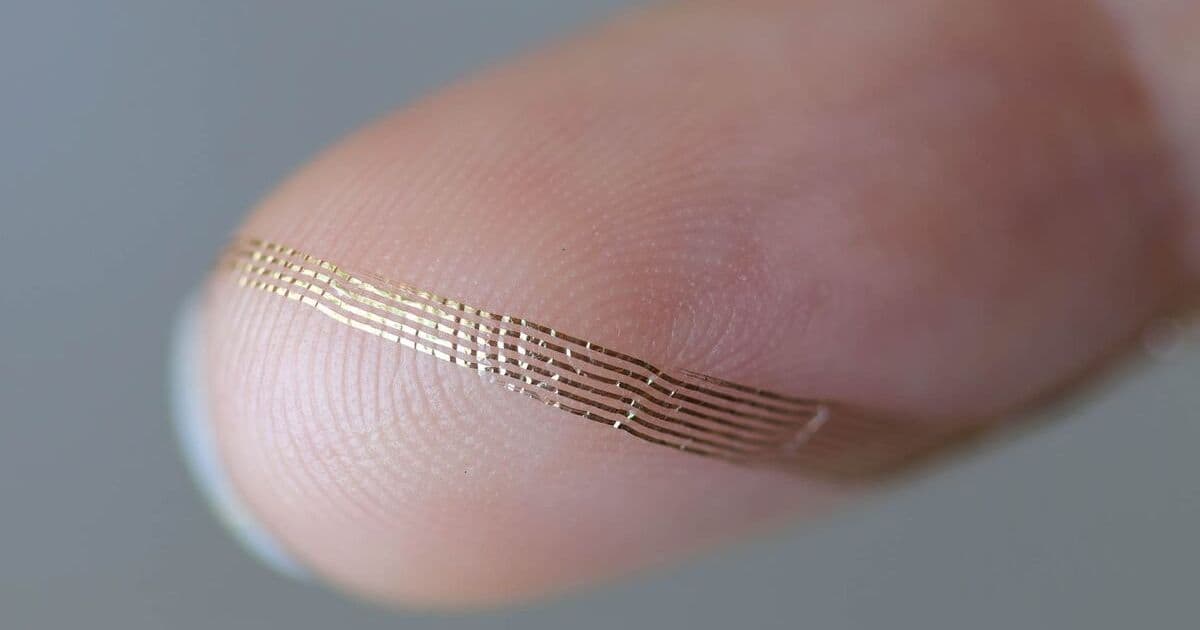
Massachusetts-based neural implant startup Axoft has secured $55 million in Series A funding and successfully tested its brain implant technology on a patient in Shanghai, marking a notable entry into China's growing neuroscience market.
The brain-computer interface (BCI) field continues to attract significant investment as Axoft, a Massachusetts-based neural technology company, announced a $55 million Series A funding round alongside news of its first human trials in China. The company has reportedly implanted its device in a patient in Shanghai, with plans to expand clinical trials across China, a strategic move that highlights both the technological potential and geopolitical complexities of neurotechnology development.
What's claimed Axoft joins a crowded field of neural implant companies including Neuralink, Synchron, and Blackrock Neurotech, each pursuing different approaches to brain-computer interfaces. The company has not publicly detailed the specific capabilities of its implant or the condition being treated in the Shanghai patient. However, the successful implantation suggests Axoft has developed a device capable of safely interfacing with human neural tissue, a significant technical hurdle in BCI development.
The company's decision to conduct initial human trials in China rather than the United States or Europe indicates either strategic market positioning or potential regulatory advantages in the Chinese healthcare system. China has been actively promoting its neuroscience capabilities, with significant government investment in brain research and a more streamlined approval process for certain medical technologies.
What's actually new While Axoft's announcement lacks technical specifics, the company's approach appears to focus on minimally invasive implantation techniques, which could represent a meaningful advancement in the field. Current neural implants often require craniotomy (surgical opening of the skull) for electrode placement, a procedure that carries significant risks. If Axoft has developed a less invasive implantation method, this could substantially reduce the risk profile of BCI procedures.
The company's focus on the Chinese market also represents a notable strategic choice. Most Western BCI companies initially target trials in their home markets before expanding internationally. Axoft's China-first approach suggests either strong partnerships with Chinese medical institutions or recognition of the unique opportunities in China's large patient population and supportive regulatory environment.
Limitations Despite the positive announcement, significant questions remain about Axoft's technology. The company has not published peer-reviewed data on its device's performance, safety profile, or long-term viability. Neural implants face substantial challenges including:
- Biocompatibility: Long-term implantation risks immune rejection and tissue damage
- Signal stability: Neural signals degrade over time as tissue forms scar tissue around electrodes
- Power requirements: Current wireless implants require frequent battery replacement or external power sources
- Data processing: Extracting meaningful neural signals requires sophisticated algorithms
- Ethical considerations: Privacy and security concerns surrounding neural data
The geopolitical context adds another layer of complexity. US-China tensions have created challenges for technology collaboration in sensitive fields like neuroscience. Axoft's ability to navigate these political waters while maintaining technological progress will be critical to its success.
Regulatory pathways in China may differ from those in Western countries, potentially allowing faster initial trials but raising questions about long-term safety monitoring and approval standards. Chinese regulators have historically been more permissive for certain medical technologies, though this is changing as China seeks to establish itself as a leader in healthcare innovation.
The $55 million Series A funding, while substantial, may be modest compared to the capital requirements for neural implant development. Competitors like Neuralink have raised billions, suggesting Axoft will need additional funding to bring its technology to market. The funding round's lead investors were not disclosed, making it difficult to assess the level of strategic support behind the company.
Looking forward, Axoft's success will depend on several factors: the clinical results from ongoing trials, the ability to demonstrate clear therapeutic benefits over existing treatments, and the capacity to scale manufacturing while maintaining quality control. The company's China-focused strategy could provide advantages in terms of patient access and trial speed, but may also limit market opportunities in Western countries where reimbursement systems are more established.
As brain-computer interface technology continues to evolve, companies like Axoft will need to balance rapid innovation with rigorous safety validation. The field holds tremendous promise for treating neurological conditions, but the path from laboratory to widespread clinical use remains long and uncertain.
Comments
Please log in or register to join the discussion