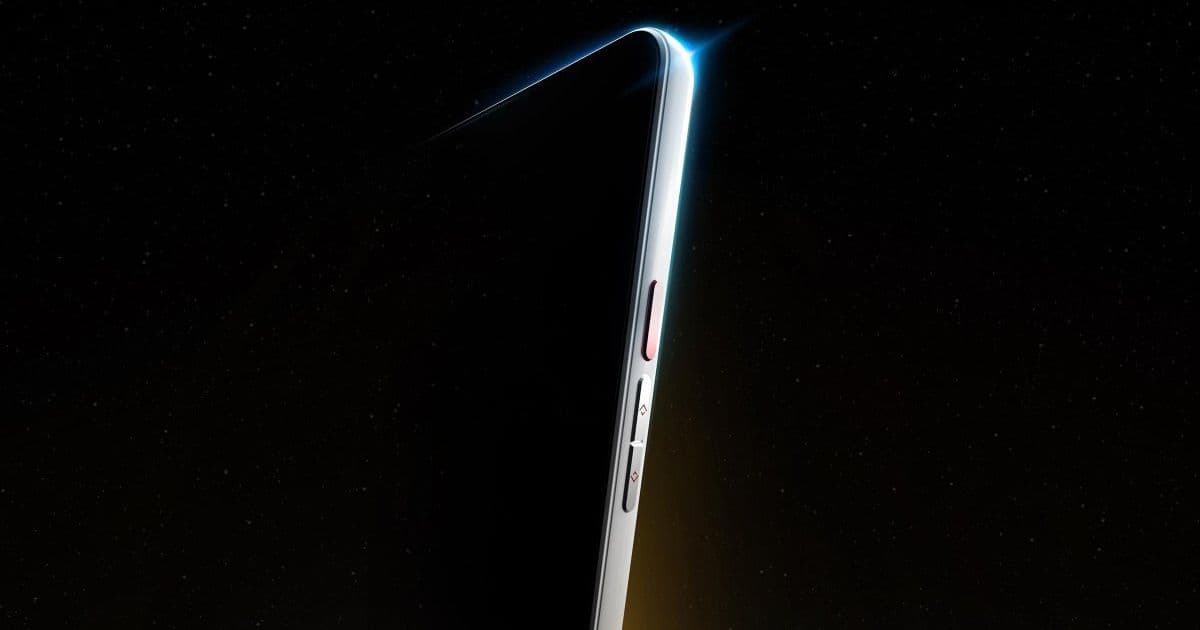
Bigme is teasing a new dual-screen smartphone with a color E Ink display on one side and an LCD screen on the other, potentially solving the limitations of E Ink technology while maintaining its benefits.
Bigme, a company known for its E Ink devices including eBook readers, tablets, and smartphones, is teasing an upcoming smartphone that takes a different approach to mobile displays. The upcoming Bigme HiBreak Dual is being positioned as the "world's first dual-screen color E Ink + LCD smartphone," featuring a color E Ink display on one side and a traditional LCD screen on the other.
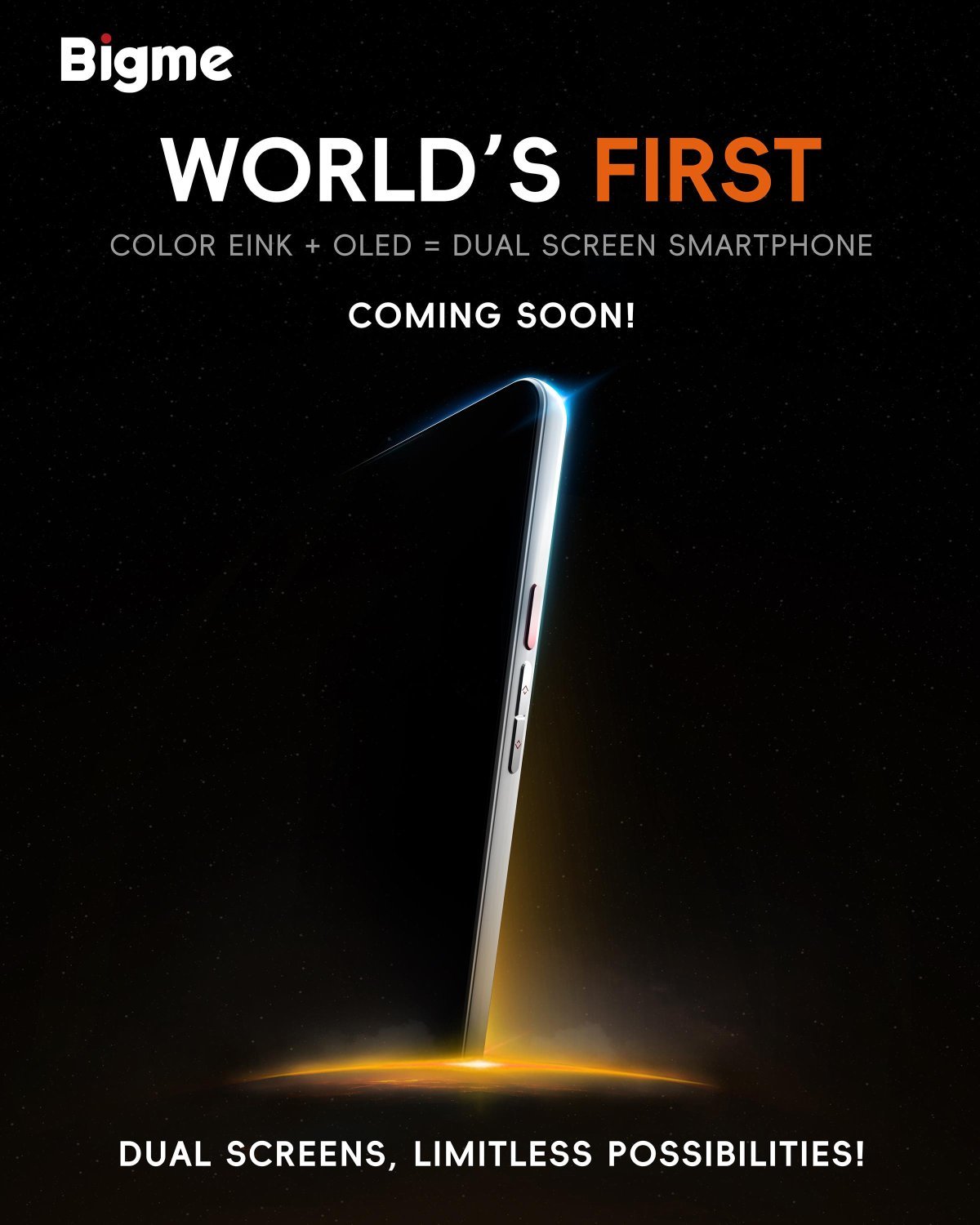
This dual-screen approach allows users to interact with a high-contrast, low-power E Ink display when they want a simpler, more focused experience, while still having access to a full-color LCD screen with higher refresh rates for more demanding tasks.
The concept of dual-screen phones isn't entirely new. Companies like YotaPhone and Hisense have previously experimented with dual-screen phones featuring greyscale E Ink displays on one side. However, Bigme's approach is notable because it's the first to incorporate color E Ink technology, which has only recently become available for consumer devices.
Bigme hasn't revealed many technical details about the HiBreak Dual yet. The company is engaging potential customers by asking them to guess specifications including the screen size, processor type, memory and storage capacity, and even which version of Android the phone will ship with. This marketing approach suggests the company is still finalizing the device's specifications.
The appeal of E Ink technology
E Ink displays offer several unique advantages that make them attractive for certain use cases. Unlike traditional LCD or OLED screens, E Ink displays don't require illumination to be visible. They can be viewed using only ambient light, which means no light is shining directly into the user's eyes. This creates a more paper-like reading experience that many users find easier on the eyes, especially during extended reading sessions.
The technology also boasts exceptional power efficiency. E Ink displays can maintain a static image indefinitely without consuming power, which is why they're commonly used for e-readers and digital signage. In practical terms, this means you could display a boarding pass or event ticket on the screen and it would remain visible even if the phone's battery died.
However, E Ink technology has traditionally come with significant limitations. The refresh rates are much lower than LCD or OLED displays, making them unsuitable for video playback, gaming, or smooth scrolling through content. Color E Ink displays, like the Kaleido 3 technology likely to be used in this phone, have additional constraints including a limited color palette of 4096 colors, lower pixel density for color content compared to black and white, and generally more muted, newspaper-like appearance.
The dual-screen solution
The Bigme HiBreak Dual aims to solve these limitations by providing both display technologies in a single device. Users can flip to the E Ink side for reading books, checking messages, or other tasks where the benefits of E Ink shine through. When they need richer colors, higher refresh rates for video or gaming, or smoother scrolling, they can simply flip the phone over to access the LCD display.
This approach is somewhat analogous to carrying both a Minimal Phone (designed for distraction-free use) and a high-end smartphone like a Google Pixel or Samsung Galaxy simultaneously, but without the inconvenience of carrying two separate devices.
Technical considerations
For this dual-screen approach to work effectively, Bigme will likely need to make some significant hardware choices. The company may need to include a more powerful processor, larger battery, and increased memory and storage compared to its E Ink-only smartphones to ensure smooth performance across both displays.
The software experience will also be crucial. Bigme will need to develop or adapt software that can intelligently manage which display is active, handle the transition between screens seamlessly, and optimize apps for both display types. This could be particularly challenging for third-party applications that weren't designed with dual-screen devices in mind.
Market context
The smartphone market has become increasingly homogeneous, with most devices featuring similar glass-and-metal designs with edge-to-edge displays. In this context, Bigme's dual-screen approach represents a notable departure from the norm. While it's unclear whether this specific implementation will find commercial success, it demonstrates the ongoing experimentation in mobile device design.
The timing is also interesting, as it comes at a moment when many consumers are reconsidering their relationship with technology and seeking devices that offer more intentional, less distracting experiences. The E Ink side of the HiBreak Dual could appeal to users looking to reduce screen time or create boundaries between different types of digital activities.
Looking ahead
As Bigme continues to develop the HiBreak Dual, several questions remain unanswered. How thick will the device be with two displays? What will the battery life be like when using both screens? How will the company price a device that likely costs more to manufacture than a standard smartphone?
Despite these uncertainties, the concept represents an intriguing solution to the limitations of E Ink technology while preserving its unique benefits. Whether it becomes a mainstream success or remains a niche product, it's a reminder that there's still room for innovation in the smartphone market beyond incremental improvements to existing designs.
For now, interested users will need to wait for more details from Bigme about the final specifications and pricing of the HiBreak Dual. The company's engagement campaign suggests they're still refining the product based on potential customer feedback, which could result in a more polished final product when it eventually launches.
Comments
Please log in or register to join the discussion