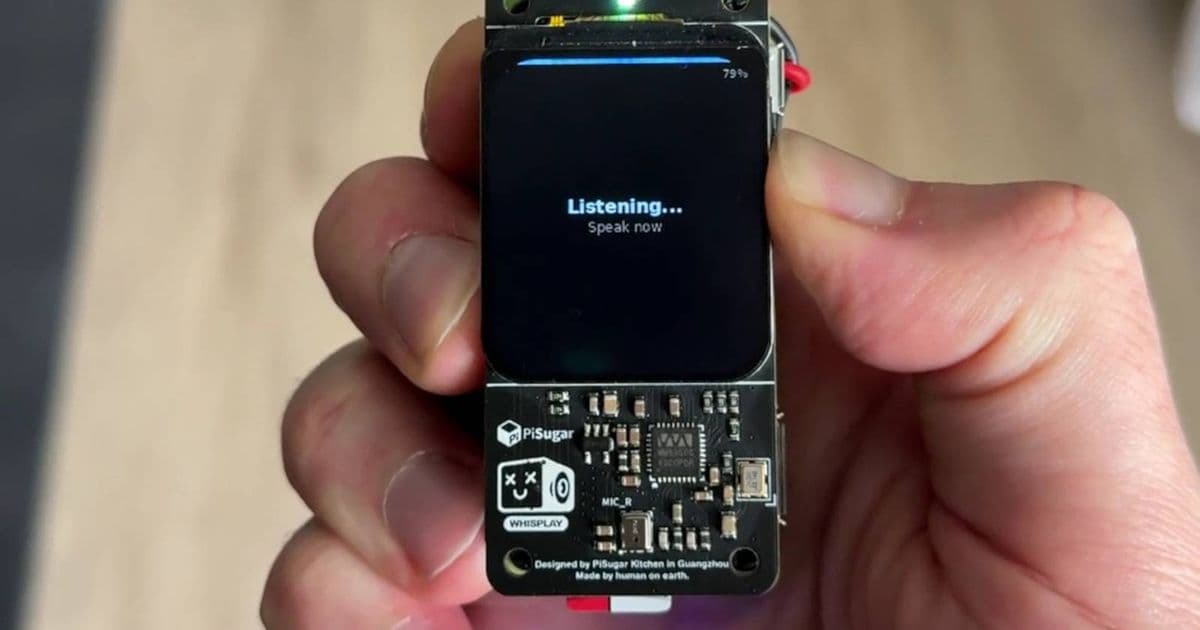
A developer created a voice-controlled personal assistant using Raspberry Pi Zero 2W hardware paired with OpenClaw's AI capabilities, demonstrating how low-power devices can serve as interfaces for cloud-based AI systems.
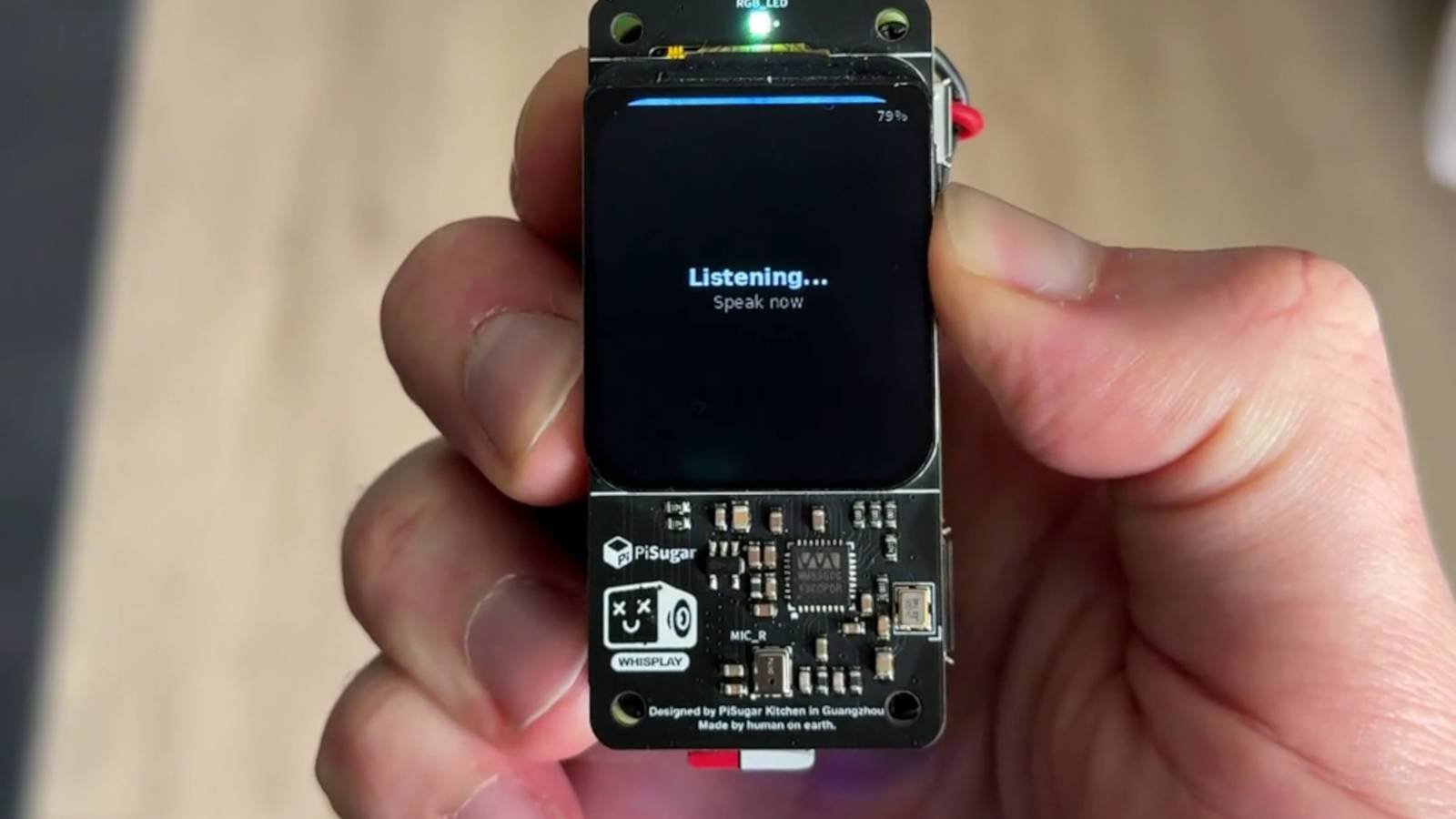
In an era where AI assistants are typically locked behind corporate ecosystems, a developer has demonstrated how accessible hardware like the Raspberry Pi Zero 2W can become the foundation for custom voice-controlled interfaces. This project bridges local hardware interaction with cloud-based AI processing, providing a blueprint for developers interested in creating personalized assistant devices.
Hardware Foundation
The core of this build centers around the Raspberry Pi Zero 2W, chosen for its balance of processing capability and ultra-low power consumption (typically under 0.5W during operation). The developer paired this with a PiSugar WhisPlay board that integrates physical controls and an optional PiSugar battery pack for portable operation. This combination creates a self-contained unit smaller than a deck of cards.
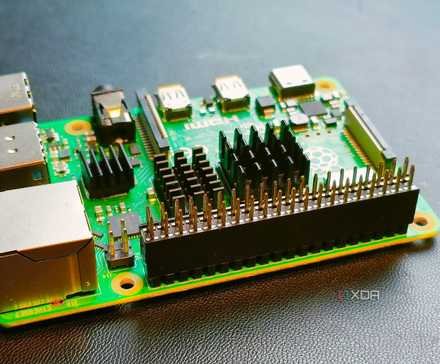 GPIO connectivity enables peripheral expansion
Technical Workflow
The system operates through a carefully orchestrated sequence:
- Audio Capture: When the physical button is pressed, the Pi Zero 2W uses ALSA (Advanced Linux Sound Architecture) to record 16-bit PCM audio at 16kHz sampling rate
- Cloud Processing: The recorded WAV file is transmitted to OpenAI's Whisper API for near-real-time transcription (approximately 700ms latency)
- Context Handling: The transcribed text, combined with conversation history, is routed to an OpenClaw gateway endpoint
- Response Generation: OpenClaw processes the query and streams text responses back character-by-character
- Output: Responses appear on the LCD display with pixel-perfect word wrapping, while optional text-to-speech conversion uses OpenAI's TTS API
Developer Implications
This architecture demonstrates several important principles for hardware-AI integration:
Computational Offloading: By handling only I/O operations locally (button input, audio capture, display rendering) and offloading AI processing to cloud services, the Pi Zero 2W's limited resources become sufficient. Developers could theoretically replace it with even lower-power devices like ESP32 microcontrollers or ePaper displays.
Modular Design: Each component (audio capture, transcription, AI processing, display) operates independently. This allows developers to:
- Swap OpenAI services for alternatives like Mozilla DeepSpeech or Coqui AI
- Replace OpenClaw with custom LLM endpoints
- Implement local speech recognition using Vosk for offline functionality
Power Optimization: The idle state displays clock, date, battery percentage, and WiFi status while consuming minimal power. The PiSugar battery extends operation to approximately 8 hours of intermittent use.
Practical Considerations
While the project showcases impressive integration, developers should note:
- API Costs: Continuous OpenAI usage incurs per-request fees
- Latency Constraints: Total response time averages 2-3 seconds (recording + transcription + processing + TTS)
- Privacy Implications: All audio is processed externally unless modified
- Hardware Limitations: The Pi Zero 2W's single-core CPU limits concurrent operations
Future Extensions
The creator suggests several enhancements:
- Adding wake-word detection to eliminate the physical button
- Implementing local LLMs via Ollama for private queries
- Integrating home automation controls through ESP32 modules
- Adding camera functionality for visual question answering
This project exemplifies how Raspberry Pi's accessibility enables experimentation at the intersection of hardware interfaces and cloud AI. As noted by the creator, the true value lies in the architectural pattern rather than specific components - a template that invites remixing with alternative AI services and low-power hardware.
Full implementation details are available in the project discussion thread on Reddit.
Comments
Please log in or register to join the discussion