
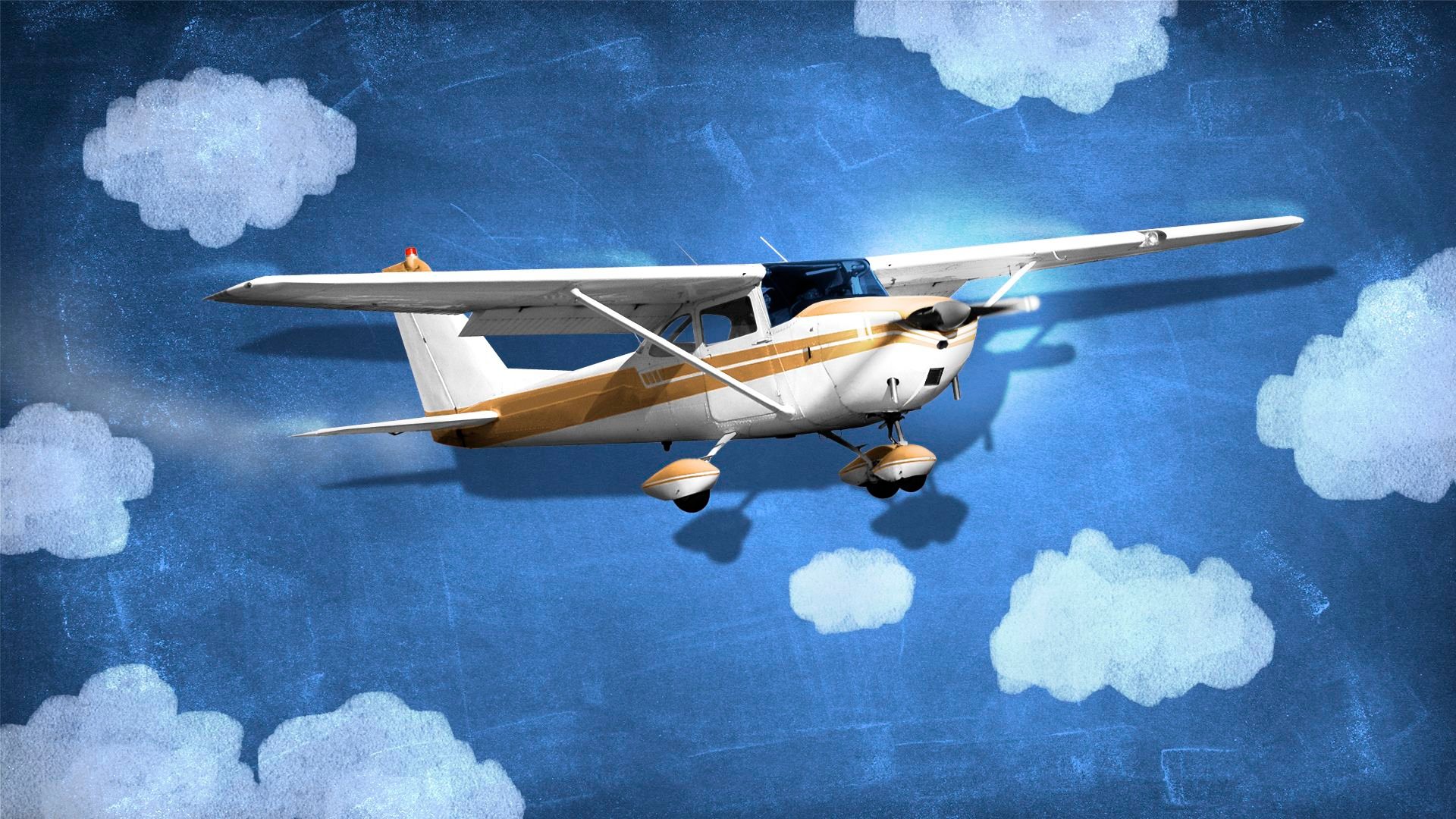
Learning to fly a small aircraft offers valuable business lessons in risk management, decision-making under pressure, and maintaining composure during challenging situations.
Learning to fly a small aircraft offers valuable business lessons in risk management, decision-making under pressure, and maintaining composure during challenging situations.
The Unexpected Business Classroom
When most people think about business education, they imagine boardrooms, spreadsheets, and strategy sessions. But there's an unconventional classroom that's teaching executives and entrepreneurs valuable lessons about leadership: the cockpit of a small aircraft.
Business aviation has long been associated with corporate success, but the act of learning to fly itself provides a unique training ground for developing critical business skills. The parallels between piloting an aircraft and running a business are striking and instructive.
Risk Assessment and Management
Every flight begins with a thorough pre-flight checklist. Pilots must assess weather conditions, fuel levels, aircraft maintenance status, and potential hazards. This systematic approach to risk evaluation mirrors the due diligence required before making major business decisions.
In business, as in aviation, the consequences of poor risk assessment can be severe. Companies that skip thorough analysis often find themselves in turbulent situations. The aviation industry's emphasis on safety protocols and contingency planning offers a model for businesses to emulate.
Decision-Making Under Pressure
The cockpit is an environment where decisions must be made quickly and with incomplete information. Weather changes, mechanical issues, or unexpected air traffic require pilots to think on their feet while maintaining safety as the top priority.
Business leaders face similar pressure-cooker situations. Market shifts, competitive threats, or operational crises demand rapid yet thoughtful responses. The training pilots receive in managing stress and making sound decisions under pressure translates directly to the business world.
Systems Thinking and Interdependence
Flying requires understanding how multiple systems work together: the engine, navigation instruments, communication systems, and aerodynamics. A problem in one area can cascade through the entire operation.
This systems thinking approach is crucial in business management. Leaders must understand how different departments, processes, and market forces interact. The holistic perspective gained from aviation training helps executives see beyond their immediate domain to understand broader organizational dynamics.
Communication and Crew Resource Management
Modern aviation emphasizes Crew Resource Management (CRM), which focuses on effective communication, teamwork, and shared decision-making. Even in single-pilot operations, the discipline of clear, concise communication is essential.
Business teams benefit from similar principles. Clear communication channels, defined roles, and collaborative problem-solving approaches improve organizational effectiveness. The aviation industry's focus on CRM has actually influenced corporate training programs worldwide.
The Cost of Complacency
Aviation safety records have improved dramatically over the decades, partly due to the industry's focus on combating complacency. Regular training, simulator sessions, and procedural reviews keep pilots sharp.
Businesses often fall into routine operations that can breed complacency. The aviation industry's continuous improvement culture offers lessons in maintaining vigilance and regularly challenging assumptions, even when things seem to be running smoothly.
Technology as an Enabler, Not a Replacement
Modern aircraft are equipped with sophisticated technology, but pilots are trained to never become overly reliant on automation. The ability to fly manually remains a core skill.
Similarly, business leaders must balance technological tools with fundamental business acumen. Technology should enhance decision-making, not replace critical thinking and human judgment.
Weathering the Storms
Every pilot learns to navigate through turbulence and adverse conditions. The ability to remain calm, follow procedures, and trust in training during challenging moments is perhaps the most valuable lesson aviation offers business leaders.
Market downturns, competitive pressures, and operational crises are the business equivalent of rough weather. The composure and systematic approach learned in the cockpit can help leaders navigate these challenges successfully.
The Investment in Training
Becoming a pilot requires significant time and financial investment. The same is true for developing strong business leadership skills. Both require commitment to continuous learning and improvement.
Companies that invest in leadership development, whether through traditional business education or unconventional methods like aviation training, often see returns in improved decision-making, risk management, and organizational resilience.
Beyond the Flight Plan
The lessons learned in aviation extend far beyond the technical skills of flying. The discipline, systematic thinking, and composure developed through flight training create better business leaders who can navigate complexity with confidence.
As businesses face increasingly complex challenges in a rapidly changing world, the grounded perspective that comes from learning to fly high offers a unique advantage. The sky may be the limit, but the lessons learned along the way keep businesses firmly grounded in sound principles and practices.
Comments
Please log in or register to join the discussion