JAXA identifies manufacturing flaw in adhesive as cause of H3 rocket failure, highlighting the critical importance of precision in space engineering.
Japan's space exploration agency (JAXA) has identified a manufacturing flaw involving adhesive as the cause of the December 2025 failure of its H3 rocket launch, which resulted in the loss of a navigation satellite. The incident serves as a stark reminder of how even seemingly minor manufacturing variations can have catastrophic consequences in space missions.
The Root Cause: Temperature-Sensitive Adhesive
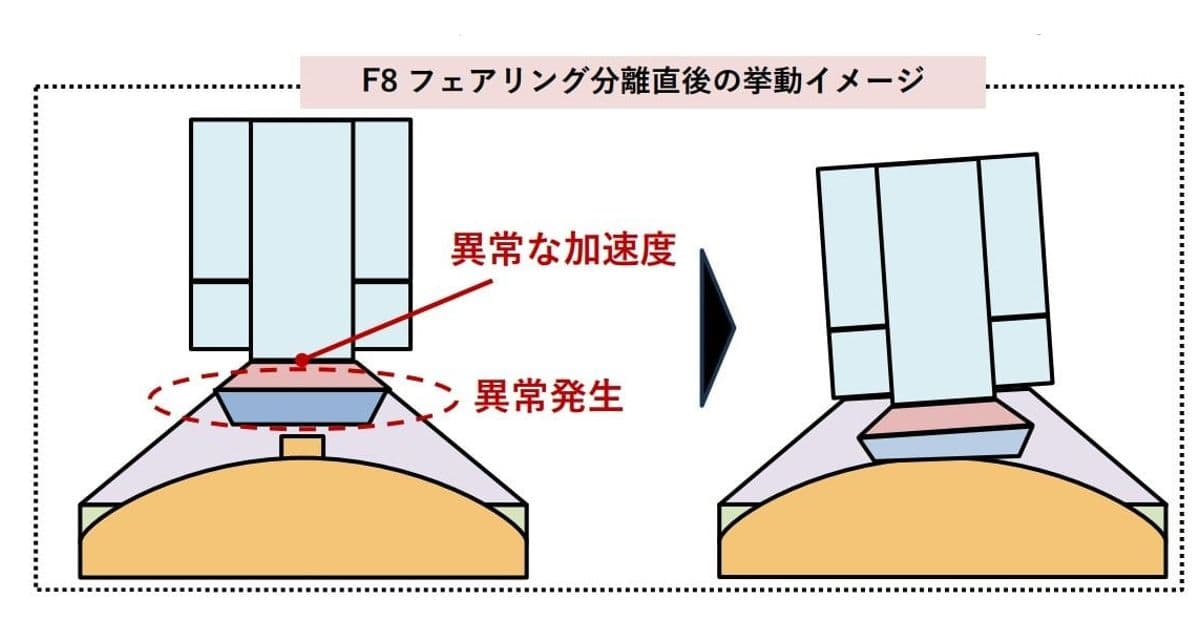
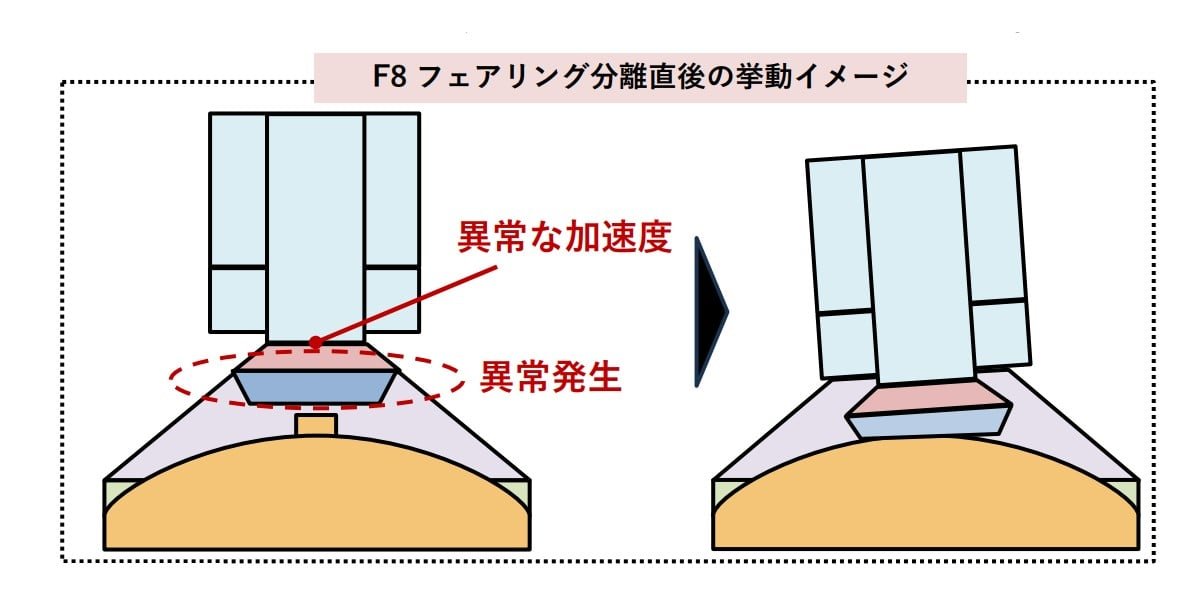
The investigation revealed that the failure stemmed from a component designed to hold the satellite payload in place. During manufacturing, temperatures exceeded expected levels, which weakened the adhesive used to connect layers of the component. This temperature variation, though small, proved critical when the rocket reached its operational phase.
When the H3's fairing opened during flight, the weakened adhesive caused the component to delaminate. This delamination meant the component could no longer properly support the weight of the satellite, allowing it to move in unexpected ways. The movement ultimately broke a fuel pipe to the second stage, explaining why ignition occurred later than planned and why the mission had to be aborted.
Why This Failure Occurred
JAXA's analysis suggests the problem only became apparent on this particular mission because the payload was unusually heavy. The increased weight placed additional stress on the compromised component, making the manufacturing defect critical at a crucial moment. This highlights how different mission profiles can expose latent design or manufacturing issues that might not manifest under other conditions.
The space agency has committed to revisiting its manufacturing processes and potentially redesigning the H3 rocket to prevent similar failures in the future. This approach demonstrates the iterative nature of space engineering, where each failure provides valuable lessons for improving future missions.
The H3 Rocket Program
The H3 is Japan's next-generation medium-capacity launcher, designed to become a mainstay of both commercial launch services and scientific missions. JAXA has ambitious plans for the rocket, hoping it will help establish Japan as a competitive player in the global launch market while supporting the nation's scientific exploration goals.
Despite this setback, JAXA has an impressive track record in space exploration. The agency has successfully returned samples from two asteroids and conducted numerous missions to the International Space Station. These achievements demonstrate JAXA's technical capabilities, even as the organization works to address the challenges revealed by the H3 failure.
The Complexity of Space Engineering
This incident serves as a powerful reminder of the incredibly complex engineering required for space missions. The analysis of the failure involved examining numerous sources of telemetry data produced by the rocket, with investigators identifying tiny momentary anomalies that provided evidence for their theory about the adhesive issues.
Space missions operate at the extreme edge of engineering capability, where every component must function perfectly under conditions that push materials and systems to their limits. The margin for error is vanishingly small, and even microscopic flaws can cascade into mission-ending failures.
Lessons for the Space Industry
The H3 failure offers several important lessons for the broader space industry:
Manufacturing Process Control: The incident underscores the critical importance of maintaining precise control over manufacturing conditions, particularly when dealing with materials that can be sensitive to temperature variations.
Component Testing Under Realistic Conditions: The failure suggests that testing components under conditions that accurately reflect their operational environment is essential, especially when dealing with heavy payloads that may stress systems beyond typical parameters.
Telemetry and Failure Analysis: The detailed telemetry analysis that led to identifying the root cause demonstrates the value of comprehensive data collection and sophisticated analysis capabilities in modern space missions.
Iterative Design Philosophy: JAXA's commitment to revisiting manufacturing processes and potentially redesigning components reflects the iterative approach necessary in space engineering, where each failure provides opportunities for improvement.
Looking Forward
As JAXA works to address the issues identified in this failure, the space industry will be watching closely. The H3 rocket represents an important step for Japan's space ambitions, and how the agency responds to this setback will be crucial for its future success.
The incident also serves as a reminder to all space-faring nations and commercial entities that space exploration remains one of humanity's most challenging engineering endeavors. Success requires not just technical excellence but also the humility to learn from failures and the persistence to continue pushing the boundaries of what's possible.
For more detailed technical information, JAXA's full report on the incident is available as a PDF document from the agency's website.
Comments
Please log in or register to join the discussion