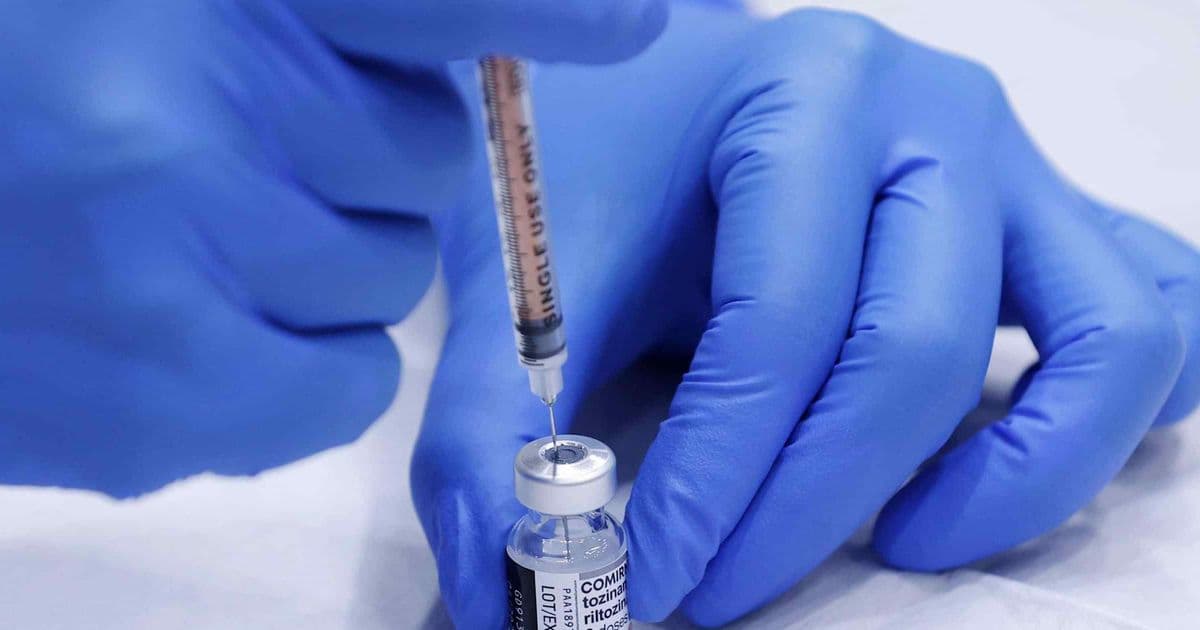
Japan's healthcare sector faces uncertainty as naphtha imports from the Middle East waver after recent geopolitical tensions, while the United States ramps up exports to fill the gap. Prime Minister Sanae Takaichi pledges diversification, but market analysts warn of short‑term price spikes and potential disruptions to medical‑grade plastics.
Business news
Japan’s Prime Minister Sanae Takaichi has been fielding intense questions about the country’s naphtha supply chain since the U.S.–Israeli strikes on Iran on 28 February 2026. Naphtha, a light petroleum fraction, is a core feedstock for the production of medical‑grade plastics used in gloves, catheters and blood‑tubing. The government has announced a plan to increase imports from non‑Middle‑East sources, notably the United States, which has lifted its export quota by 15 % this quarter.
Market context
- Global naphtha balance: In 2025, world naphtha production stood at roughly 120 million tons, with the Middle East contributing 45 % and North America 30 %. After the February strikes, Iranian output fell by an estimated 8 %, creating a shortfall of about 1.5 million tons.
- U.S. export surge: The Energy Information Administration reported that U.S. naphtha exports rose from 2.1 million tons in Q3 2025 to 2.4 million tons in Q1 2026, driven by higher refinery runs and the reopening of Gulf Coast terminals.
- Japanese demand: The Japanese petrochemical sector consumes roughly 2.2 million tons of naphtha annually, with 60 % earmarked for medical‑grade polymers. Domestic refiners have limited spare capacity, making imports critical.
- Price reaction: Spot naphtha prices in Tokyo jumped from ¥1,150 per barrel in January to ¥1,380 in March, a 20 % increase, before easing to ¥1,300 after the U.S. export announcement.
What it means
- Short‑term cost pressure on hospitals – The price rise translates to an estimated ¥300 million increase in annual procurement costs for the top ten Japanese hospital groups, potentially raising the price of disposable supplies for patients.
- Supply‑chain diversification – Takaichi’s push to secure U.S. cargoes and explore shipments from Australia and Uzbekistan reduces reliance on a single region, but logistical lead times from the Pacific are 2‑3 weeks longer than from the Middle East, affecting just‑in‑time manufacturing.
- Strategic stockpiling – The Ministry of Health, Labour and Welfare has announced a voluntary stockpile of 150,000 tons of naphtha‑derived polymers, enough to cover roughly 18 months of domestic demand if imports falter.
- Impact on domestic refiners – Japanese refiners such as Idemitsu Kosan may accelerate the conversion of existing crude runs into naphtha, but capacity constraints could limit the shift to under 5 % of total output.
- Long‑term market outlook – Analysts at Nomura project that, assuming the geopolitical situation stabilises, Japan’s naphtha imports will revert to a 2024‑level mix by 2027, with U.S. supplies accounting for 12‑15 % of total imports.
Overall, while the United States is stepping in to cushion the immediate supply shock, Japan’s medical‑device manufacturers must brace for higher input costs and possible delivery delays until the broader geopolitical environment settles.
Comments
Please log in or register to join the discussion