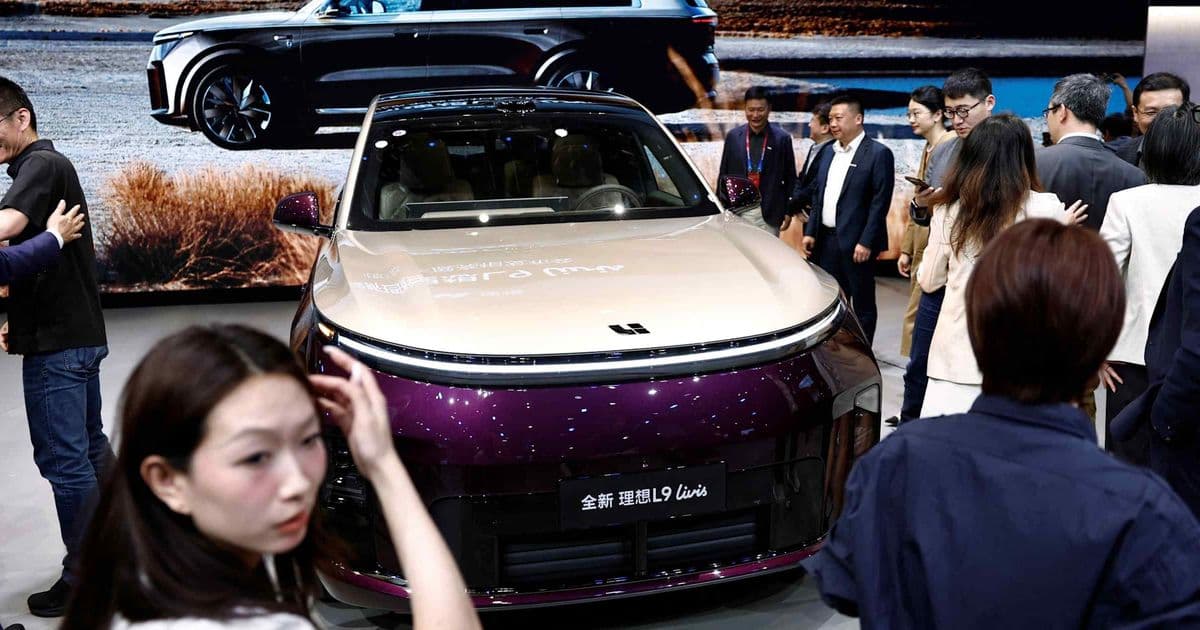
Li Auto reported a $340 million net loss for Q1 2026, its first quarterly deficit since going public. The loss reflects a sharp margin squeeze from intense price competition in China’s EV market, prompting the company to accelerate export plans and diversify its revenue base.
Business news
Li Auto (NASDAQ: LI) announced a net loss of $340 million for the first quarter of 2026, compared with a profit of $72 million a year earlier. Revenue slipped 8 % to ¥112 billion (≈$16.5 billion), while gross margin fell to 9.3 %, down from 13.5 % in Q4 2025. The company’s flagship L9 SUV saw deliveries of 48,200 units, a 12 % decline YoY, as price cuts eroded profitability.
Market context
China’s EV market remains in a price war sparked by BYD’s aggressive discounting and the phase‑out of government subsidies. Overall passenger‑EV sales in China fell 4 % YoY in Q1, according to the China Association of Automobile Manufacturers, while average selling prices dropped 6 % year‑over‑year. Competitors such as Nio and Xpeng reported similar margin pressures, with Nio’s Q1 gross margin slipping to 8.7 %.
Li Auto’s cost structure is heavily weighted toward battery procurement and R&D for its extended‑range technology. The company’s average battery cost per kWh rose to ¥1,200 in the quarter, outpacing the industry average of ¥1,050, adding further strain to margins.
What it means
The loss underscores the limits of a domestic‑only growth model in a market where price competition is pushing margins into single‑digit territory. Li Auto’s management has signaled a strategic pivot:
- Export acceleration – The firm plans to ship at least 30,000 units to Europe and Southeast Asia by the end of 2026, targeting markets with higher average selling prices and less intense discounting.
- Product diversification – A mid‑size crossover, the L7, is slated for launch in Q3 2026 with a lower price point but higher profit margin due to a simplified battery pack.
- Cost‑reduction initiatives – Li Auto is negotiating long‑term supply contracts with CATL to lock in battery prices and is consolidating its R&D centers to cut overhead by an estimated 5 %.
Analysts at Citi revised Li Auto’s 2026 earnings outlook down by 15 %, citing the margin squeeze and the uncertainty of export execution. However, the company’s cash balance of ¥45 billion provides a buffer to fund the export push and the upcoming L7 rollout.
If Li Auto can successfully capture export demand and improve its cost base, the loss could be a temporary setback that positions the firm for a more balanced, globally diversified revenue stream. Failure to gain traction abroad would likely keep the company in a defensive stance, relying on further price cuts that could erode profitability further.
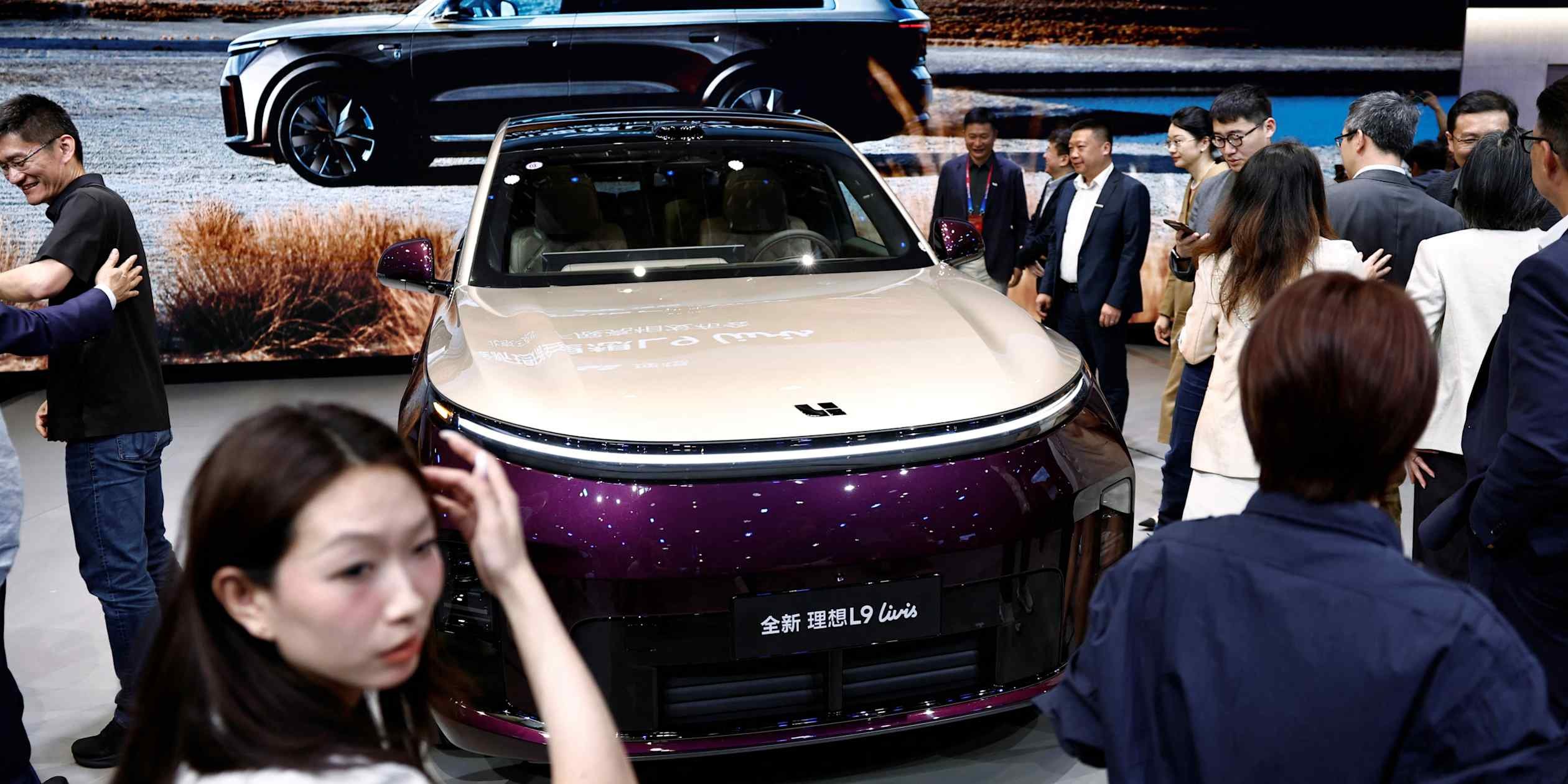
The L9 displayed at the Beijing Auto Show illustrates Li Auto’s premium positioning, a factor the company hopes to leverage in overseas markets.
Comments
Please log in or register to join the discussion