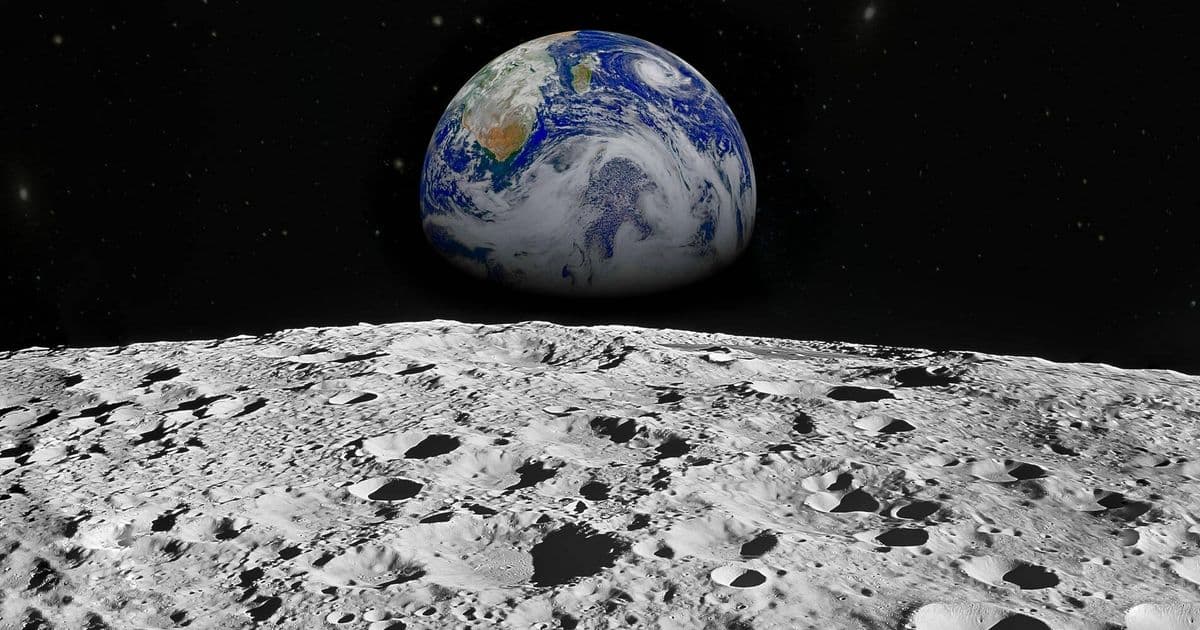
Chinese researchers have identified four potential landing sites for the nation's first crewed Moon mission, setting the stage for a renewed space race with the US.
China is accelerating its lunar ambitions, with researchers from the China University of Geosciences in Wuhan identifying four potential landing sites for the nation's first crewed mission to the Moon, scheduled to take place before 2030.
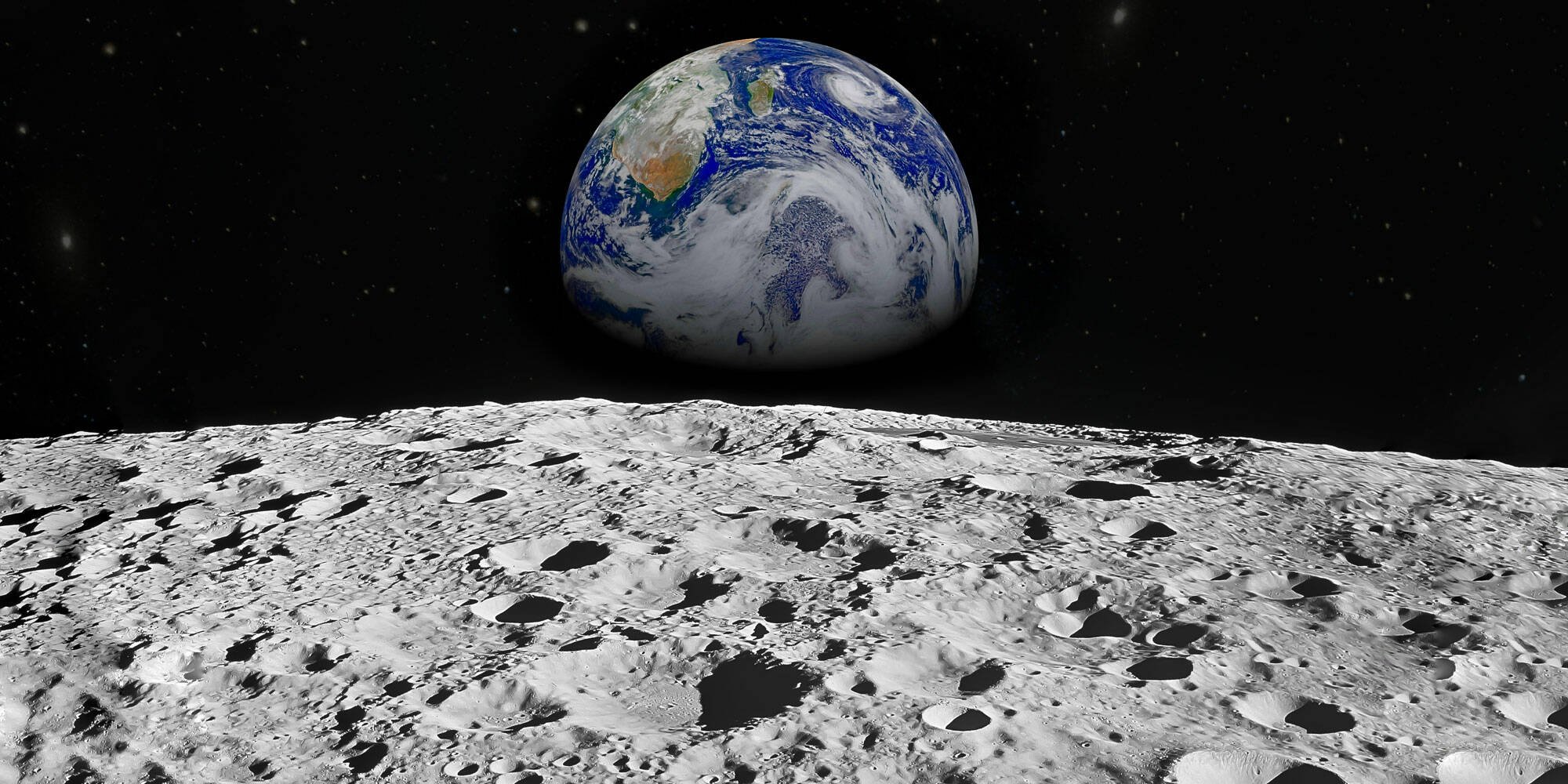
The team has focused on the Rimae Bode region, located near the middle of the Moon's near side just above the equator. This area offers several compelling advantages for a crewed landing. According to the researchers, the region provides access to diverse geological materials including volcanic debris, mare basalts (iron-rich igneous rocks), and high-thorium terrains containing rare-Earth metals.
What makes this location particularly interesting to scientists is its varied terrain and the range of materials on the surface. The age range of these materials could provide valuable insights into how the Moon's surface and interior have evolved over time. From a practical standpoint, the area is relatively flat and directly visible from Earth, making it an ideal candidate for the historic landing.
The researchers examined the region's channels and impact craters to determine that multiple volcanic events likely occurred at different times in this area. This geological diversity means astronauts could collect samples that span a significant portion of lunar history.
This development comes as China's space program continues to make rapid progress. The nation has already successfully tested its lunar lander's landing and take-off capabilities, and plans to visit Earth's "quasi-moon" to bring back samples. Some experts, including former NASA chief, believe China could land humans on the Moon before the United States manages to return.
The timing is particularly significant given NASA's recent reorganization of its Artemis program. The US space agency has moved its first crewed lunar landing in more than half a century to Artemis IV, now scheduled for 2028. Artemis III, originally planned as the first crewed landing, has been repurposed to test systems and operations in low Earth orbit, including docking and integrated checkout with a commercial lunar lander.
This shift follows recommendations from NASA's Aerospace Safety Advisory Panel, which warned that Artemis III was attempting to accomplish too much simultaneously. The panel's findings have prompted NASA to adopt a more measured approach to its return to the Moon.
The competition between China and the United States represents a new chapter in space exploration. While the Cold War space race between the US and Soviet Union captured global attention, this modern rivalry involves two economic superpowers with vastly different approaches to space exploration. China's space program operates as a national initiative under the Chinese government, while NASA collaborates with commercial partners and international allies through the Artemis Accords.
For scientists and space enthusiasts, the prospect of two nations landing humans on the Moon within years of each other promises an exciting era of discovery. The geological samples collected from different landing sites could help answer fundamental questions about the Moon's formation and evolution, potentially shedding light on the early history of Earth itself.
As both nations push forward with their lunar ambitions, the focus remains on scientific discovery, technological advancement, and the prestige that comes with achieving what was once thought impossible. The Moon, once a distant dream, is now the target of an international competition that could define the next decade of space exploration.
Comments
Please log in or register to join the discussion