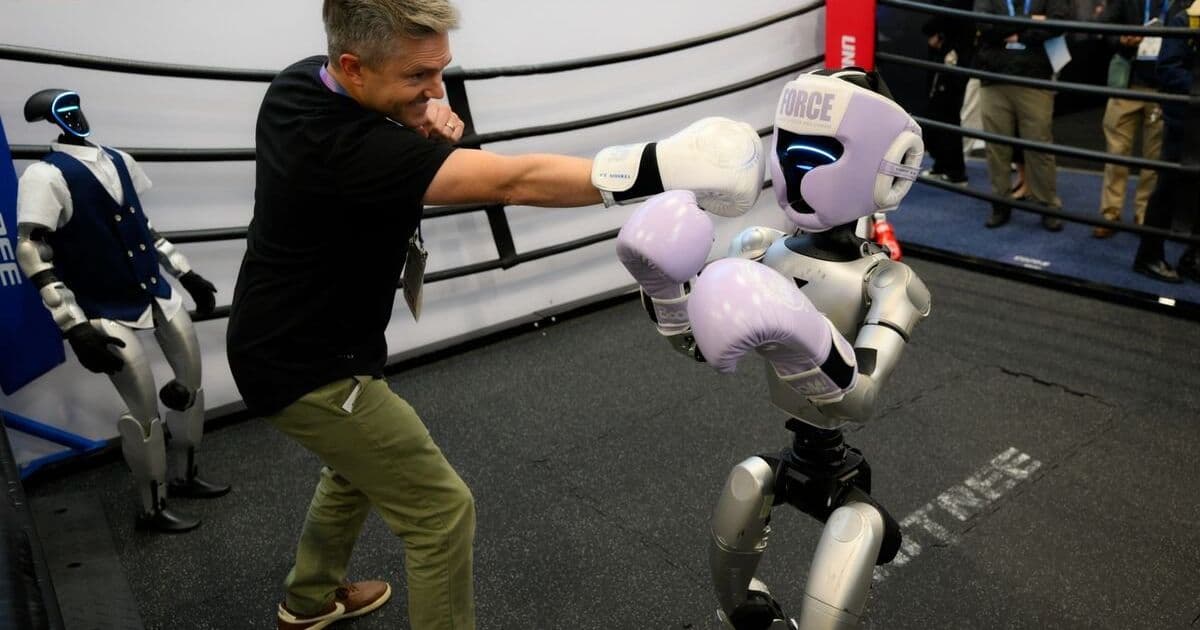
Chinese humanoid robotics companies showcased impressive choreographed demonstrations at CES 2026, but significant technical and practical barriers remain before real-world deployment becomes feasible.
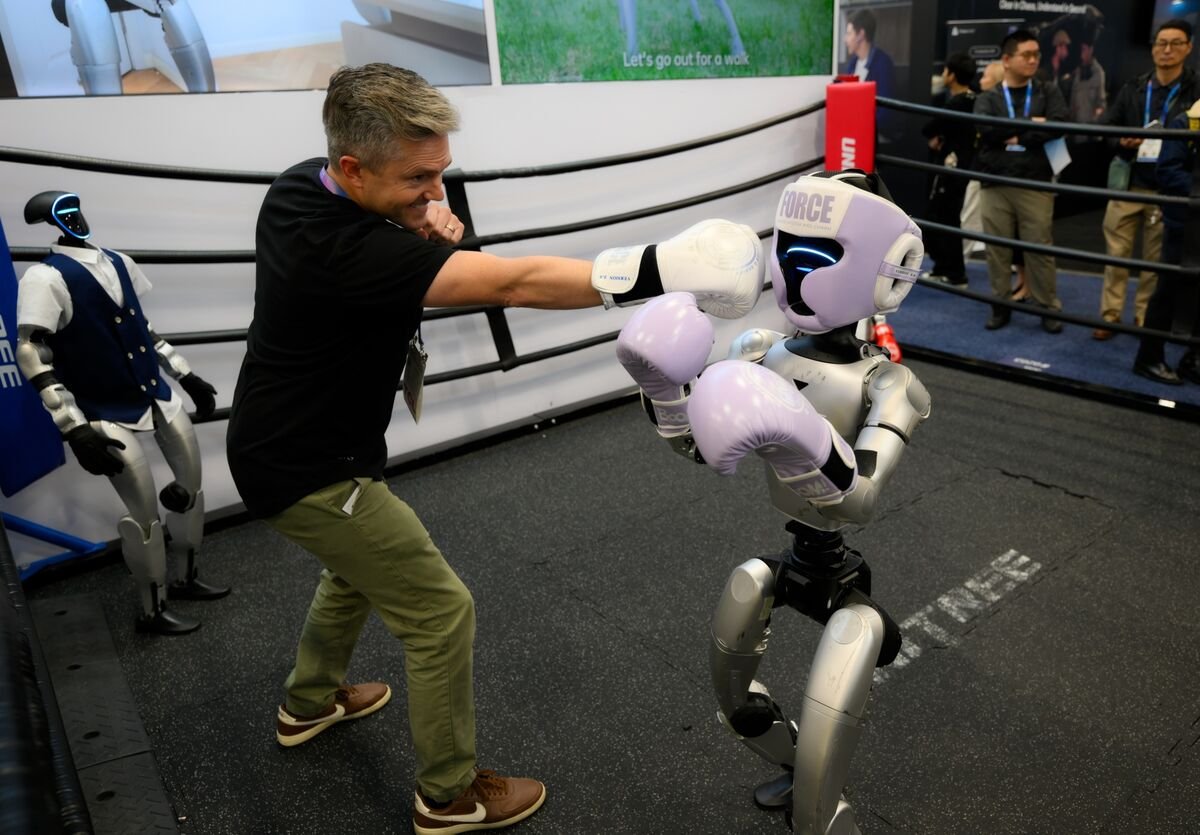
The 2026 Consumer Electronics Show became a showcase for China's robotics ambitions, with companies like Unitree, Fourier Intelligence, and UBTech drawing crowds with elaborate humanoid performances. Robots demonstrated backflips, object manipulation, and synchronized dances that highlighted advances in balance, motor control, and responsive movement. These displays positioned China as a leader in humanoid robotics development, with companies leveraging government support and manufacturing ecosystems to accelerate progress.
However, Bloomberg's Saritha Rai reports a stark disconnect between these staged demonstrations and practical application. Behind the showmanship, engineers acknowledged limitations in power systems, situational awareness, and cost that prevent real-world deployment. The robots' average battery life remains under 4 hours, insufficient for industrial shifts. Their perception systems struggle with unstructured environments—unlike the controlled CES stages—and production costs exceed $150,000 per unit, making widespread adoption economically unviable.
Industry analysts from Constellation Research note that Chinese companies prioritize demonstration-ready features over functional reliability. While robots can execute pre-programmed sequences flawlessly, they lack the AI-driven adaptability needed for dynamic scenarios like warehouse navigation or emergency response. This gap mirrors earlier industrial robotics challenges where initial prototypes took years to transition to practical use cases.
Counterbalancing the optimism, some Western robotics firms argue that focusing on choreographed displays distracts from fundamental engineering hurdles. Boston Dynamics CEO Robert Playter observed: 'Dancing robots capture attention, but real value comes from machines that reliably perform dirty, dangerous jobs.' Chinese manufacturers counter that their rapid iteration cycle—evidenced by Unitree's three generations of bipedal robots in 18 months—will accelerate problem-solving.
For now, the divide between spectacle and utility persists. As CES 2026 concludes, the robotics field watches whether China's demonstration-driven approach can overcome core technical constraints or if practical deployment will require fundamentally different design philosophies. Bloomberg's full analysis details the specific challenges facing these systems.
Comments
Please log in or register to join the discussion