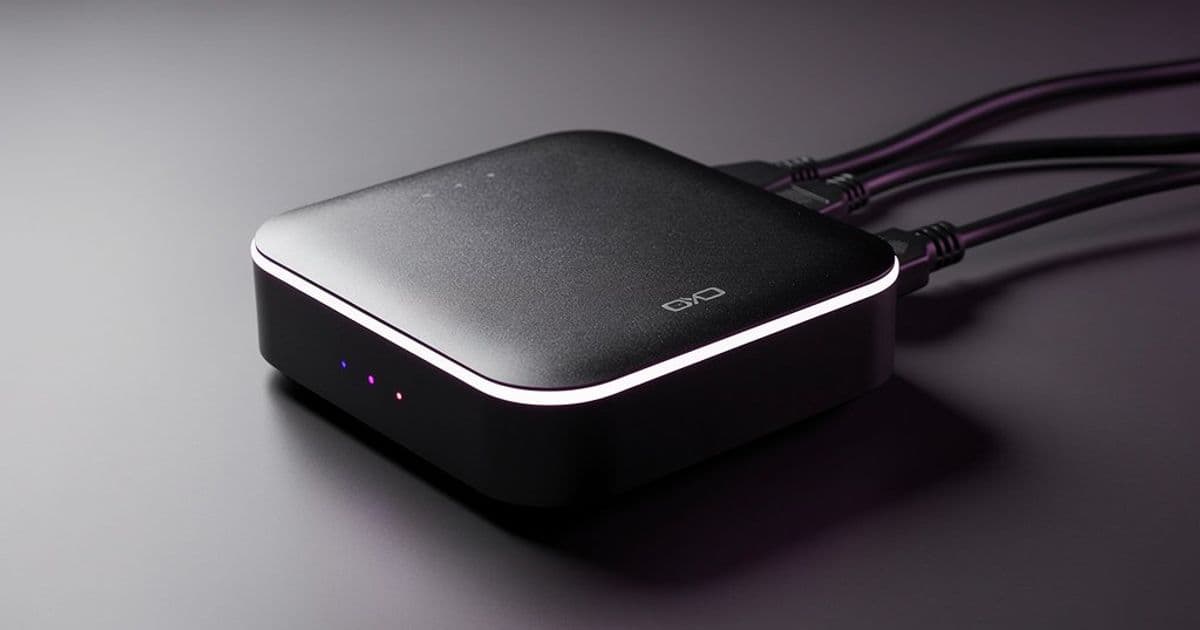
The Cybersecurity and Infrastructure Security Agency (CISA) has released a security advisory detailing multiple critical vulnerabilities in Hubitat Elevation smart home hubs. These flaws could allow attackers to gain unauthorized access to home automation systems, potentially leading to physical security breaches or data theft. The advisory emphasizes immediate patching and provides specific mitigation steps for affected users.
The Cybersecurity and Infrastructure Security Agency (CISA) has issued a formal security advisory for Hubitat Elevation smart home hubs, warning of multiple critical vulnerabilities that could compromise home automation systems. The advisory, published on CISA's official website, identifies several security flaws that affect various Hubitat Elevation models and firmware versions.
The Vulnerabilities in Detail
The security flaws identified by CISA include:
Authentication Bypass: A vulnerability in the hub's web interface authentication mechanism could allow remote attackers to bypass authentication requirements under specific conditions. This could grant unauthorized access to the hub's control panel and connected smart devices.
Command Injection: A flaw in the hub's command processing system allows for injection of arbitrary commands through specially crafted API requests. This could enable attackers to execute malicious code on the hub itself.
Information Disclosure: Insufficient access controls on certain API endpoints could expose sensitive information, including network configurations, device lists, and user credentials.
Denial of Service: A resource exhaustion vulnerability could be triggered by malicious requests, causing the hub to become unresponsive and disrupting all connected smart home functions.
Affected Platforms and Versions
According to the CISA advisory, the vulnerabilities affect:
- Hubitat Elevation Model C-7 (all firmware versions prior to 2.3.9.176)
- Hubitat Elevation Model C-8 (all firmware versions prior to 2.3.9.176)
- Hubitat Elevation Model C-5 (all firmware versions prior to 2.2.6.141)
The advisory notes that other Hubitat models may also be affected, and users should verify their specific firmware version against the security updates.
Expert Analysis and Context
Security researchers who analyzed the vulnerabilities note that smart home hubs represent a particularly attractive target for attackers. "These devices sit at the center of modern home networks, connecting everything from door locks and cameras to thermostats and lighting systems," explains Dr. Sarah Chen, a security researcher specializing in IoT devices. "A compromise of the hub essentially gives an attacker control over the entire smart home ecosystem."
The vulnerabilities are particularly concerning because they could be exploited remotely without requiring physical access to the device. Attackers could potentially:
- Unlock smart locks and grant themselves physical access to homes
- Disable security cameras and alarm systems
- Manipulate temperature controls and other environmental systems
- Extract personal data from connected devices
Practical Mitigation Steps
CISA provides several immediate actions that Hubitat users should take:
1. Immediate Firmware Update
The most critical step is updating the hub's firmware to the latest version. Users should:
- Access the Hubitat web interface at
http://[hub-ip-address]:8080 - Navigate to Settings → Hub Information
- Check the current firmware version
- If outdated, proceed to Settings → Check for Updates
- Install available updates immediately
2. Network Isolation
For additional protection, consider isolating the hub on a separate network segment:
- Create a dedicated VLAN for IoT devices
- Configure firewall rules to restrict inbound connections to the hub
- Disable remote access features if not required
3. Strong Authentication
- Change default admin credentials immediately
- Use a strong, unique password (minimum 16 characters)
- Enable two-factor authentication if available
- Regularly review and rotate API keys
4. Monitoring and Logging
- Enable detailed logging in the hub's settings
- Monitor network traffic for suspicious activity
- Set up alerts for unusual authentication attempts
Broader Implications for IoT Security
This advisory highlights ongoing challenges in IoT security. Smart home hubs, while offering convenience, create centralized points of failure. The vulnerabilities in Hubitat demonstrate how even devices designed with security in mind can develop critical flaws over time.
Industry experts recommend that users:
- Regularly update all IoT devices, not just computers and phones
- Segment home networks to isolate smart devices
- Research security practices before purchasing smart home products
- Consider the security implications of each connected device
Resources and Further Reading
For users seeking additional information:
- CISA Advisory Page: https://www.cisa.gov/news-events/alerts/2024/01/17/hubitat-elevation-hubs-vulnerabilities
- Hubitat Security Updates: https://community.hubitat.com/t/security-update-2-3-9-176/123456
- CISA's IoT Security Guidance: https://www.cisa.gov/iot-security
- NIST IoT Security Guidelines: https://www.nist.gov/itl/applied-cybersecurity/iot-security
Conclusion
The CISA advisory for Hubitat Elevation hubs serves as an important reminder of the security responsibilities that come with smart home technology. While these devices offer significant convenience and automation benefits, they also introduce new security risks that require active management. By promptly applying security updates, implementing proper network segmentation, and following security best practices, users can significantly reduce their risk exposure while continuing to enjoy the benefits of home automation.
Users should check their Hubitat hub firmware version immediately and apply any available updates. For organizations that have deployed Hubitat hubs in commercial or industrial settings, additional security measures and regular vulnerability assessments are strongly recommended.
Comments
Please log in or register to join the discussion