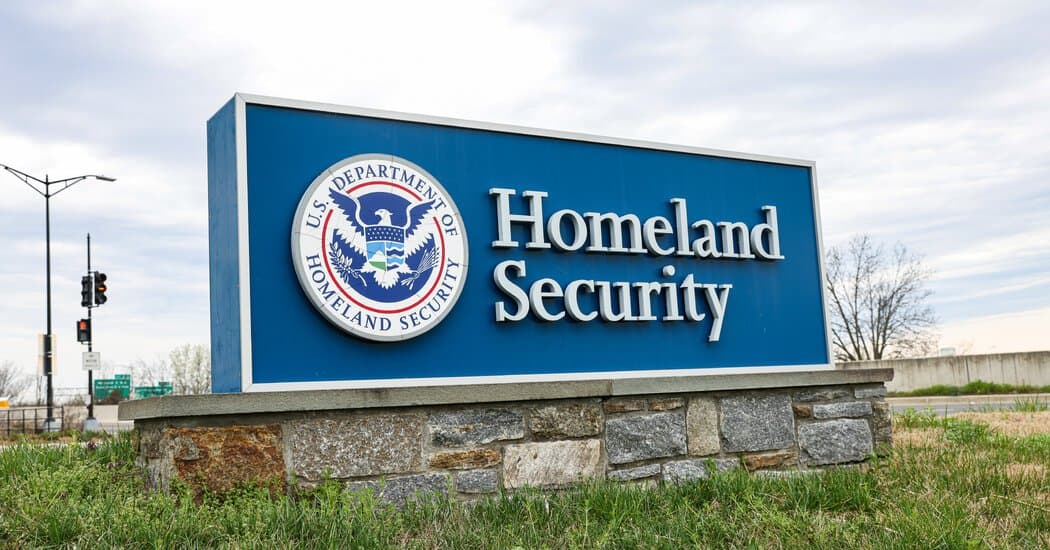
The Cybersecurity and Infrastructure Security Agency operates without Senate-confirmed leadership while facing staffing cuts and plummeting morale, raising concerns about national cyber readiness during a period of escalating threats.
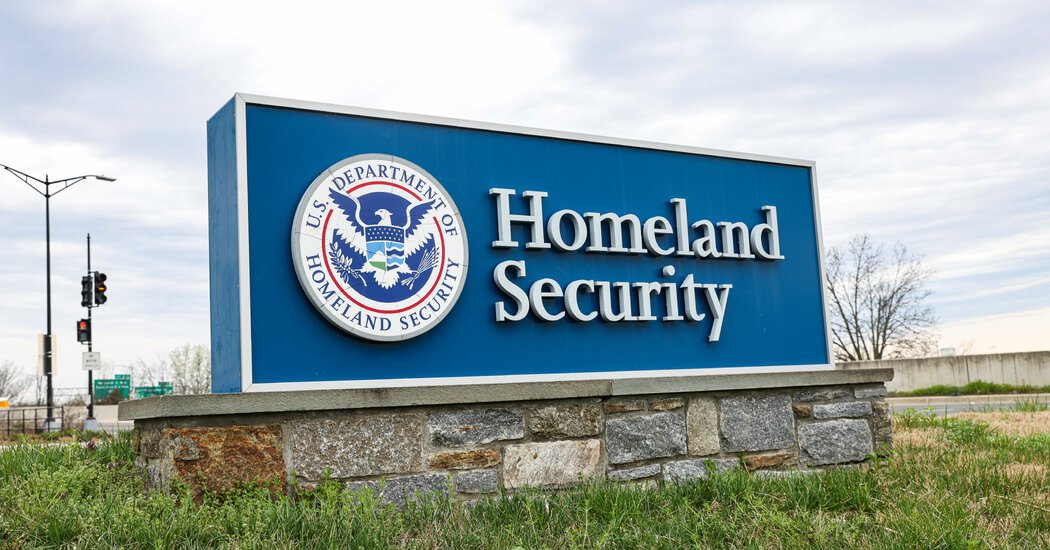
For the past 14 months, the U.S. Cybersecurity and Infrastructure Security Agency (CISA) has operated without a Senate-confirmed director. This leadership vacuum coincides with mandated staffing reductions and declining employee morale, creating what current and former officials describe as a critical vulnerability in America's cyber defense infrastructure during President Trump's second term. The agency responsible for protecting federal networks and critical infrastructure—from power grids to election systems—now faces these challenges amid increasingly sophisticated ransomware attacks and state-sponsored cyber operations targeting Western institutions.
According to internal documents and interviews with agency personnel detailed in the New York Times report, CISA's workforce has shrunk by approximately 9% since mid-2025 due to congressionally mandated budget cuts. These reductions primarily affected technical teams specializing in threat hunting and vulnerability assessment. Simultaneously, the absence of permanent leadership has stalled long-term strategic initiatives, including the rollout of automated threat-sharing platforms with energy sector partners and modernization of the National Cybersecurity Protection System (NCPS), commonly known as EINSTEIN.
The leadership gap stems from the Trump administration's decision not to renominate former Director Jen Easterly, whose term expired in December 2024. Since then, Deputy Director Nitin Natarajan has served as acting director—a position lacking the authority to make permanent budgetary decisions or represent the agency in National Security Council deliberations. This limbo state has tangible operational consequences: procurement decisions for next-generation intrusion detection systems remain pending, and interagency collaboration on election security has reverted to ad-hoc coordination rather than structured protocols.
Compounding these issues is a documented decline in workforce morale. Internal CISA surveys from Q4 2025 show employee confidence in agency leadership dropped to 42%, down from 68% a year prior. Field operatives report frustration with reactive rather than proactive mission assignments, noting that reduced staffing forces teams to prioritize incident response over preventive measures. One cloud security specialist described reviewing outdated vulnerability scans for federal cloud deployments because newer assessment tools haven't been approved under interim leadership.
Critical infrastructure partners confirm operational impacts. A regional director for the North American Electric Reliability Corporation (NERC) noted a 30% increase in response times for joint threat analysis requests since mid-2025. HELLO Labs, a CISA-funded program providing cybersecurity support to rural hospitals, temporarily paused vulnerability scanning services last month due to staffing shortages.
Despite these challenges, CISA continues core operations. The agency's Joint Cyber Defense Collaborative (JCDC) maintained ransomware advisories throughout 2025, and its Continuous Diagnostics and Mitigation (CDM) program still provides tools to federal agencies. However, cybersecurity analysts outside government observe concerning gaps. Recorded Future's latest threat landscape report notes decreased CISA participation in international cybercrime takedown operations, while Mandiant's APT analysis shows slower attribution of state-sponsored attacks traditionally led by CISA's threat intelligence division.
The situation highlights structural vulnerabilities in federal cybersecurity governance. Unlike cabinet agencies where deputy secretaries routinely assume acting leadership, CISA's enabling legislation requires Senate confirmation for its director position. This creates operational paralysis during prolonged vacancies—a risk that grows as cyber threats accelerate. With no nomination forthcoming and midterm budget negotiations unlikely to reverse staffing cuts, CISA's capacity to fulfill its mission of defending against increasingly sophisticated cyber threats remains under unprecedented strain.
Comments
Please log in or register to join the discussion