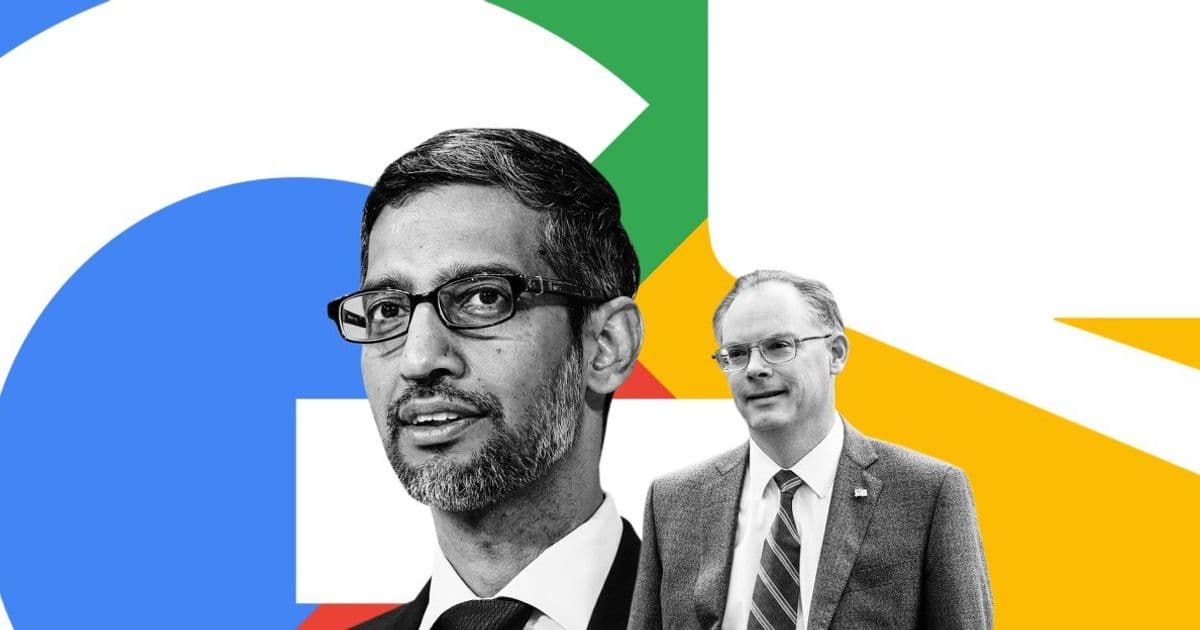
During ongoing antitrust proceedings, a federal court disclosed a previously confidential agreement where Epic Games committed to spending $800 million over six years on Google services related to Unreal Engine, Fortnite, and Android integrations.

A previously undisclosed financial arrangement between Epic Games and Google surfaced during a federal court hearing in San Francisco this week, revealing Epic committed to spending approximately $800 million on Google services over a six-year period. The deal specifically involved integration work around Unreal Engine, Fortnite, and Android platforms, according to testimony in the ongoing Epic v. Google antitrust case.
The disclosure came unexpectedly during proceedings examining Google's alleged anti-competitive practices in the Android ecosystem. Google attorney Jonathan Kravis inadvertently revealed the arrangement while questioning Epic CEO Tim Sweeney, stating, "Sorry, I'm blowing this confidentiality" after mentioning the agreement. Court documents indicate the payments occurred between 2017 and 2023, coinciding with Fortnite's mobile expansion and deeper Unreal Engine integration into Android.
This revelation introduces complex dynamics to Epic's antitrust arguments. While Epic has positioned itself as a victim of Google's alleged monopoly, the substantial financial relationship suggests a more nuanced business partnership. The $800 million expenditure likely includes payments for Google Cloud infrastructure supporting Fortnite's backend, Play Store fees before Epic's removal, and technical collaboration on Android optimizations for Unreal Engine.
Technical documents reviewed by the court indicate the arrangement included performance-based incentives tied to Fortnite's revenue thresholds on Android. Google engineers reportedly provided specialized support for optimizing Unreal Engine's performance on Tensor chipsets, creating potential conflicts between Epic's public antitrust stance and private technical cooperation.
Legal analysts note the deal's exposure undermines Epic's portrayal of purely adversarial relations. "This shows Epic was simultaneously collaborating with Google while building their antitrust case," said Stanford Law professor Mark Lemley. "The court must now weigh whether this was pragmatic coexistence or undermined their claims of market harm."
The disclosure leaves unanswered questions about deal specifics: whether it included preferential terms compared to other developers, how it relates to Google's alleged "Project Hug" agreements to prevent rival app stores, and whether Epic maintained similar arrangements with Apple during their parallel litigation. Google declined to comment beyond court filings stating such deals are "standard industry practice," while Epic maintains the payments don't contradict their antitrust arguments.
Judge James Donato ordered both parties to submit supplemental briefs by February 5 addressing the deal's implications. The trial continues with further testimony scheduled on revenue-sharing agreements between Google and major game publishers, which may contextualize whether Epic's deal represented special treatment.
This development follows earlier revelations in the trial about Google's alleged deletion of internal chat evidence and secret revenue-sharing agreements with developers. The case represents one of the most significant antitrust challenges to mobile app store dominance, with potential implications for Google's mandatory 15-30% commission structure and control over Android app distribution.
Comments
Please log in or register to join the discussion