
A reported $14 billion valuation for TikTok's US operations appears to be a fraction of its annual advertising revenue, raising questions about the deal's structure and the value of its underlying assets.
A new report suggests the valuation for TikTok's US operations in a potential sale to non-Chinese investors is surprisingly low. According to a source cited by Axios, the deal values TikTok's US entity at approximately $14 billion. This figure is notable because it aligns with the estimated annual advertising revenue generated by TikTok's US operations alone, which analysts peg at roughly $14 billion per year.
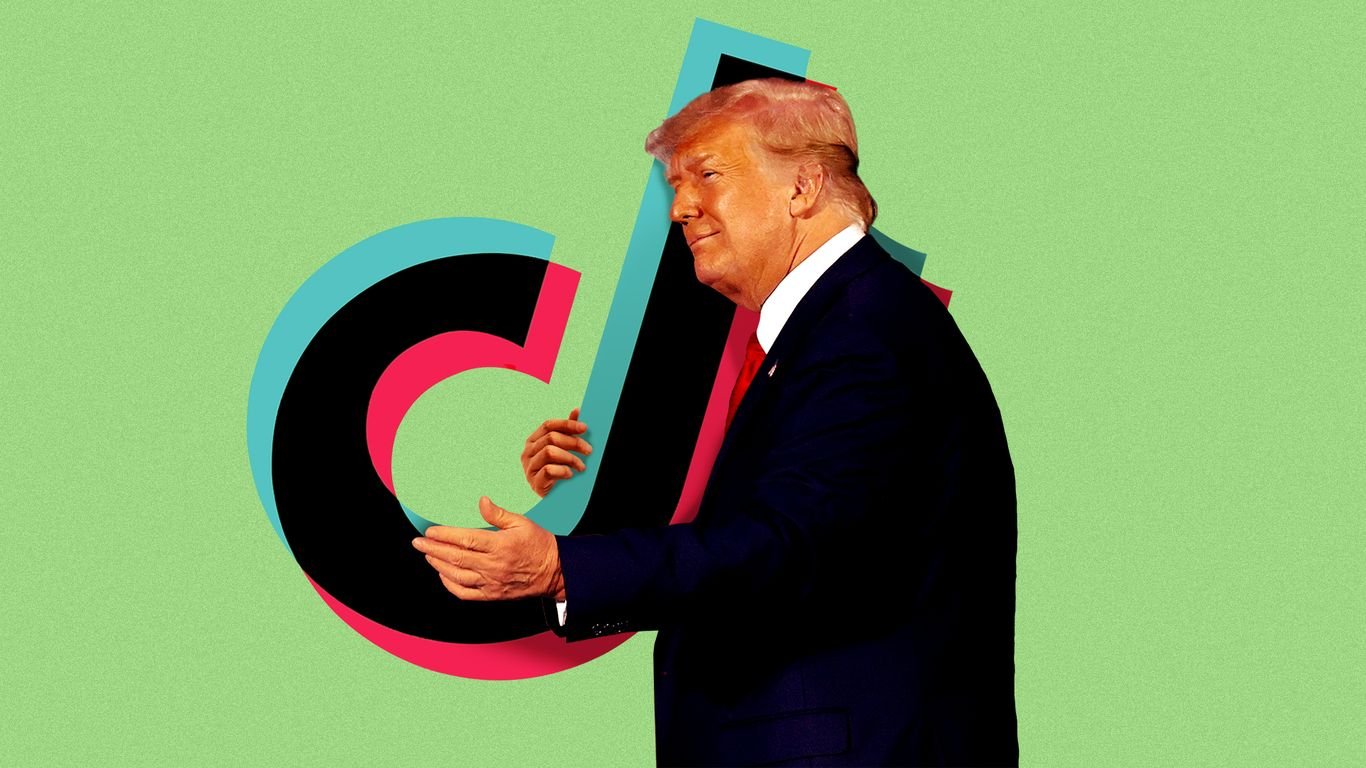
The discrepancy between a one-time valuation and an annual revenue stream of equal magnitude is stark. In typical tech valuations, especially for high-growth platforms, the price is often a multiple of revenue, not equal to a single year's earnings. For context, a company with $14 billion in annual revenue might be valued at anywhere from 5x to 15x that figure, depending on growth rates, profitability, and market conditions. A valuation equal to one year's revenue suggests either a significant discount, a structure that doesn't include all assets, or a deal heavily weighted toward non-equity components like debt or licensing agreements.
The reported buyers include Oracle, MGX, and Silver Lake. Oracle's involvement is particularly interesting given its history with TikTok. In 2020, Oracle was part of a proposed deal to become TikTok's "trusted technology partner" in the US, a plan that ultimately fell through. This time, the structure appears to be a majority stake sale to a consortium of non-Chinese investors, with ByteDance, TikTok's Chinese parent company, retaining a minority stake. This could be a strategic move to address national security concerns while keeping some ownership in the hands of the original parent.
The deal's structure and valuation raise several practical questions. If the $14 billion valuation is accurate, what assets are included? TikTok's US operations include its massive user base, its advertising technology, its content recommendation algorithms, and its brand. The advertising revenue figure suggests the platform is a cash-generating machine. However, a valuation equal to annual revenue might indicate that the deal excludes key intellectual property, such as the core AI recommendation engine developed by ByteDance, or that it involves complex licensing arrangements where the US entity pays royalties to ByteDance.
Another factor could be the regulatory and operational risks associated with TikTok. The platform has faced intense scrutiny over data privacy, content moderation, and its relationship with the Chinese government. A buyer would need to factor in the costs of ongoing compliance, potential litigation, and the risk of further regulatory action. These risks could depress the valuation.
From a technical perspective, the value of TikTok's US operations lies in its sophisticated AI system for content recommendation and user engagement. This system, built on years of data and algorithmic refinement, is what drives the high user engagement and, consequently, the advertising revenue. If the deal does not include the transfer of this core technology, the US entity would need to rebuild or license it, which could be a monumental task. The reported involvement of Oracle, a cloud infrastructure provider, might suggest a plan to host TikTok's US data and operations on Oracle Cloud, but the AI model itself is a separate, and arguably more valuable, asset.
The timing of this report is also significant. It comes amid ongoing political pressure in the US for TikTok to divest its US operations or face a ban. A deal valued at $14 billion, if it proceeds, would represent a major resolution to a years-long standoff. However, the valuation suggests that the price tag is not based on a straightforward financial calculation but on a complex mix of strategic, regulatory, and technical considerations.
For investors and analysts, this deal will be a case study in valuing a social media platform under duress. The reported $14 billion figure is a data point that will be scrutinized heavily. It will be compared to other social media acquisitions, such as Microsoft's acquisition of LinkedIn for $26.2 billion in 2016 (LinkedIn had about $3 billion in revenue at the time), or Meta's acquisition of Instagram for $1 billion in 2012 (Instagram had no revenue). The TikTok US deal, if it closes, will sit in a unique category: a forced sale of a highly profitable, technically sophisticated platform at a valuation that appears to be at the lower end of the spectrum.
Ultimately, the final terms of the deal, including what assets are transferred, the structure of the payment, and the ongoing relationship with ByteDance, will determine whether the $14 billion valuation is a fair price or a bargain. For now, it serves as a reminder that in tech, value is not just about revenue—it's about control, technology, and the ability to operate without regulatory shackles.
Comments
Please log in or register to join the discussion