
Secret recordings reveal Senator Ted Cruz criticizing Trump-era tariffs and potential VP pick JD Vance, highlighting internal GOP divisions that could impact tech supply chains and trade policy.
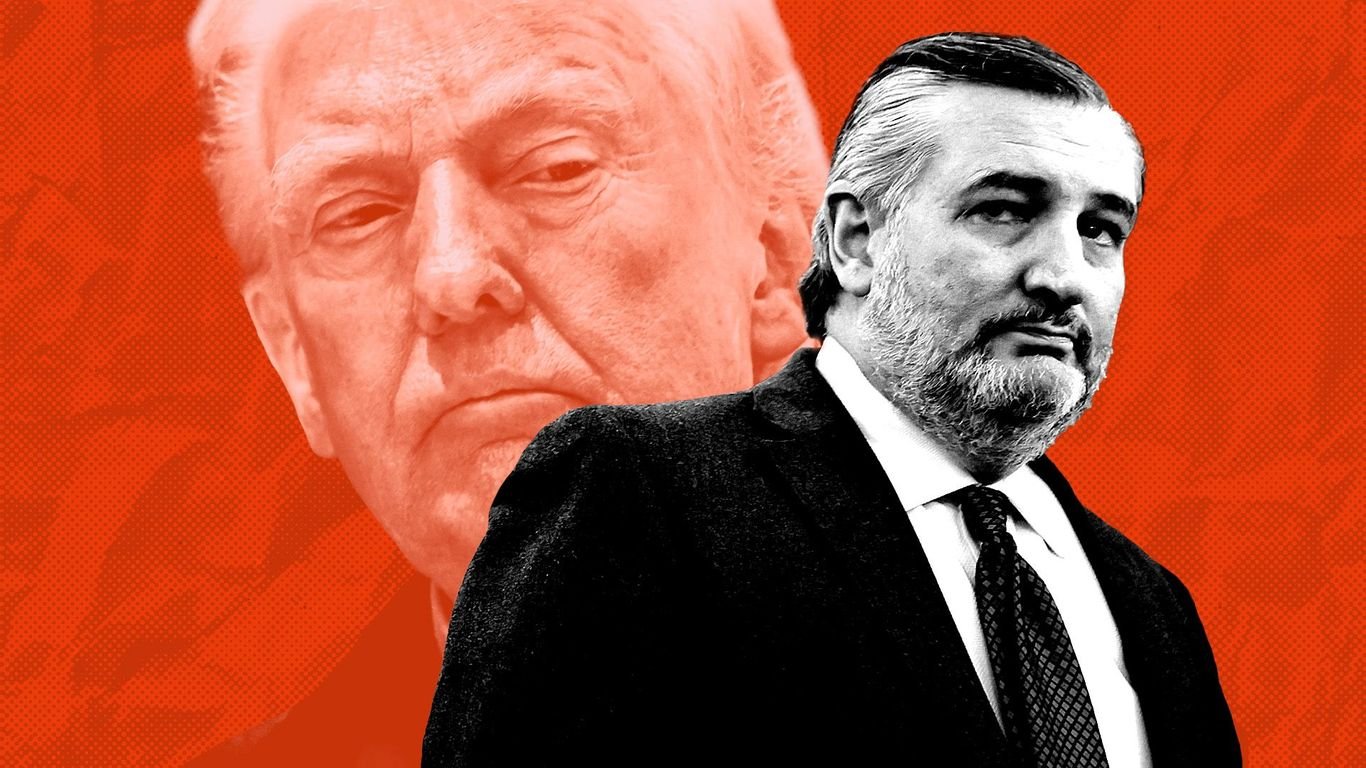
Recently disclosed audio recordings capture Senator Ted Cruz privately disparaging core elements of Trump-era economic policy, including tariffs on Chinese goods and potential vice-presidential nominee JD Vance. The revelations surface amid ongoing debates about U.S. technology competitiveness and supply chain resilience.
Tariffs' Tangible Tech Impact
Trump's Section 301 tariffs imposed 25% duties on approximately $250 billion worth of Chinese imports, including critical technology components like semiconductors, printed circuit boards, and networking equipment. According to the Consumer Technology Association, these tariffs cost the U.S. tech sector over $16 billion annually through increased manufacturing expenses. Major companies like Apple and Cisco reported 15-20% procurement cost increases during the peak tariff period, forcing supply chain relocations to Vietnam and Mexico. Cruz's criticism aligns with tech industry concerns that tariffs function as regressive taxes ultimately borne by U.S. manufacturers and consumers.
Vance's Tech Policy Positions
Cruz's recorded skepticism extends to Senator JD Vance, whose policy positions carry weight in technology circles. Vance co-sponsored the bipartisan RESTRICT Act targeting foreign tech platforms like TikTok, while simultaneously advocating for semiconductor subsidies through the CHIPS Act. His protectionist stance on manufacturing clashes with Cruz's traditionally free-trade leanings. This divergence matters for tech firms navigating policy uncertainty: Vance supports strict limits on Chinese investments in U.S. tech firms, while Cruz has historically backed cross-border venture capital flows.
Strategic Implications for Tech
The rift exposes three business-critical uncertainties:
- Supply Chain Investments: Tariff extensions could accelerate reshoring initiatives but increase production costs by 18-30% for electronics manufacturers according to Kearney research
- Policy Predictability: Divided GOP leadership complicates long-term planning for $50B semiconductor fab projects requiring 5-7 year horizons
- China Decoupling: Vance's advocacy for tariff escalations contrasts with Cruz's criticism, leaving exporters without clear guidance on $128B annual tech trade with China
Tech executives now face heightened regulatory ambiguity. As tariff exemptions on critical components like servers and routers expire in 2025, industry groups including the Semiconductor Industry Association urge Congress for coherent trade strategies balancing security concerns with global competitiveness. The internal GOP policy fractures revealed in these recordings suggest prolonged uncertainty for tech supply chain decisions.
Comments
Please log in or register to join the discussion