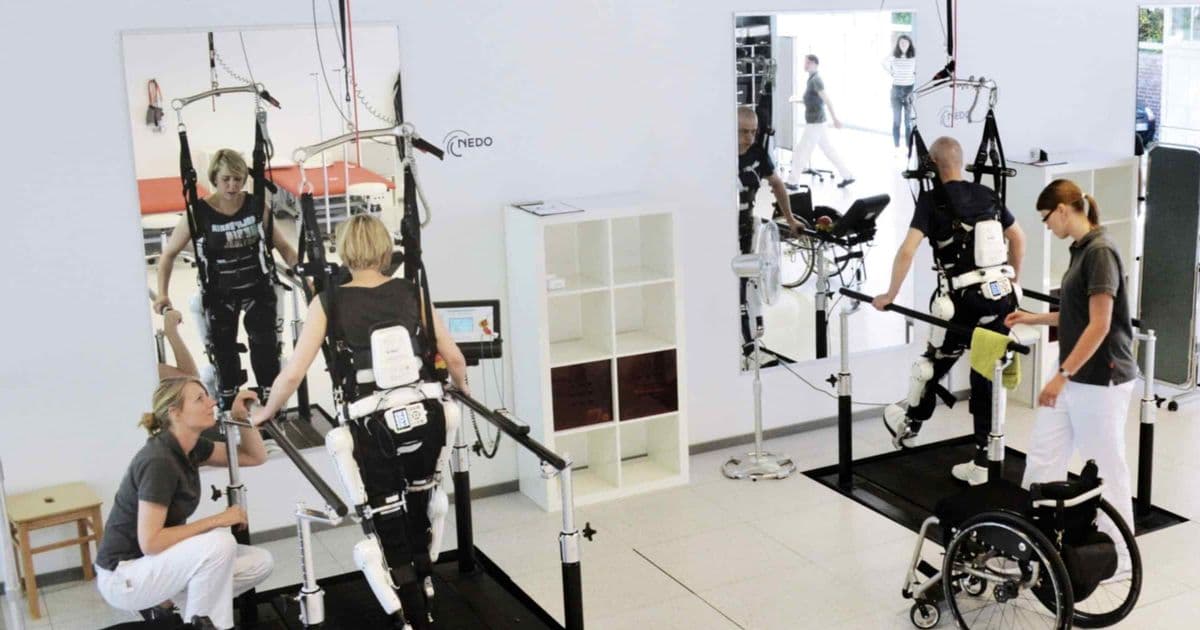
Japanese robotics firm Cyberdyne has secured a strategic partnership with Carnegie Mellon University to accelerate deployment of its HAL exoskeleton and Cyvis biosensor in U.S. healthcare, leveraging Pittsburgh's medical ecosystem for global scaling.
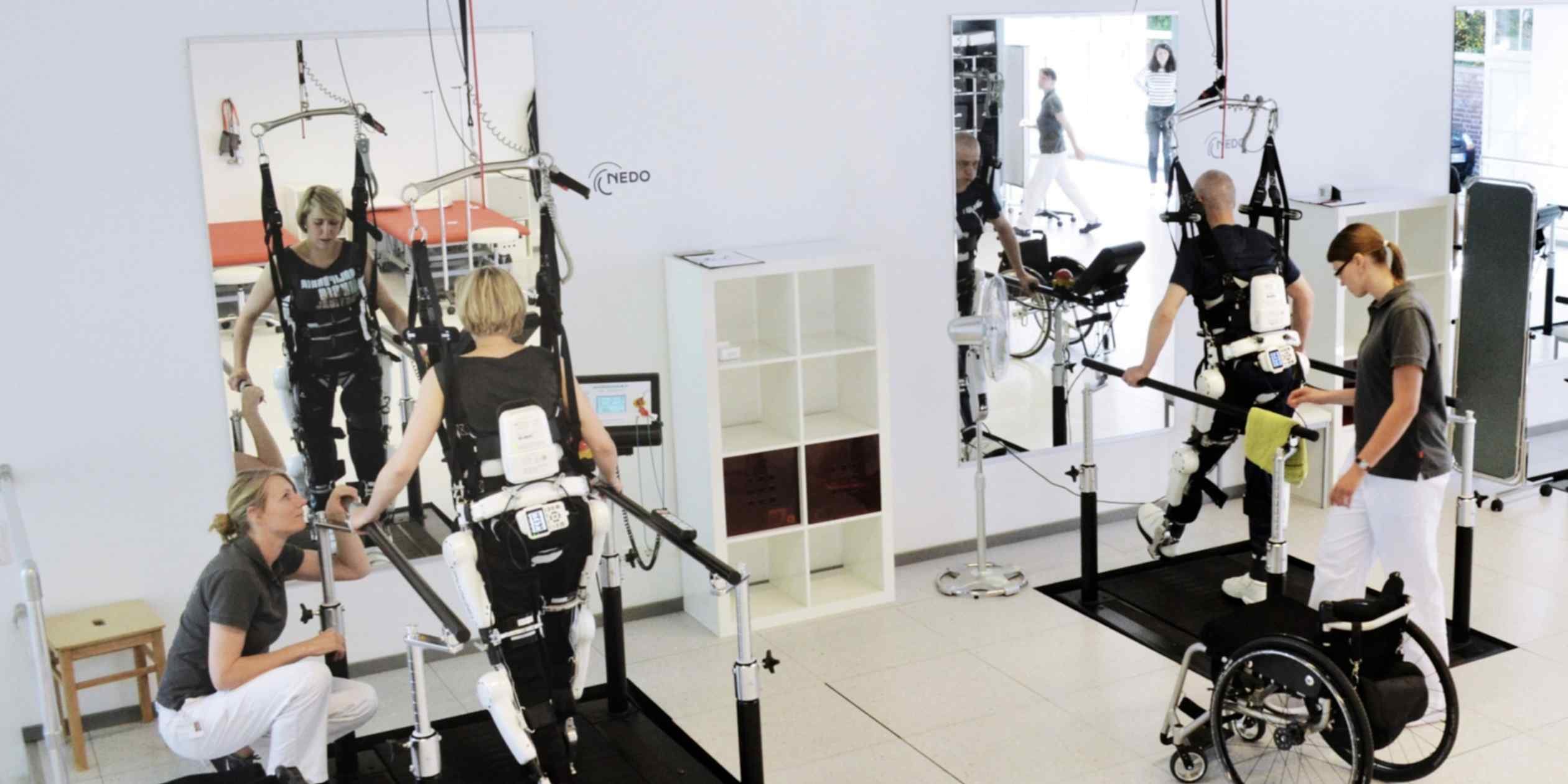
Cyberdyne, the Tsukuba-based developer of medical robotics, has formalized a collaboration with Carnegie Mellon University to establish Pittsburgh as a North American hub for its cybernics technology platform. The memorandum of understanding signed in December 2025 aims to integrate Cyberdyne's Hybrid Assistive Limb (HAL) exoskeletons and Cyvis biometric sensors into U.S. healthcare infrastructure through partnerships with clinical networks including the University of Pittsburgh Medical Center (UPMC). This expansion targets the rapidly growing physical AI market, projected by Statista to reach $37 billion globally by 2028.
The partnership unites Cyberdyne's clinically validated wearable systems with Carnegie Mellon's leadership in artificial intelligence and robotics research. HAL, already approved as a Class II medical device in 20+ jurisdictions including the U.S., EU, and Japan, utilizes proprietary algorithms to interpret neuromuscular signals for mobility assistance. Clinical studies demonstrate 15-30% improvement in gait rehabilitation outcomes among stroke patients using HAL systems, according to peer-reviewed data in the Journal of NeuroEngineering and Rehabilitation.
A critical component of the collaboration involves deploying Cyberdyne's Cyvis biosensor across UPMC's network of 40 hospitals and 800 clinics. The 18-gram wearable, cleared in Japan in November 2024, continuously monitors cardiac rhythms, body temperature, and movement patterns with 10-day battery endurance. Its accelerometer-enabled fall detection and atrial fibrillation algorithms provide real-time alerts to caregivers—capabilities addressing the $50 billion annual cost of fall-related injuries among U.S. seniors cited by CDC reports.
Cyberdyne President Yoshiyuki Sankai confirmed plans to establish a Pittsburgh-based joint venture with Carnegie Mellon and University of Pittsburgh to accelerate product adaptation for Western markets. 'UPMC's clinical scale enables continuous robotic learning through real-world deployment,' Sankai noted, referencing the network's 4.5 million insurance members as a test cohort for refining AI algorithms. The company will initially deploy technical teams from its Irvine, California facility to support implementation.
Financially, the U.S. expansion diversifies Cyberdyne's revenue streams beyond Japan, where medical robotics adoption faces demographic pressures. The company's Q3 2025 earnings reported ¥3.2 billion ($21 million) in overseas sales—28% of total revenue—with North America representing the fastest growing segment at 45% year-over-year. This strategic shift aligns with Japan's cross-ministerial 'human-collaborative robotics' initiative, where Sankai serves as program director.
Concurrent with U.S. development, Cyberdyne is executing a multi-region expansion strategy. The company secured MOUs with Taiwanese academic institutions in 2025 and Thailand's Ministry of Public Health this January, targeting ASEAN healthcare innovation. Non-medical applications for HAL and Cyvis in construction and agriculture sectors are under exploration, leveraging HAL's waist-worn variants that reduce physical exertion during heavy lifting by up to 40%.
The Carnegie Mellon alliance positions Cyberdyne to capitalize on converging healthcare trends: 72% of U.S. hospitals now utilize remote patient monitoring according to HIMSS Analytics, while the FDA's 2024 Digital Health Framework accelerates regulatory pathways for AI-enhanced devices. With global healthcare robotics investments exceeding $5.8 billion in 2025 per PitchBook data, this partnership provides Cyberdyne with critical R&D infrastructure and clinical validation channels to compete against U.S. exoskeleton developers like Ekso Bionics and German Bionic.
Comments
Please log in or register to join the discussion