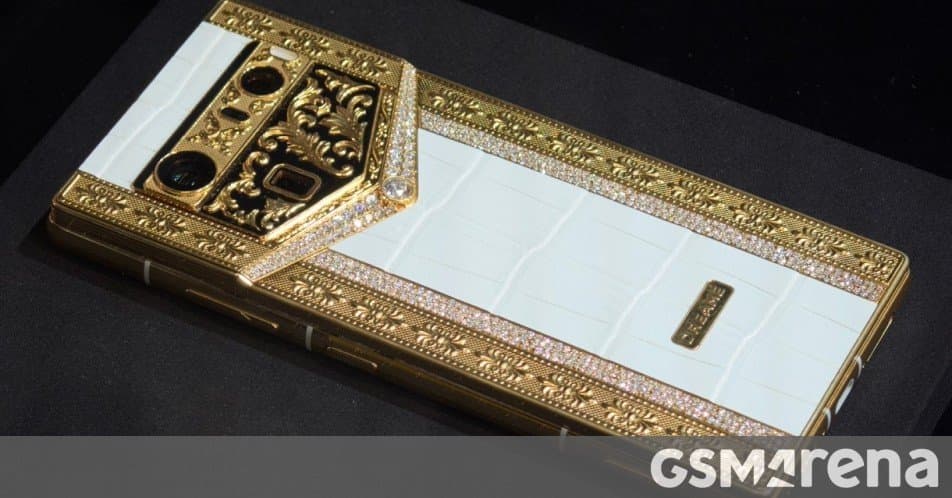
Dreame expands into premium smartphones with both ultra-luxury jewel-encrusted models and practical devices featuring a revolutionary detachable camera module with 1-inch sensor.
Dreame Shows Off $15K Luxury Phones, Teases Detachable Camera Module with 1" Sensor
Dreame, a company known for its vacuum cleaners and home appliances, has made a surprising entry into the smartphone market with two distinct approaches: ultra-luxury handsets priced at $10,000-$15,000 and innovative devices featuring a detachable camera module. This expansion follows Dreame's recent ventures into smart rings, action cameras, and even electric vehicles, signaling the company's ambitious diversification strategy.
The Practical Innovation: Detachable Camera Module
One of Dreame's smartphone offerings features a detachable camera module housing a 1-inch sensor, positioning it as a serious contender in mobile photography. Unlike previous attempts at modular cameras, Dreame's approach incorporates Wi-Fi connectivity, allowing the camera module to operate remotely from the phone itself.
This wireless functionality provides photographers with unprecedented flexibility when framing shots. The module can be positioned independently while still transmitting images to the phone, potentially enabling users to capture A and B roll footage with just a single device. This approach echoes Sony's lens-style cameras but advances the concept by removing the need for physical connection during operation.
The implementation of a 1-inch sensor in a detachable module represents a significant technical achievement. For context, smartphone sensors typically range from 1/2.3" to 1/1.3", with larger sensors generally capturing more light and detail. The 1" sensor puts Dreame's offering in the same category as dedicated compact cameras like the Sony RX100 series, potentially bridging the gap between smartphone and dedicated camera capabilities.
The Luxury Line: Dreame Aurora
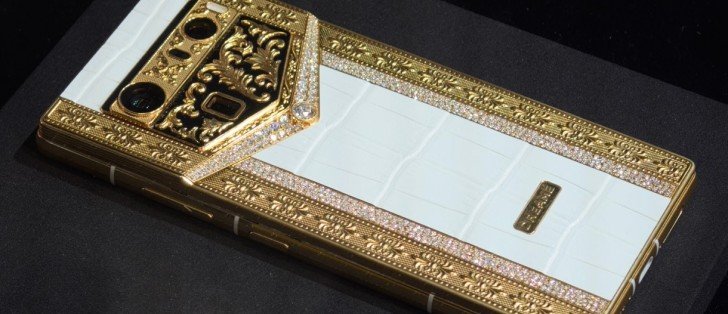
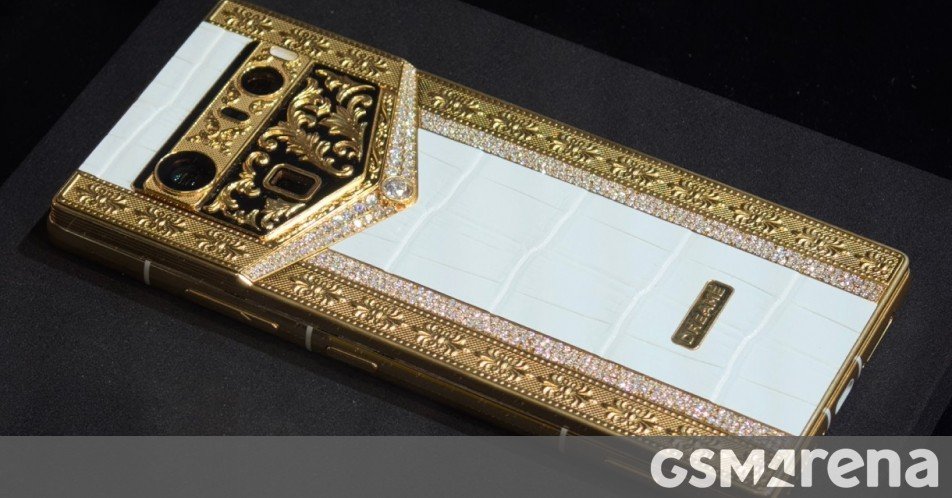
While the detachable camera phone represents practical innovation, Dreame's Aurora series showcases the company's willingness to compete in the ultra-luxury segment. These handsets, priced between CNY 70,000-100,000 ($10,000-$15,000), feature precious materials, jewels, gold inlays, and traditional craftsmanship techniques.
The luxury segment includes one particularly striking model with a functional clock on the back—a direct challenge to luxury watch brands like Ulysse Nardin that have previously ventured into smartphone territory. The Aurora series offers extensive customization options, with numerous possible designs depending on the client's preferences and budget.
Dreame's entry into this market positions them against established luxury phone brands like Vertu, which has long catered to affluent customers seeking status symbols rather than cutting-edge technology. The Aurora series appears to balance both, offering exclusivity through materials and craftsmanship while presumably incorporating modern smartphone functionality.
Technical Powerhouse: The Chixiao 01 AI Chip
Supporting both smartphone lines is Dreame's proprietary Chixiao 01 AI chip, which delivers an impressive 200 TOPS (trillion operations per second) of compute power. This specification significantly outpaces competitors, with the flagship Snapdragon X2 Elite managing approximately 80 TOPS by comparison.
The inclusion of a dedicated AI chip suggests Dreame aims to differentiate through computational photography, potentially leveraging the chip's capabilities for image processing, computational zoom, and AI-enhanced features. The chip's power could also enable advanced features like real-time language translation, enhanced voice recognition, or sophisticated AR applications.
Market Context and Ecosystem Considerations
Dreame's smartphone entry comes at an interesting time in the mobile market. While flagship smartphones have reached price points approaching $2,000, the ultra-luxury segment remains relatively untapped by new entrants. Meanwhile, smartphone innovation has slowed, with manufacturers struggling to find meaningful differentiation beyond camera improvements and incremental spec bumps.
The detachable camera module addresses a real need among photography enthusiasts who want smartphone convenience without sacrificing image quality. However, the success of such a concept depends on several factors:
- Software integration: The camera module must work seamlessly with the phone's software, including image processing and sharing capabilities.
- Battery life: Operating a larger sensor wirelessly will consume significant power, requiring careful power management.
- Durability: A detachable component introduces potential points of failure that traditional smartphones avoid.
- Ecosystem lock-in: As with other modular approaches, users may find themselves committed to Dreame's ecosystem for optimal functionality.
For the luxury Aurora line, the challenge will be establishing Dreame as a credible luxury brand. The smartphone market has seen numerous entries in this space, with most struggling to achieve lasting significance beyond their initial novelty. Success will likely depend on Dreame's ability to build a brand identity that resonates with affluent consumers and offers genuine value beyond the materials used in construction.
What's Next
Dreame has not announced specific release dates or availability details for either smartphone line. The company's rapid expansion into multiple product categories suggests a strategy to build a comprehensive ecosystem of connected devices. With the Chixiao 01 chip potentially serving as the backbone for future products, Dreame may be positioning itself as a significant player in the consumer technology space.
As the smartphone market continues to evolve, Dreame's dual approach—innovative practical solutions and ultra-luxury status symbols—could appeal to different segments of the market. Whether the company can establish itself as a credible smartphone manufacturer remains to be seen, but these initial offerings certainly demonstrate ambition and technical capability.
Comments
Please log in or register to join the discussion