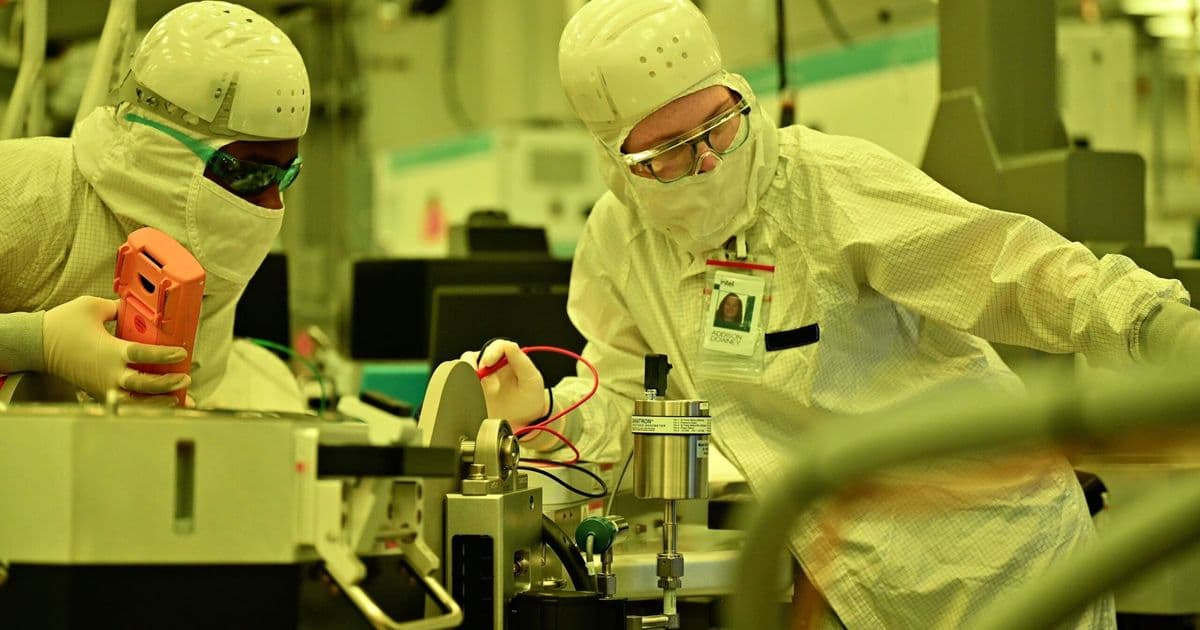
Elon Musk announces the March 21, 2026 launch of his Terafab Project, a bold initiative to build custom chipmaking facilities to meet Tesla, SpaceX, and xAI's projected demand for 100-200 billion AI chips annually.
Elon Musk has set March 21, 2026 as the launch date for his highly anticipated Terafab Project, a venture that could fundamentally reshape the semiconductor industry's approach to AI chip manufacturing. The announcement, made via a brief post on X, marks the beginning of what Musk describes as a critical initiative to address what he sees as a growing supply gap in high-performance AI processors.
The Scale of Ambition
The numbers Musk has cited are staggering. His companies—Tesla, SpaceX, and xAI—are projected to require between 100 and 200 billion AI chips annually, a demand that far exceeds current foundry capabilities. This volume represents a fundamental challenge to the traditional semiconductor supply chain, which typically operates on multi-year planning cycles and requires decades to establish new fabrication facilities.
Musk's frustration with existing foundry partners has been building for months. In previous statements, he indicated that conventional foundries cannot scale quickly enough to meet his companies' accelerating AI ambitions. The Terafab Project appears to be his solution: bringing chip manufacturing in-house to ensure supply security and potentially reduce costs at massive scale.
A Radical Approach to Cleanroom Design
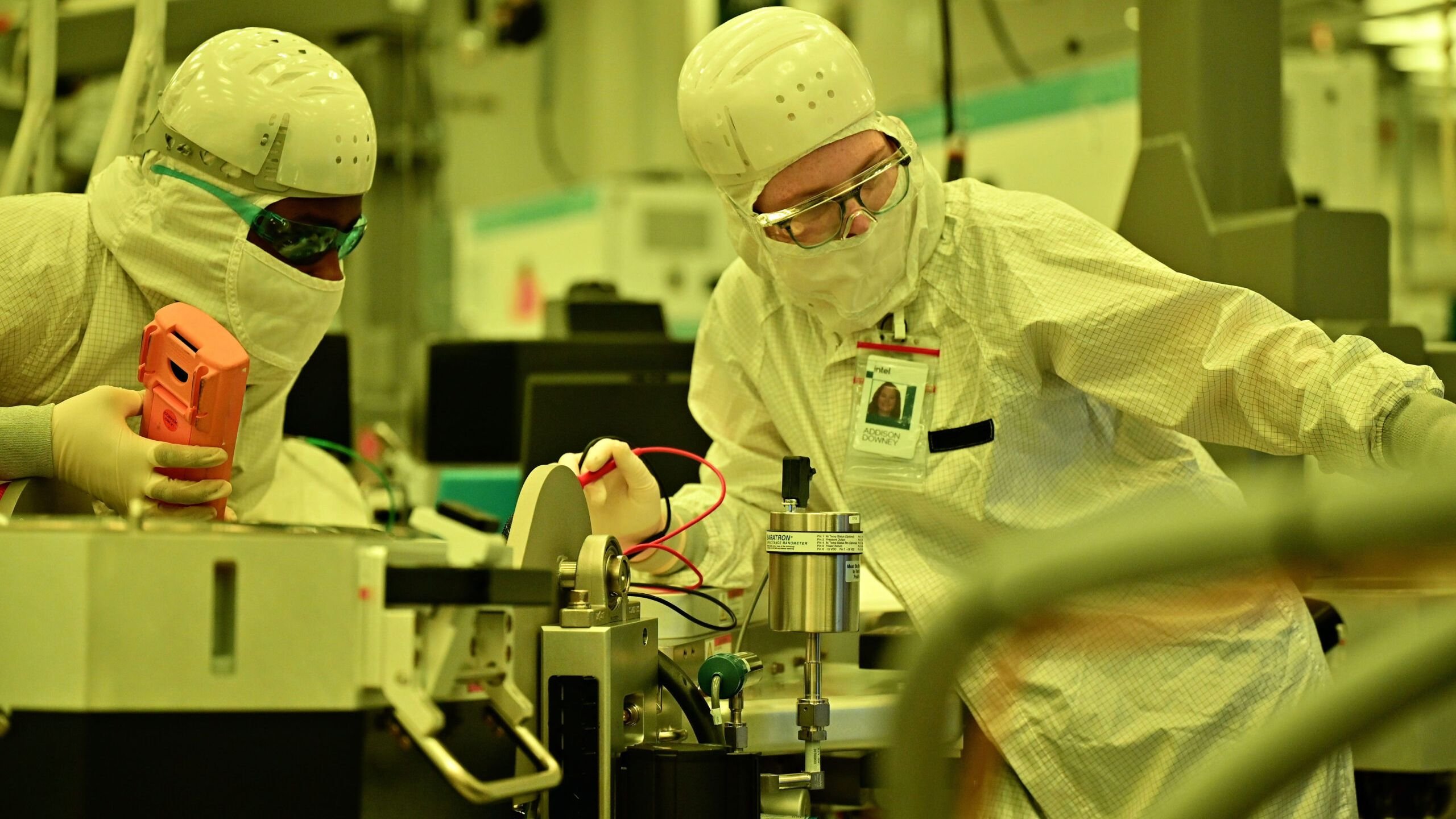
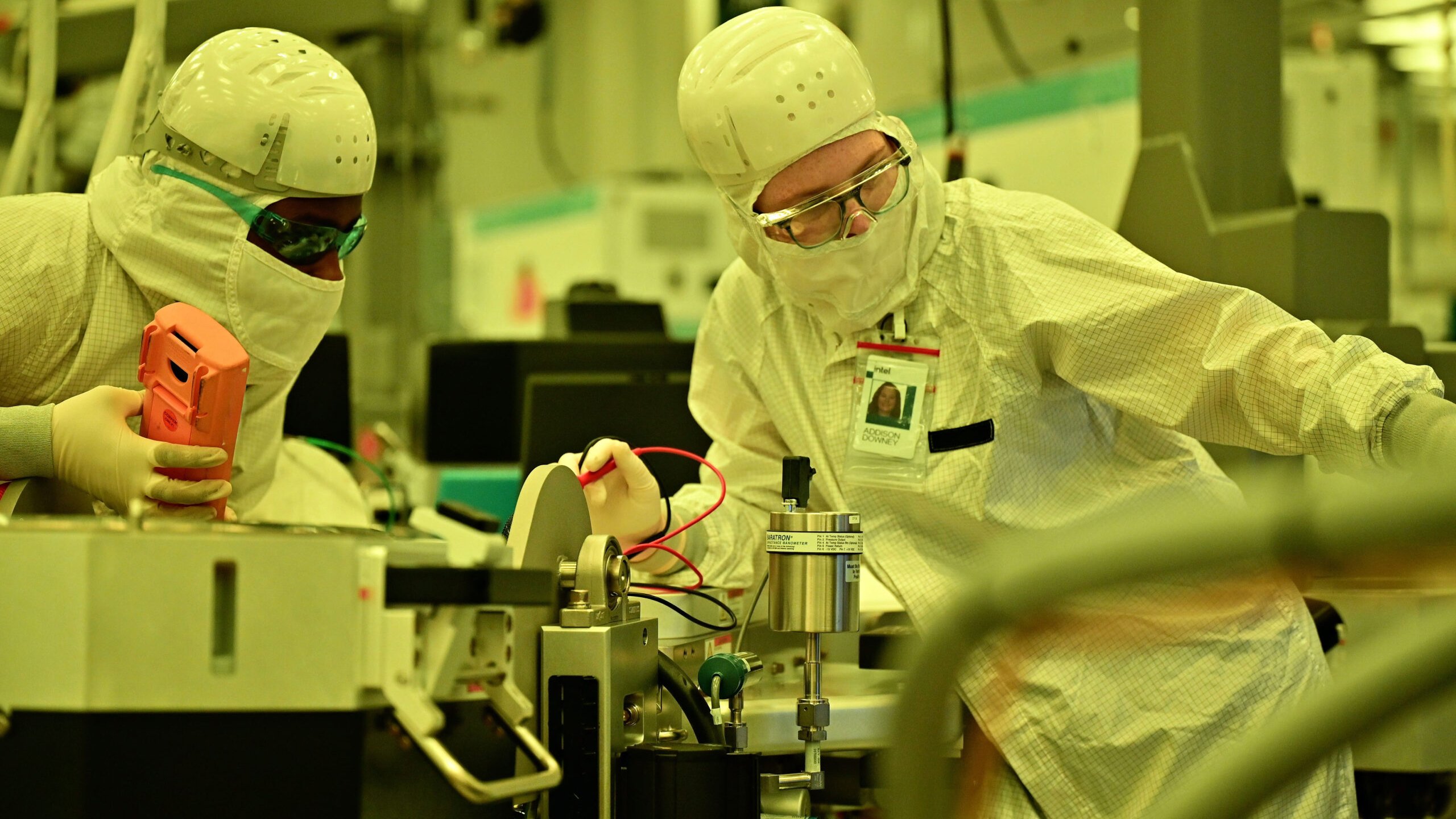
Perhaps most intriguing are Musk's comments about semiconductor manufacturing methodology. In an interview with Moonshots, he argued that the industry has been approaching cleanroom design incorrectly. Rather than maintaining entire buildings at ultra-clean standards, Musk proposes isolating individual silicon wafers throughout the manufacturing process, keeping them sealed from the surrounding environment.
This approach, if viable, could dramatically reduce the complexity and cost of semiconductor fabrication. Musk even suggested it would allow workers to eat cheeseburgers in the cleanroom while chips are being manufactured—a provocative image that underscores his willingness to challenge established industry practices.
The Timing Question
One detail that has caught industry attention is the launch date itself: Saturday, March 21, 2026. Traditional semiconductor announcements and facility launches typically occur on weekdays, when financial markets are open and industry stakeholders are actively engaged. A Saturday launch is unconventional and has led to speculation about Musk's strategic intentions.
Some analysts suggest this timing could be designed to control the narrative and initial media coverage, while others view it as simply Musk's characteristic disregard for traditional business protocols. Regardless, the choice has generated additional buzz around what is already one of the most closely watched technology initiatives of the year.
Supply Chain Implications
The Terafab Project's success or failure could have profound implications for the global semiconductor supply chain. If Musk can indeed build facilities capable of producing hundreds of billions of chips annually on accelerated timelines, it could force other tech giants to reconsider their manufacturing strategies.
However, the challenges are immense. Building a semiconductor supply chain from scratch—including equipment procurement, materials sourcing, and skilled workforce development—typically requires decades. Musk's one-to-three-year planning horizon represents a fundamental mismatch with industry norms.
What to Expect
With the launch just days away, industry observers are eagerly anticipating details about the project's scope, timeline, and technological approach. Will Terafab focus on specific chip architectures? What partnerships, if any, has Musk secured with equipment manufacturers or materials suppliers?
The project also raises questions about competition with existing foundry giants like TSMC, Samsung, and Intel. While Musk has indicated he would prefer to rely on external manufacturing if foundries could meet his timeline, the scale of demand he's projecting suggests that even major players would struggle to accommodate it.
The Broader Context
Musk's initiative comes at a time of intense focus on semiconductor sovereignty and supply chain resilience. Governments worldwide are investing heavily in domestic chip manufacturing capabilities, and the ability to produce AI accelerators at massive scale has become a strategic priority.
Whether Terafab becomes a revolutionary success or an ambitious failure, it represents a significant bet on the future of AI hardware. The project's launch on March 21 will provide the first concrete details about how Musk plans to tackle one of technology's most complex manufacturing challenges.

As the semiconductor industry watches closely, one thing is clear: Musk's willingness to challenge established practices and pursue seemingly impossible timelines continues to drive innovation—and controversy—across multiple technology sectors.
For now, the industry waits seven days to learn whether Terafab will be remembered as a transformative breakthrough or another example of Silicon Valley's appetite for moonshot projects.
Comments
Please log in or register to join the discussion