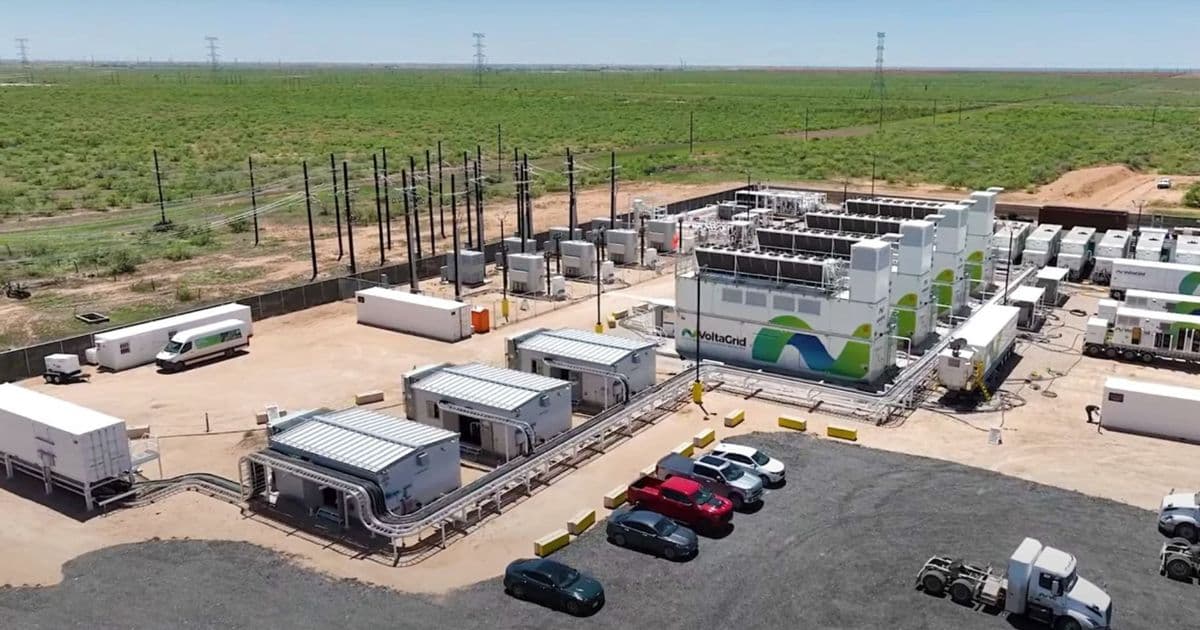
New EPA regulations require air permits for all gas turbine generators, ending local exemptions that enabled rapid AI data center deployments like xAI's 100,000-GPU supercluster.
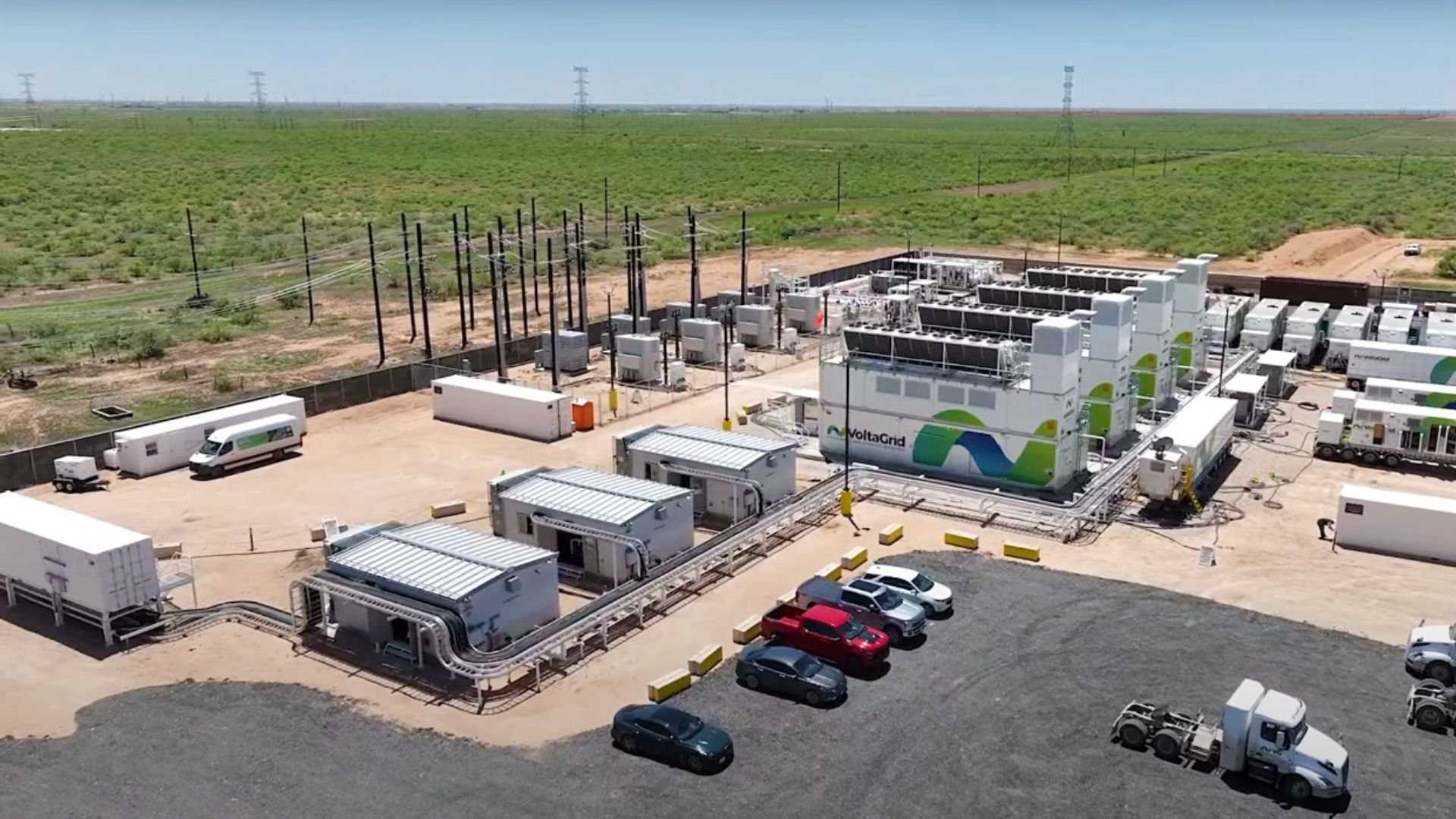
The U.S. Environmental Protection Agency (EPA) has eliminated permit exemptions for temporary gas turbine generators, closing a regulatory loophole that allowed projects like Elon Musk's xAI supercluster to bypass air quality reviews. The ruling directly impacts AI hyperscalers relying on portable power solutions while awaiting grid connections.
Under previous Shelby County, Tennessee regulations, gas turbines could operate without air permits if relocated within 364 days. xAI leveraged this exception to power its Memphis-based AI data center featuring 100,000 Nvidia H200 GPUs. The company deployed portable generators to achieve full operation in just 19 days—a process Nvidia CEO Jensen Huang typically estimates takes four years. 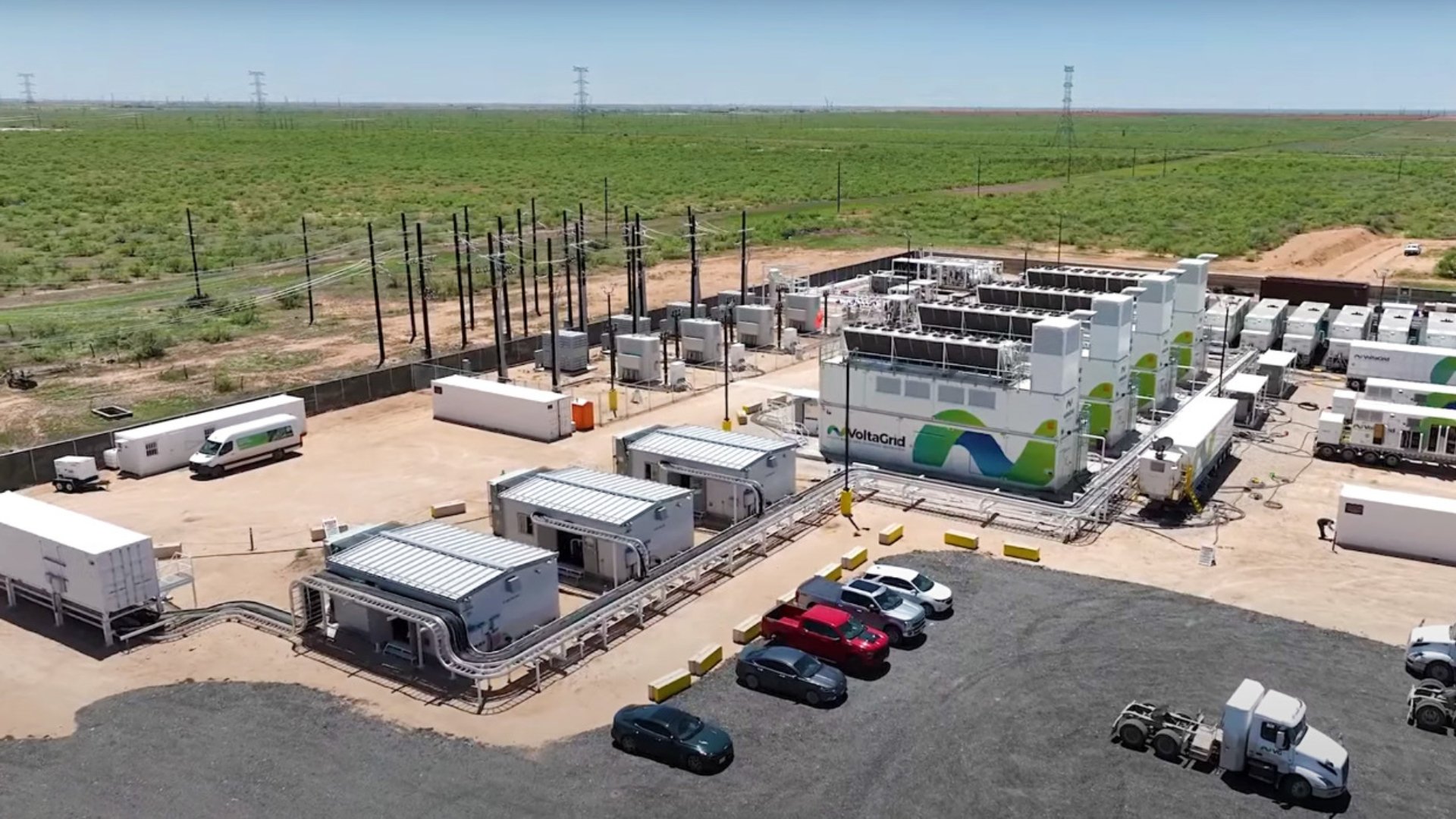
This approach became common among AI infrastructure developers facing grid connection delays. OpenAI reportedly planned similar temporary gas turbine solutions for its Stargate project. The EPA's new rules now mandate federal air permits under Clean Air Act standards for all combustion turbines, including portable units used temporarily.
For AI companies racing to deploy GPU clusters, this adds significant regulatory hurdles. Hyperscalers can no longer bypass permitting by exploiting local loopholes and must now comply with emission control requirements, environmental impact assessments, and public comment periods. While not banning generators outright, the regulation complicates rapid deployment strategies during grid connection waits.
The ruling arrives amid unprecedented strain on U.S. power infrastructure from AI data centers. Electricity demand from GPU clusters now frequently exceeds what local grids can immediately provide, forcing companies toward on-site generation. EPA Administrator Michael Regan emphasized the change 'ensures energy projects meet consistent air quality standards nationwide, regardless of local exceptions.'
Industry analysts note this could delay near-term AI deployments but incentivize long-term investments in grid upgrades and cleaner backup solutions. The updated regulations take effect in Q4 2024.
Image credits: VoltaGrid
By Jowi Morales, Contributing Writer 
Comments
Please log in or register to join the discussion