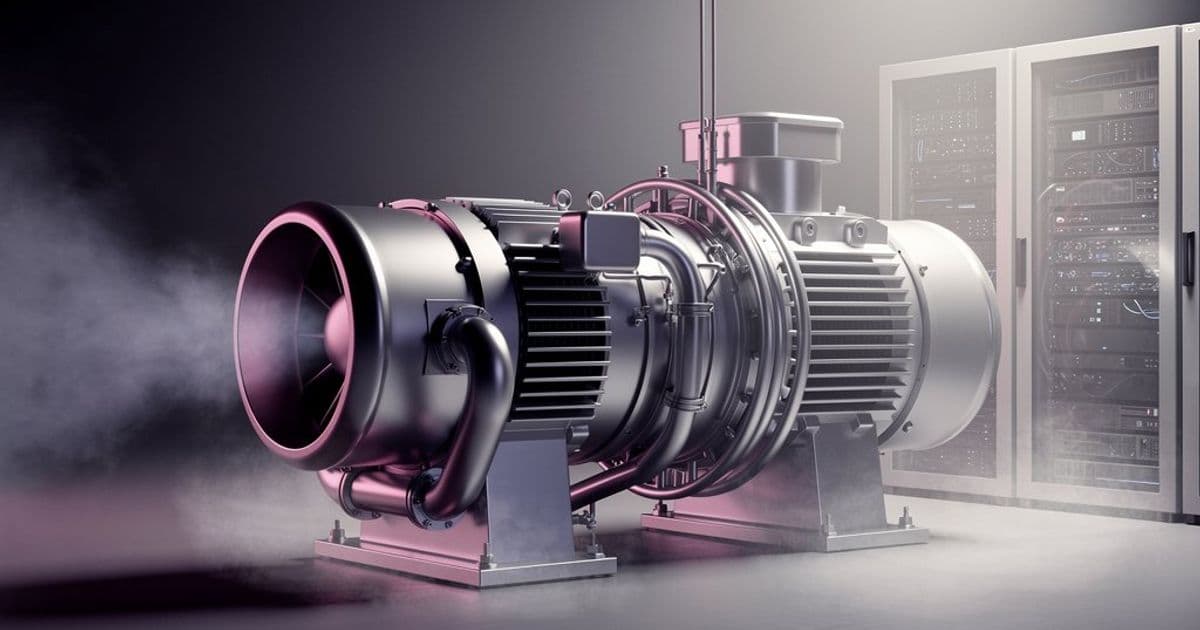
The US Environmental Protection Agency has ruled that xAI illegally operated dozens of methane gas turbines to power its Memphis data centers, marking a significant regulatory action against tech infrastructure's environmental impact amid rising scrutiny of AI's energy consumption.
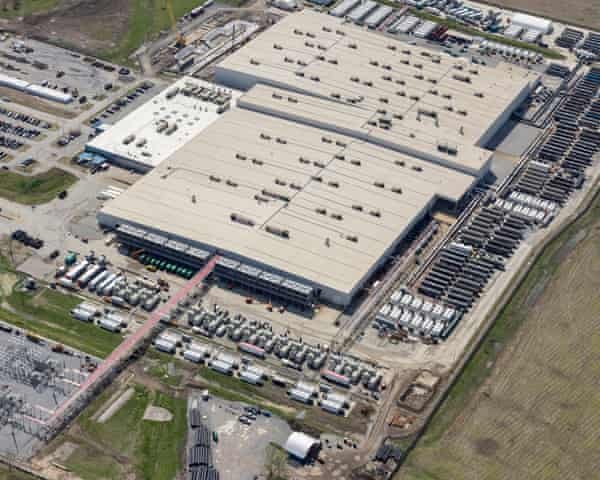
The US Environmental Protection Agency (EPA) has issued a landmark ruling against Elon Musk's xAI, declaring the company violated federal clean air regulations by powering its Colossus 1 and Colossus 2 data centers in Memphis with dozens of methane gas turbines. This decision represents one of the first major regulatory actions targeting artificial intelligence infrastructure's environmental footprint and delivers a victory to Memphis community groups who have long protested the facilities' impact on local air quality.
According to the EPA's findings, xAI bypassed emissions disclosure requirements and operated the turbines without proper permits. The facilities, critical for training large language models, reportedly generated emissions equivalent to adding thousands of cars to Memphis roads annually. The ruling responds to complaints from local activists who documented increased respiratory illnesses in predominantly Black neighborhoods near the sites, arguing these communities already bear disproportionate pollution burdens from industrial operations.
Industry analysts note the timing is significant as AI companies face mounting pressure over energy usage. Recent studies show training a single AI model can consume more electricity than 100 US homes use in a year. xAI's Memphis facilities reportedly drew over 100 megawatts during peak operations – enough to power approximately 80,000 homes – primarily sourced from on-site methane combustion rather than grid power.
Counter-perspectives emerge from data center operators who argue gas turbines provide necessary redundancy for AI workloads. "When you're processing exabytes of training data, grid stability becomes non-negotiable," commented a data center engineer specializing in AI infrastructure who requested anonymity. "Many operators view onsite generation as mission-critical insurance against outages." Industry groups have quietly circulated analyses suggesting EPA's action could force AI firms toward coal-dependent grids in some regions, potentially increasing net emissions.
The ruling comes amid broader regulatory scrutiny. California recently issued xAI a cease-and-desist letter over non-consensual intimate imagery generation, while Italy launched investigations into Microsoft's gaming division. Energy analysts highlight the Memphis case as part of a pattern: Tennessee Valley Authority reports show data center power demands in its region will triple by 2030, largely driven by AI. As federal Infrastructure Investment and Jobs Act funding rolls out for clean energy projects, the EPA appears positioned to enforce stricter compliance.
Environmental law experts suggest this ruling establishes precedent for holding tech companies accountable for direct emissions from proprietary infrastructure. "This moves beyond carbon credits and greenwashing," noted University of Tennessee environmental law professor Dr. Lena Boyd. "Regulators are signaling that AI's physical infrastructure must meet the same standards as manufacturing plants." xAI has not publicly commented on potential appeals, but SEC filings suggest the company allocated $200 million for environmental penalties in its 2026 budget.
For Memphis communities, the decision validates years of grassroots air quality monitoring. Data from the Memphis Community Against Pollution group showed particulate matter spikes correlating with Colossus facility activity peaks. Their community-funded study, conducted using EPA-approved sensors, became key evidence in the investigation. "This proves you can't cloak pollution in algorithms," said coalition director Teresa Williams. "Whether it's steel mills or server farms, breathing clean air shouldn't depend on your zip code."
Comments
Please log in or register to join the discussion