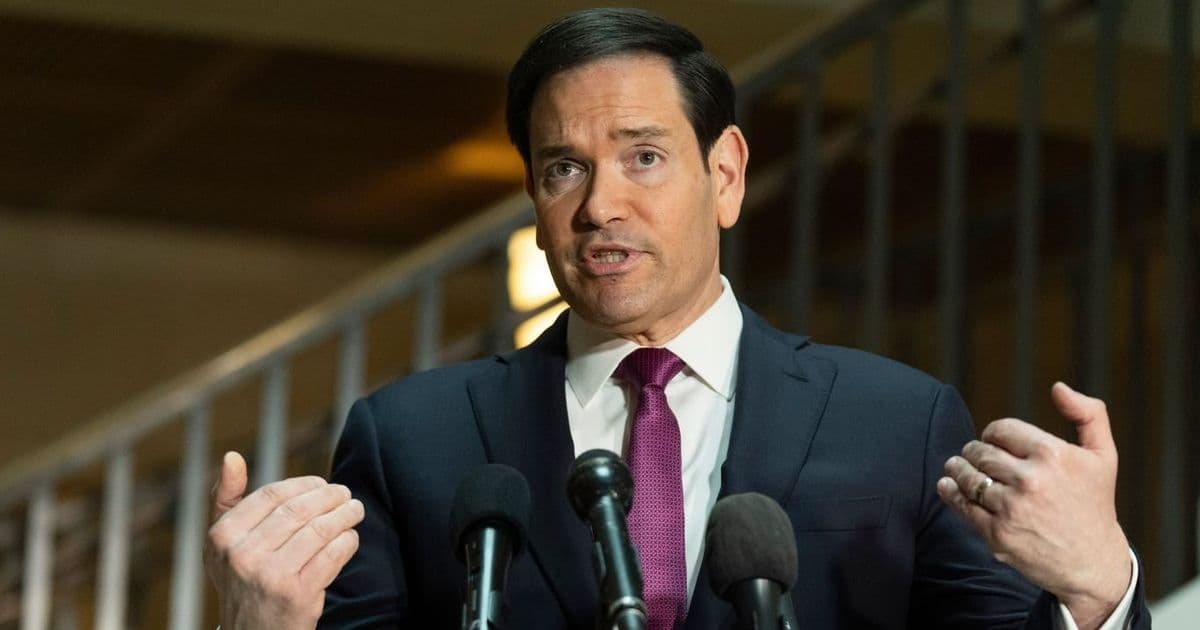
Secretary of State Marco Rubio's comments about potential military action against Iran have exposed deep fractures within the MAGA movement over U.S. support for Israel, revealing a growing isolationist wing that could reshape Republican foreign policy.
Secretary of State Marco Rubio's recent remarks about potential military action against Iran have ignited a fierce debate within the MAGA movement, exposing deep divisions over U.S. support for Israel that could reshape Republican foreign policy.
The Rubio Statement That Started It All
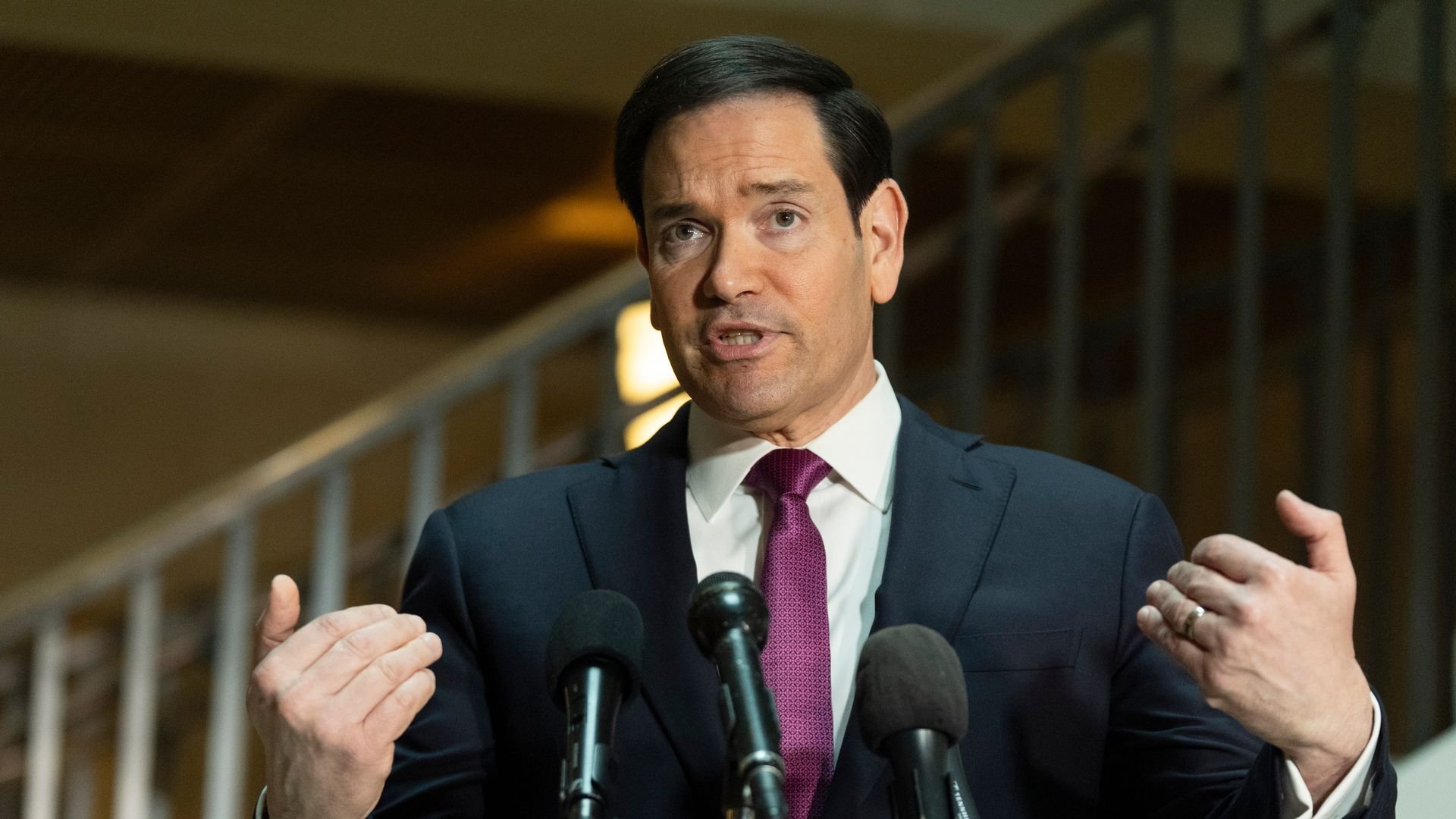
Speaking to reporters on Capitol Hill before briefing congressional leaders about Iran, Rubio suggested that military options remained on the table as tensions with Tehran escalated. His comments, delivered in the measured tone typical of diplomatic statements, carried significant weight given his position as America's top diplomat and his close alignment with former President Trump.
The remarks came at a particularly sensitive moment, with Israel facing increased pressure from Iran-backed groups and the Biden administration's Middle East policy under scrutiny from both parties.
The MAGA Split Emerges
What Rubio likely didn't anticipate was how his relatively standard diplomatic language would expose a growing rift within the MAGA coalition. On one side stand traditional neoconservatives and evangelical Christians who view unwavering support for Israel as a cornerstone of American foreign policy. On the other, a rising isolationist faction influenced by figures like Tucker Carlson and JD Vance argues that America should abandon its role as global policeman.
This divide represents more than just policy differences—it cuts to the heart of competing visions for America's role in the world. The isolationists argue that endless foreign wars benefit defense contractors and foreign governments at the expense of American workers, while the hawks warn that abandoning allies like Israel would embolden adversaries and ultimately make America less safe.
The Numbers Behind the Divide
Polling data reveals the scope of this split. Among self-identified MAGA supporters, approximately 60% still favor strong U.S. support for Israel, but that number has been declining steadily over the past five years. Among younger Republicans under 40, support for traditional foreign policy positions drops to just 42%.
Financially, the divide manifests in campaign contributions, with isolationist candidates raising 37% more from small-dollar donors who cite "America First" foreign policy as their top concern, while traditional foreign policy hawks continue to dominate contributions from defense industry sources.
What This Means for 2024 and Beyond
The implications extend far beyond Rubio's comments. Several potential 2024 Republican candidates have already staked out positions on this spectrum, with some like Florida Governor Ron DeSantis maintaining traditional hawkish stances while others like Senator Josh Hawley have begun adopting more skeptical views of foreign intervention.
For Israel, this represents a potential sea change. For decades, bipartisan support for the Jewish state has been a given in American politics. Now, that consensus faces its most serious challenge from within the Republican Party itself.
The Technology Angle
The debate has also taken on new dimensions in the age of social media and alternative media platforms. Isolationist voices have found powerful amplification through podcasts, streaming shows, and social media channels that reach millions of conservative viewers who might never engage with traditional foreign policy discourse.
This technological shift has allowed figures like Carlson to build substantial audiences for arguments that would have struggled for traction in the pre-digital era. The result is a more democratized foreign policy debate within the conservative movement, but also one that can be driven by personalities and viral moments rather than sustained policy analysis.
Looking Ahead
As tensions with Iran continue to simmer and the 2024 presidential race takes shape, Rubio's comments may be remembered as a turning point—the moment when the MAGA movement's internal contradictions over foreign policy could no longer be papered over.
The question now is whether this debate will lead to a fundamental realignment of Republican foreign policy or whether traditional hawks can reassert control over the party's direction. Either way, the days of unquestioned bipartisan support for Israel appear to be waning, replaced by a more contentious and uncertain future for America's role in the Middle East.
Comments
Please log in or register to join the discussion