Mozilla adds Web Serial API to Firefox Nightly after 13-year debate, allowing direct browser-to-device communication despite lingering security worries.
After more than a decade of debate and security concerns, Firefox is finally joining Chrome in supporting the Web Serial API, allowing users to control serial devices directly from their browser. The feature appeared in Firefox Nightly 151.0a1 around April 13, 2026, marking a significant shift in Mozilla's approach to browser-based hardware access.
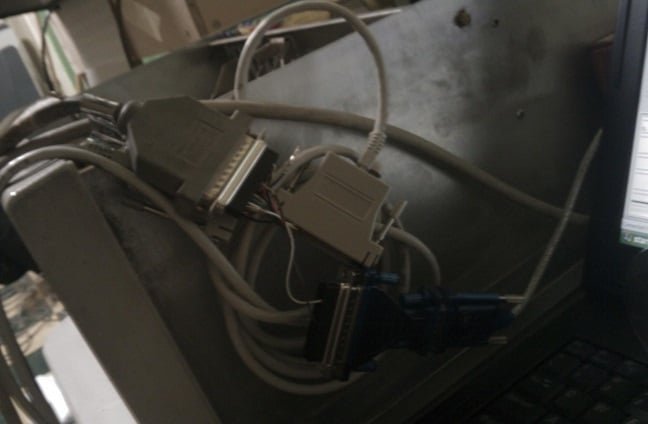
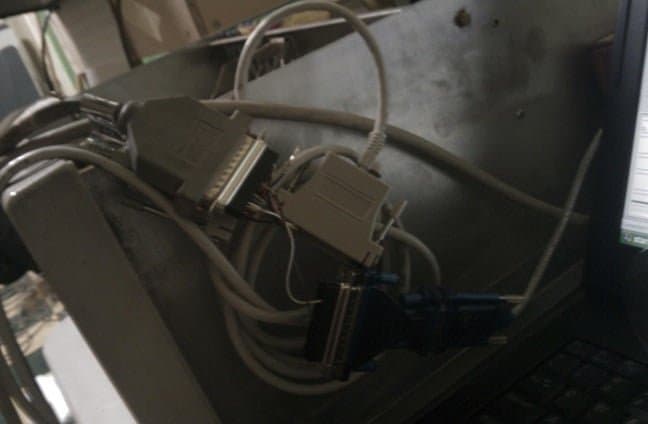
The Web Serial API enables browsers to communicate with devices that use serial ports, including 3D printers, microcontrollers like Arduino and ESP32, and smart home platforms such as ESPHome. It can also interact with devices that emulate serial ports over USB or Bluetooth connections.
This capability has been available in Chrome since 2021, and Chromium-based browsers like Edge, Opera, and Vivaldi have followed suit. Firefox's adoption means users of the popular open-source browser will no longer need to switch browsers to access these features.
A Long Road to Implementation
The journey to Web Serial support in Firefox has been contentious. The API was first proposed in 2013, but Mozilla initially opposed it on security grounds. In 2020, Martin Thomson, a distinguished engineer at Mozilla, argued that user consent alone was insufficient protection for such a powerful capability.
"Serial access is a relic from an age where a physical connection conferred a great deal of trust," Thomson wrote in a GitHub discussion. "Many devices offer administrative control to anything that connects over this interface without any form of authentication; in my experience, this often extends to privileges that transcend even what a root user can do."
Two years later, Mozilla's position began to soften. Firefox CTO Bobby Holley indicated the company was "open to shipping WebSerial using the same add-on-gating mechanism as WebMIDI, provided we can come up with sufficiently understandable consent copy."
By 2024, Mozilla had committed to implementing the feature with appropriate safeguards, though it continues to oppose other hardware APIs like WebUSB and WebHID due to similar security concerns.
Security Trade-offs and Industry Division
The debate over Web Serial reflects broader tensions in web standards development between functionality and security. Apple's WebKit team remains opposed to Web Serial, WebUSB, and WebHID "due to fingerprinting, security, and other concerns," citing Mozilla's previous arguments about privacy risks.
Mozilla's eventual acceptance of Web Serial represents a pragmatic shift. As Bobby Holley noted, the company's wariness about these APIs shifts risk from users to the company itself – if there's sufficient demand to interact with devices through these APIs, lack of support will drive people away from Firefox toward the Chrome ecosystem.
The timing is particularly interesting given Mozilla's current exploration of AI integration in Firefox. As users increasingly expose their computers to AI agents and other potentially risky technologies, the security concerns that once seemed paramount for Web Serial may now appear less significant in the broader context of modern web threats.
How It Works
Activating Web Serial in Firefox Nightly requires setting a flag via the browser's menu. The implementation follows the standard Web Serial API specification, which provides a secure way for web applications to communicate with serial devices through a standardized JavaScript interface.
The API includes several security features:
- User permission prompts before device access
- Origin-based security restrictions
- Limited access to device capabilities
- Clear consent mechanisms
These safeguards aim to balance the convenience of browser-based device control with the need to protect users from malicious websites that might attempt to exploit serial connections.
Impact on Developers and Users
For developers, Firefox's Web Serial support means broader compatibility for web applications that need to interact with hardware. This is particularly valuable for:
- Educational platforms teaching electronics and programming
- Remote device management tools
- Web-based development environments for microcontrollers
- Smart home dashboards and automation tools
- 3D printing workflow applications
Users benefit from not having to install specialized software or browser extensions to control their devices. A web application can now handle everything from firmware updates to real-time monitoring through a standard browser interface.
The Future of Browser Hardware APIs
Mozilla's decision to implement Web Serial while maintaining opposition to WebUSB and WebHID suggests a selective approach to hardware APIs. The company appears willing to support APIs that have demonstrated clear user benefit and can be implemented with adequate security measures, while remaining cautious about more complex or potentially risky interfaces.
The implementation in Firefox Nightly is still in development, with the initial code landing in mid-January 2026. As bugs are ironed out and the feature moves toward stable release, it will be interesting to see whether Mozilla's position on other hardware APIs evolves similarly.
For now, Web Serial represents a compromise between security concerns and practical functionality – one that acknowledges both the legitimate needs of users who want to control their devices from the browser and the ongoing importance of protecting against potential security risks.
Comments
Please log in or register to join the discussion