Higgsfield AI’s fully AI‑generated action film Hell Grind, billed as the first 95‑minute AI movie, arrived in two weeks on a $500 k budget. While the visual pipeline built on ByteDance’s Seedance 2.0 shows impressive consistency, the final product feels more like a rough‑cut series than a cinematic experience. This article breaks down the technology, the production workflow, and why critics are split between technical admiration and narrative disappointment.
Hell Grind – the first 95‑minute AI movie?
The buzz around Hell Grind stems from a simple claim: a 95‑minute live‑action film created entirely with artificial intelligence, produced by Higgsfield AI in just two weeks and on a $500 000 budget. The premise reads like a low‑budget teen flick – four orphaned skateboarders stumble into an interdimensional demonic war – but the real story is how the film was assembled.
What’s new? The tech stack behind the grind
- Seedance 2.0 – ByteDance’s AI video model, originally trained on billions of short‑form clips from TikTok, is the core engine. It can generate coherent motion, apply style transfer, and synthesize lip‑sync in near‑real‑time.
- Higgsfield’s portal – The company wraps Seedance in a web‑based UI that lets users upload storyboards, script snippets, and reference images. The platform then orchestrates frame‑by‑frame generation, background replacement, and compositing.
- Two‑week pipeline – According to the press kit, a team of five artists handled scriptwriting, prompt engineering, and post‑processing. Roughly 10 000 prompts were fed to Seedance, each producing a 2‑second clip that was stitched together in Adobe Premiere.
- Budget breakdown – $300 k went to compute (GPU clusters on Azure), $150 k covered talent for prompt engineering and voice‑over work, and $50 k paid for licensing the Seedance API.
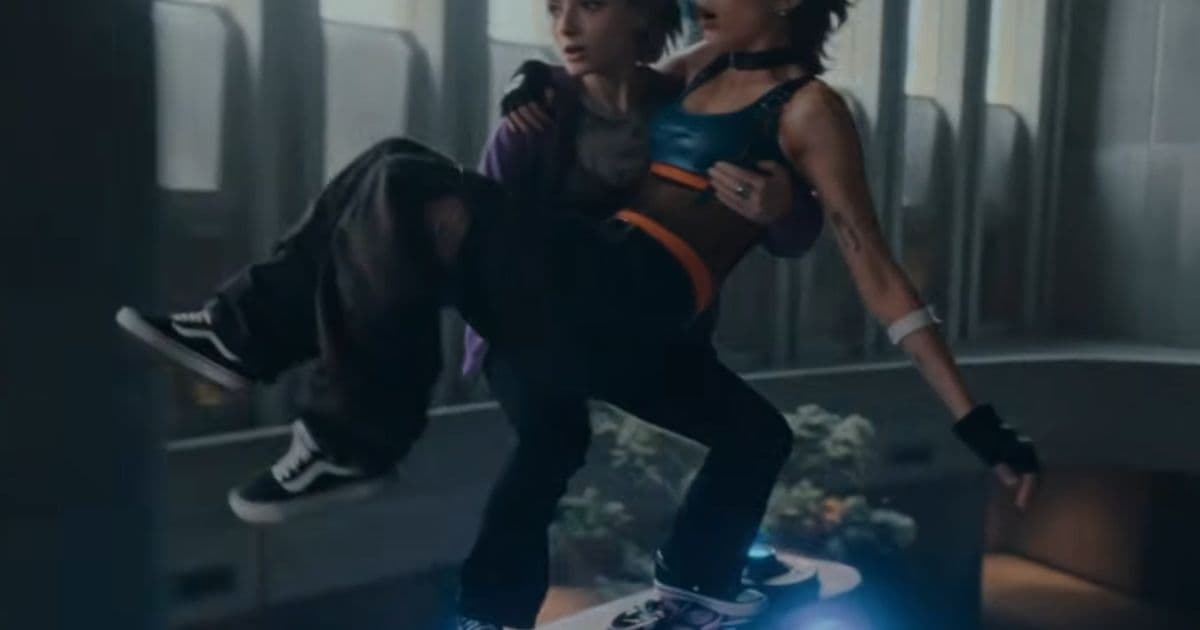
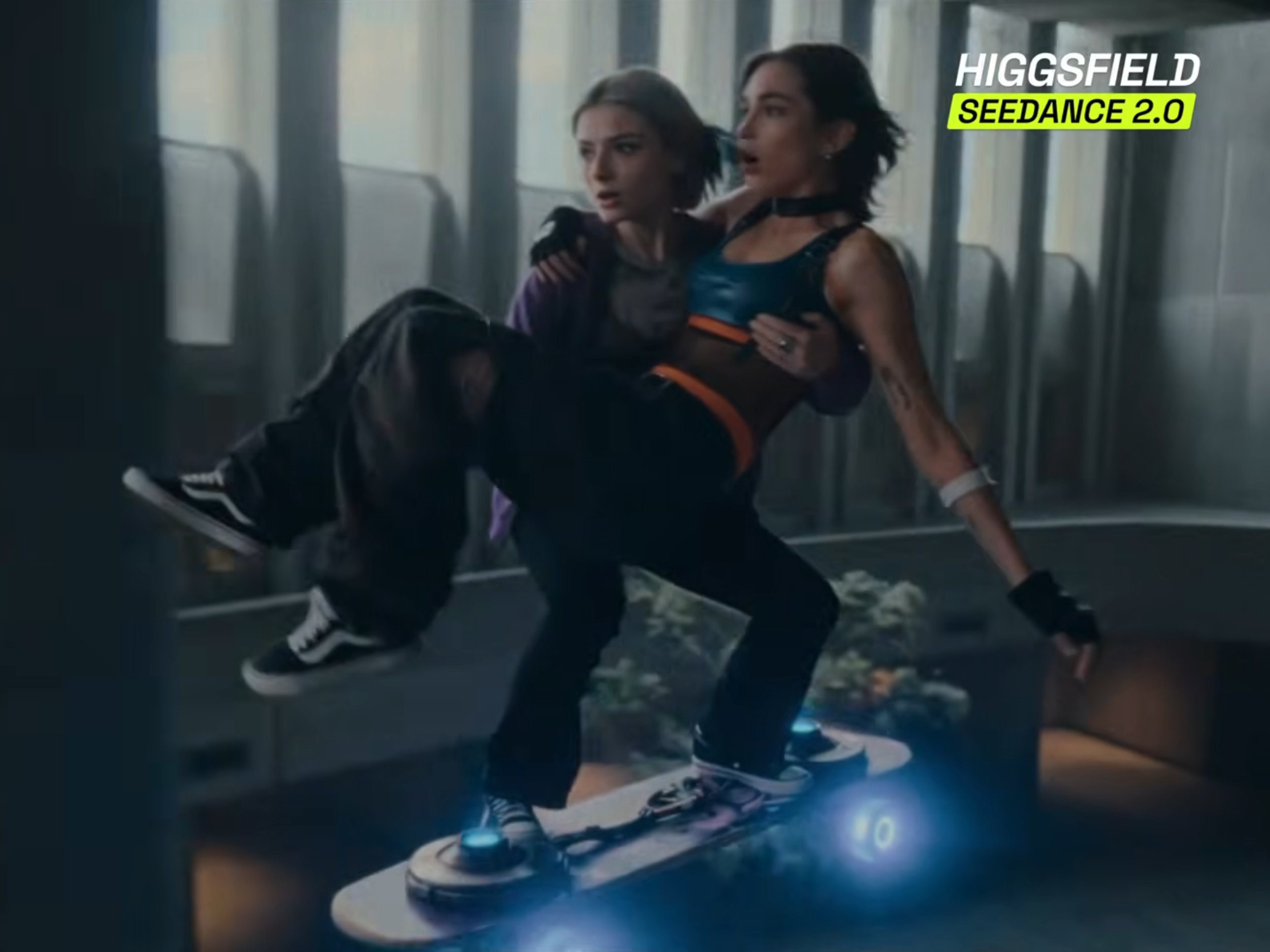
The result is a visual style that, at a glance, resembles high‑budget VFX‑heavy YouTube shorts: smooth skateboarding sequences, particle‑rich demonic portals, and decent lighting consistency across shots.
How it compares to earlier AI‑generated video attempts
| Feature | Hell Grind (Seedance 2.0) | “AI‑Movie‑Demo” (RunwayML, 2023) | Traditional indie VFX (2022) |
|---|---|---|---|
| Frame rate | 24 fps (fixed) | 15‑30 fps, variable | 24‑30 fps (real camera) |
| Character consistency | Moderate – same avatar stays recognizable across ~30 seconds, then drifts | Low – faces change every few seconds | High – actors keep continuity |
| Production time | 2 weeks (prompt‑driven) | 3‑4 months (manual editing) | 6‑12 months (shoot + VFX) |
| Cost | $500 k (cloud compute) | $1 M (mixed cloud + studio) | $2‑5 M (crew, locations) |
| Emotional depth | Minimal – AI lacks nuanced expression | Minimal – synthetic voices | |
| Post‑production effort | Light – mostly stitching |
Compared with the 2023 RunwayML demo, Hell Grind shows a clear step forward in motion smoothness and background fidelity. However, it still lags behind traditional productions in character continuity and emotional resonance.
The viewing experience – what critics are saying
- Visuals – Reviewers on Reddit and YouTube applaud the fluid skateboarding shots and the way the demonic portals blend practical lighting cues with generated particles. The AI manages to keep shadows consistent when the camera pans, a problem that plagued earlier models.
- Editing – The cuts feel abrupt; transitions are often a simple cross‑fade because the AI cannot generate a seamless bridge between disparate prompts. This results in a “choppy” rhythm that many viewers label as unfinished.
- Storytelling – The script, written by a human before feeding prompts, suffers from generic dialogue and a lack of character arcs. AI‑generated facial expressions do not convey subtle emotions, leaving the audience detached.
- Length claim – Although marketed as a 95‑minute movie, only a 22‑minute Episode 1 is publicly available. Episode 2 is gated behind a registration form that never delivers the video, turning the project into a de‑facto mini‑series.
In short, the demo succeeds as a technology showcase but fails as a finished film.
Who should watch – and why it matters for creators
- Tech enthusiasts – If you want to see how far generative video has come, the first 20 minutes are a valuable case study. The way Seedance handles motion interpolation can inform future pipelines for quick‑turn marketing videos.
- Indie filmmakers – The budget‑to‑output ratio demonstrates a potential new model: spend on compute, not on crew. However, the lack of emotional nuance means AI still needs a human director to shape performance.
- VFX studios – The demo highlights a gap: AI can generate background plates and particle effects, but reliable character continuity remains a bottleneck. Studios could integrate Seedance‑style models for pre‑visualization while retaining traditional capture for lead actors.
The bigger picture – AI video is maturing, but storytelling is still human
Hell Grind proves that a two‑week, half‑million‑dollar AI pipeline can produce watchable action sequences. The technology is now at a point where it can replace many of the rote tasks that used to require rotoscoping or stock footage. What it cannot replace yet is the intuition behind pacing, character motivation, and the subtle facial cues that make an audience care.
Future releases from Higgsfield AI (or competitors like Runway, OpenAI’s upcoming video model, and Meta’s Make‑It‑Real) will likely close the gap on continuity. Until then, projects like Hell Grind will sit at the intersection of tech demo and experimental cinema – fascinating for engineers, but still a rough ride for movie lovers.
For more on Seedance 2.0, see the official Higgsfield AI platform page and ByteDance’s research blog on video generation.
Comments
Please log in or register to join the discussion