
Apple’s WWDC keynote is set to showcase iOS 27 and a new Siri, but supply‑chain whispers suggest the event could also include fresh Mac Studio, Mac mini, Apple TV 4K, HomePod 3, and HomePod mini 2 models. Here’s what developers need to know about the possible hardware announcements and the SDK changes that would follow.
Apple’s June 3‑7 WWDC 2026 keynote has been billed as a software‑first show, with iOS 27, the next‑gen Siri, and updates to Xcode 15.3 taking center stage. Yet the rumor mill has been buzzing about five hardware items that could slip onto the stage. For developers maintaining apps across iOS, macOS, tvOS, and watchOS, the stakes are higher than a simple product launch – new silicon, new APIs, and new platform requirements can reshape release cycles.
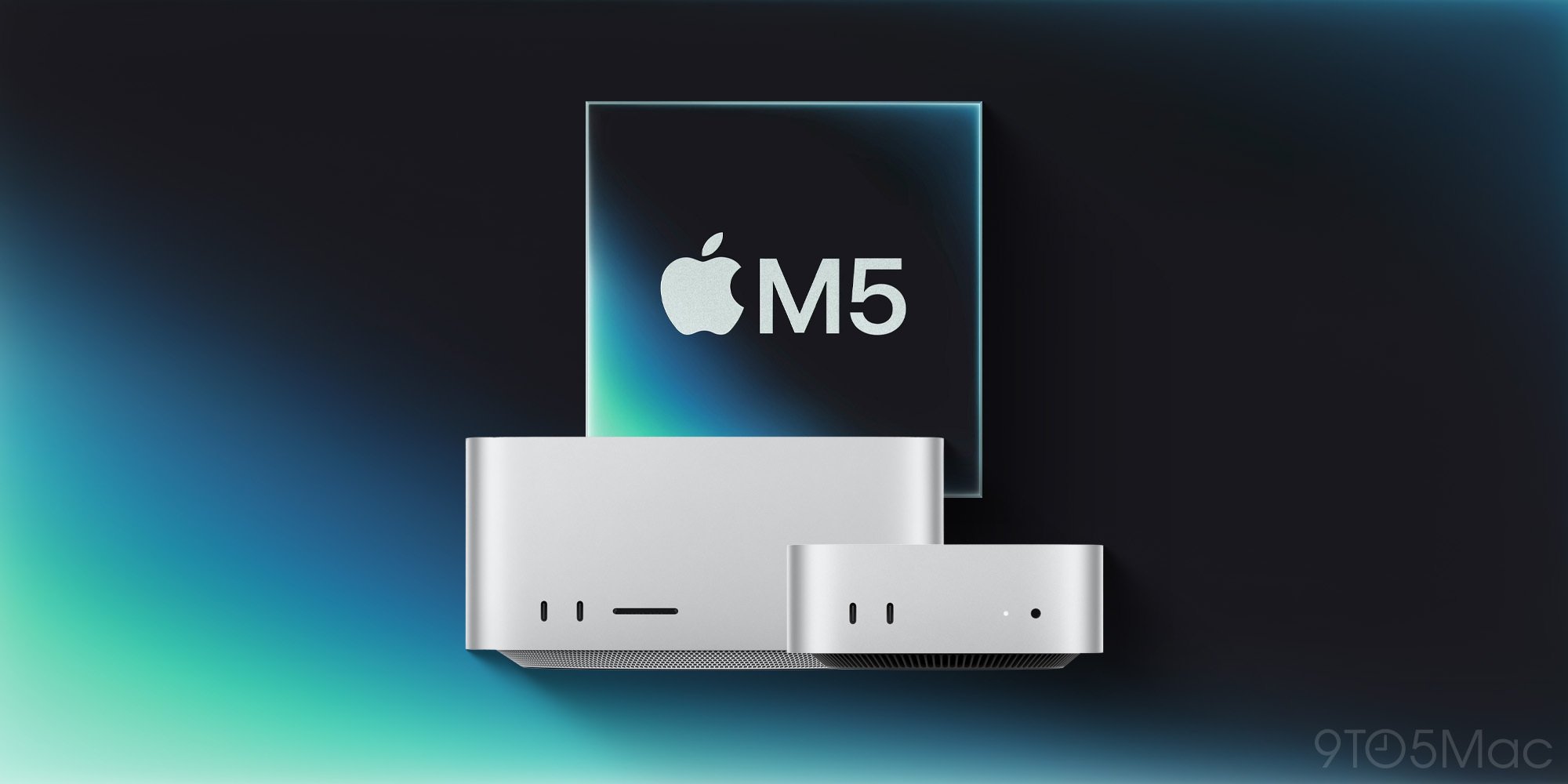
1. M5‑based Mac Studio and Mac mini
Apple’s current Mac Studio and Mac mini lines are still shipping on M2‑series silicon, but supply constraints have left many configurations back‑ordered. The next‑generation M5 chips are expected to bring a 20‑30 % uplift in CPU performance and up to 40 % boost in GPU throughput, thanks to a new 5‑nm+ process and unified memory bandwidth improvements.
Developer impact
- macOS SDK 15.0 will add
AppleSiliconPerformanceAPIs that let apps query the exact CPU generation and adjust rendering pipelines accordingly. See the official macOS SDK documentation for details. - Xcode 15.3 introduces a new Device Compatibility view, highlighting any binaries that need rebuilding for the M5 architecture (
arm64e). - Existing universal binaries that target
arm64will run unchanged, but to exploit the new GPU cores you’ll want to adopt theMetal 3.2feature set, which adds hardware‑accelerated ray‑tracing tiers.
If Apple decides to unveil the M5 models at WWDC, developers can expect a beta of macOS 15 to be released shortly after the event, giving a narrow window to test and ship updates before the hardware hits stores.
2. New Apple TV 4K (2026)
The rumored Apple TV 4K refresh is said to ship with an A17‑based processor and support for HDR10+ Adaptive. More importantly for developers, tvOS 27 will debut alongside iOS 27, sharing the same SwiftUI runtime and Vision‑based AI frameworks.
Developer impact
- tvOS SDK 27 adds
AppleIntelligenceextensions that expose on‑device machine‑learning models for content recommendation. The APIs are a superset of the iOSIntelligenceKitintroduced in iOS 27. - The new remote will include a touch‑sensitive surface, exposing
UIPressevents that map toUIHoverGestureRecognizer. This enables richer navigation schemes for games and media apps. - Existing apps built with tvOS 26 will continue to run, but Apple recommends recompiling with the new SDK to take advantage of the higher‑resolution 4K HDR output and lower‑latency audio pipelines.
Developers can start testing with the tvOS 27 beta that will be available in the WWDC Beta Program.
3. HomePod 3
Apple’s third‑generation HomePod is expected to feature a new S8 chip, a larger array of tweeters, and support for Spatial Audio with dynamic head‑tracking. The device will ship with homeOS 7, a lightweight OS layer built on top of iOS 27.
Developer impact
- The HomeKit SDK receives a new
AudioSpatialframework, allowing third‑party music services to stream binaural audio directly to the HomePod 3. - Siri’s on‑device processing will be powered by the new
SiriIntelligenceengine, exposing aSiriKitextension for custom voice intents that run locally without cloud fallback. - For developers using HomePod mini as a hub, the transition to HomePod 3 is seamless; the only change is the optional
SpatialAudiocapability flag.
4. HomePod mini 2
The updated HomePod mini is rumored to include a more efficient S7‑plus chip and a built‑in temperature sensor for smart‑home automations. While the hardware changes are modest, the device will ship with the same homeOS 7 as the HomePod 3, ensuring API compatibility.
Developer impact
- The new temperature sensor is exposed via the
HomeKitTemperatureAPI, letting apps trigger automations based on ambient conditions. - Battery‑life optimizations in the S7‑plus allow longer periods of offline operation for HomeKit bridges, which can be leveraged by developers building resilient smart‑home solutions.
5. The “HomePad” (HomePod Touch) – slated for later in 2026
Although the HomePad is expected to launch in the fall, the WWDC announcements could tease the device’s software capabilities. It will run iPadOS 17 on the same A17 chip as the Apple TV 4K, blurring the line between home‑entertainment and productivity.
Developer impact
- iPadOS 17 introduces Universal Control for Home Devices, letting developers create cross‑device experiences where a single UI can control both an iPad and HomePod mini 2.
- The device will support Apple Intelligence on‑device models, meaning developers can embed custom ML models via the
CoreMLframework without additional latency.
Migration checklist for developers
- Update Xcode – Install Xcode 15.3 before the WWDC keynote to access the latest SDK previews.
- Add new platform targets – In your project settings, add macOS 15, tvOS 27, and homeOS 7 as deployment targets where appropriate.
- Test universal binaries – Run your app on the M5‑based Mac Studio (or the M5‑compatible Mac mini simulator) to catch any architecture‑specific issues.
- Adopt new APIs – Replace legacy audio pipelines with
AudioSpatialfor HomePod 3, and integrateAppleIntelligencefor Siri‑driven features. - Submit updated builds – Aim to have your app’s next release on the App Store before the hardware ships, ensuring users get the best experience from day one.
If Apple does surprise the WWDC audience with any of these products, the ripple effect will be felt across the entire Apple ecosystem. Developers who plan ahead—updating toolchains, testing on the new simulators, and embracing the fresh APIs—will be ready to deliver polished experiences the moment the hardware lands in stores.
For more details on the upcoming SDKs, see Apple’s developer documentation. The WWDC schedule and beta releases are tracked on the official WWDC 2026 page.
Comments
Please log in or register to join the discussion