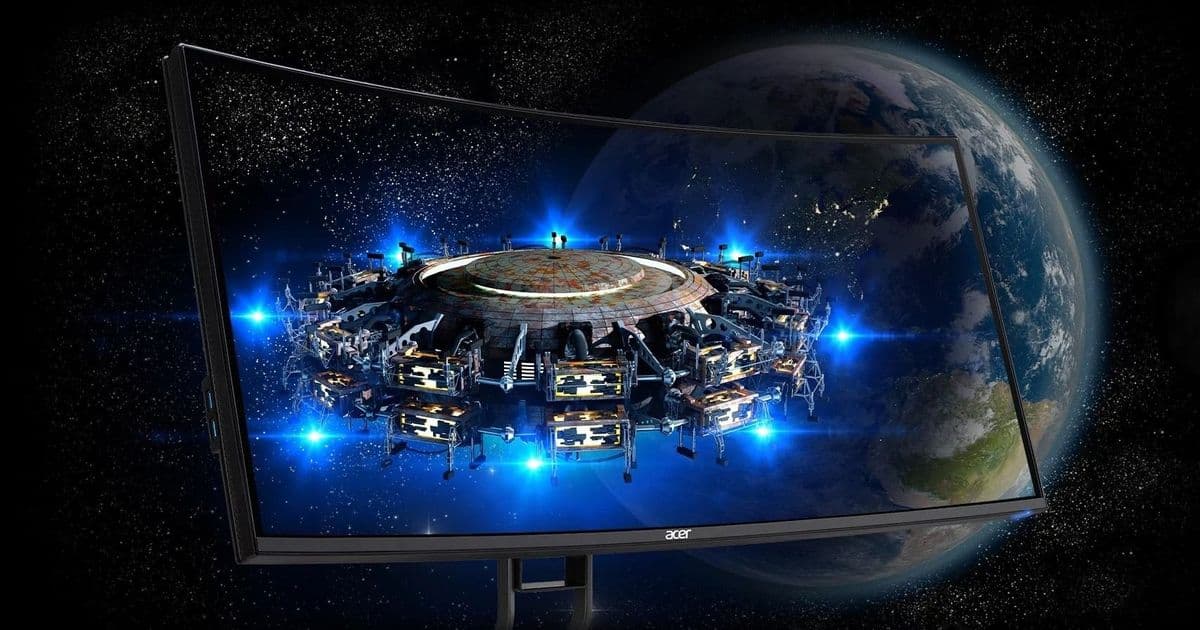
At Computex 2026 Acer unveiled five new gaming monitors: a 27‑inch 1,000 Hz eSports display, a 34‑inch Mini‑LED 5K VA panel, a 31.5‑inch 5K IPS model, and two Predator units featuring glasses‑free 3D and the brand’s first QD‑OLED screen. The specs push refresh‑rate limits, introduce higher‑density Mini‑LED backlighting, and signal Acer’s continued bet on immersive 3D and OLED technology, with implications for GPU demand and premium monitor pricing.
Announcement
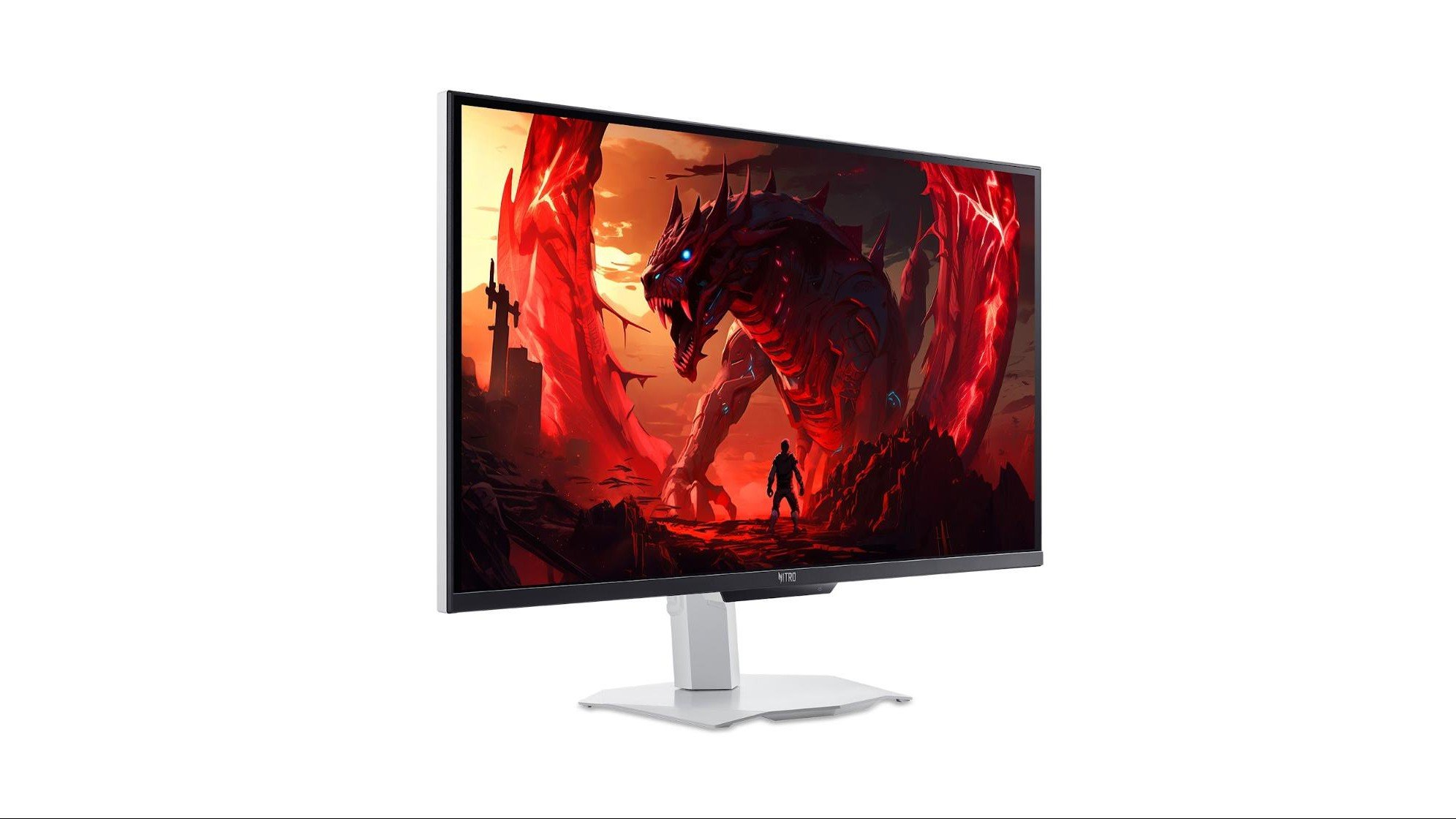
Acer used its Computex showcase to roll out five new gaming monitors across the Nitro and Predator families. The headline is the 27‑inch Nitro XV273U F5, which can hit 1,000 Hz when the resolution is dropped to 720p via Dynamic Frequency and Resolution (DFR). The rest of the lineup includes a 34‑inch Mini‑LED 5K VA panel, a 31.5‑inch 5K IPS model, a 27‑inch 4K glasses‑free 3D Predator, and Acer’s first QD‑OLED Predator monitor.
Technical specifications
Nitro XV273U F5 – 27‑inch eSports extreme
- Panel: IPS, 2560 × 1440 (native) – 540 Hz at QHD, 1,000 Hz at 1280 × 720 with DFR
- Brightness: 400 nits typical, 800 nits peak HDR
- Connectivity: 2 × HDMI 2.1, 1 × DisplayPort 1.4, 1 × USB‑C (65 W PD)
- Adaptive sync: AMD FreeSync Premium, NVIDIA G‑Sync compatible
- Power draw: ~45 W at 540 Hz, ~60 W at 1,000 Hz (requires a high‑end GPU to sustain >500 fps)
The 1,000 Hz claim is only achievable at 720p, a resolution that was common in the early 2000s. Nonetheless, the monitor demonstrates that panel manufacturers can push pixel‑clock rates beyond 1 GHz, a figure that will force GPU vendors to revisit their memory bandwidth and rasterization pipelines.
Nitro XV345CKR P – 34‑inch Mini‑LED 5K VA
- Panel: VA, 5120 × 2160, Mini‑LED backlight with 1,344 local‑dimming zones
- Contrast ratio: 4,000:1 (native), expected >10,000:1 with HDR
- Refresh rates: 180 Hz native, 360 Hz at 2560 × 1080
- Brightness: 500 nits typical, 1,000 nits peak HDR
- Ports: 2 × HDMI 2.1, 1 × DisplayPort 1.4, 1 × USB‑C (65 W)
The Mini‑LED implementation gives the VA panel a contrast advantage over traditional IPS, while the high dimming‑zone count helps mitigate blooming in HDR gaming titles.
Nitro XV320QX – 31.5‑inch 5K IPS for creators
- Resolution: 5120 × 2880 (5K) at 165 Hz native
- DFR boost: 330 Hz at 2560 × 1440
- Color gamut: 95 % DCI‑P3, 10‑bit panel
- Brightness: 350 nits typical
- Ports: 2 × HDMI 2.1, 1 × DisplayPort 2.1
Targeted at both gamers and content creators, the XV320QX balances pixel density (≈200 ppi) with a refresh‑rate ceiling that remains practical for modern GPUs.
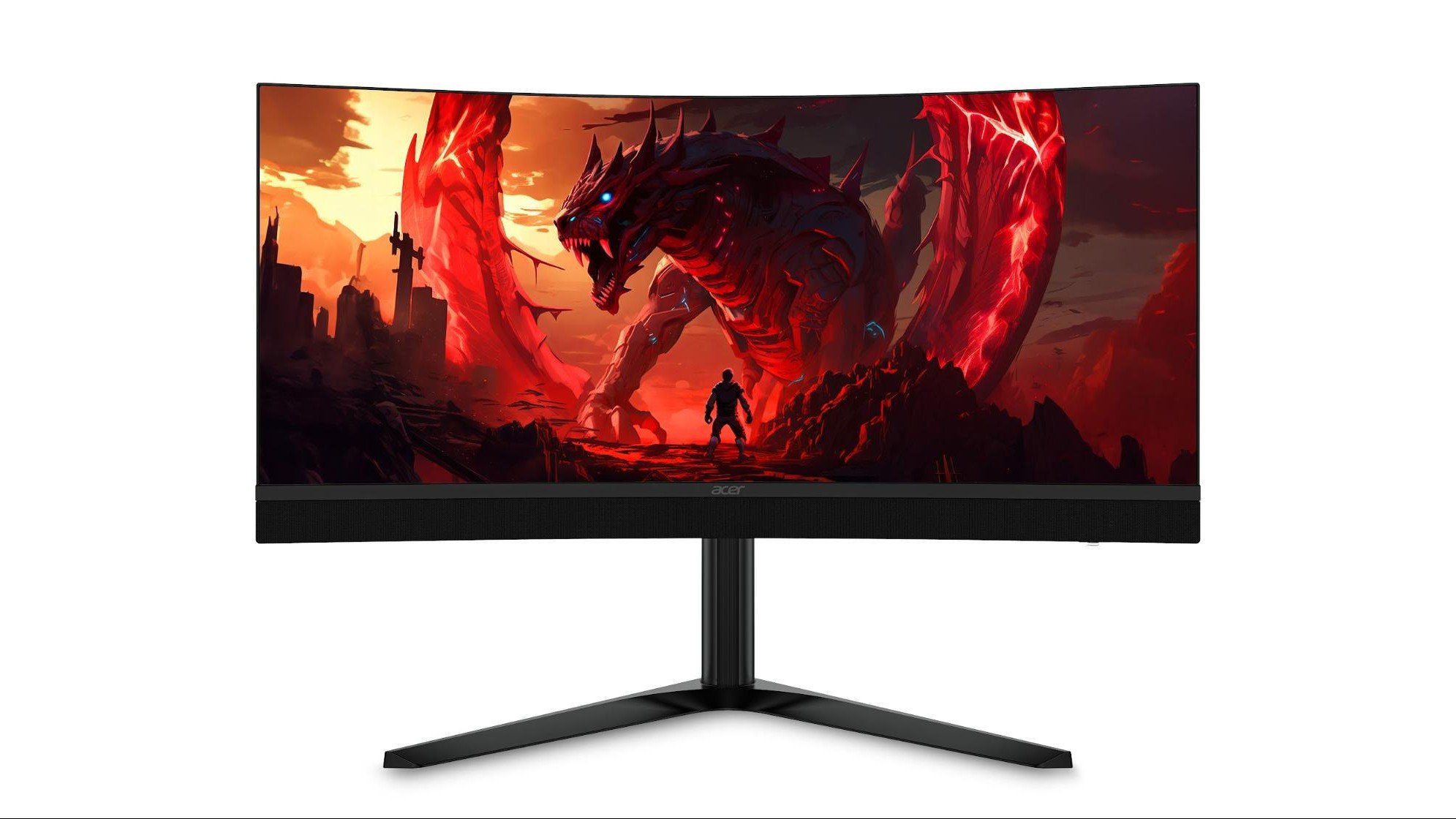
Predator XB273K – Glass‑free 3D 4K
- Panel: IPS, 3840 × 2160, 160 Hz (180 Hz with 3D mode)
- 3D tech: SpatialLabs glasses‑free eye‑tracking, AI‑assisted 2D‑to‑3D conversion
- Brightness: 400 nits typical, 600 nits peak HDR
- Sync: FreeSync Premium, G‑Sync compatible
- Ports: 2 × HDMI 2.1, 1 × DisplayPort 1.4, USB hub
Acer continues to push glasses‑free stereoscopic displays despite mixed market reception. The 180 Hz 3D mode is the highest refresh rate offered for a glasses‑free 4K panel.
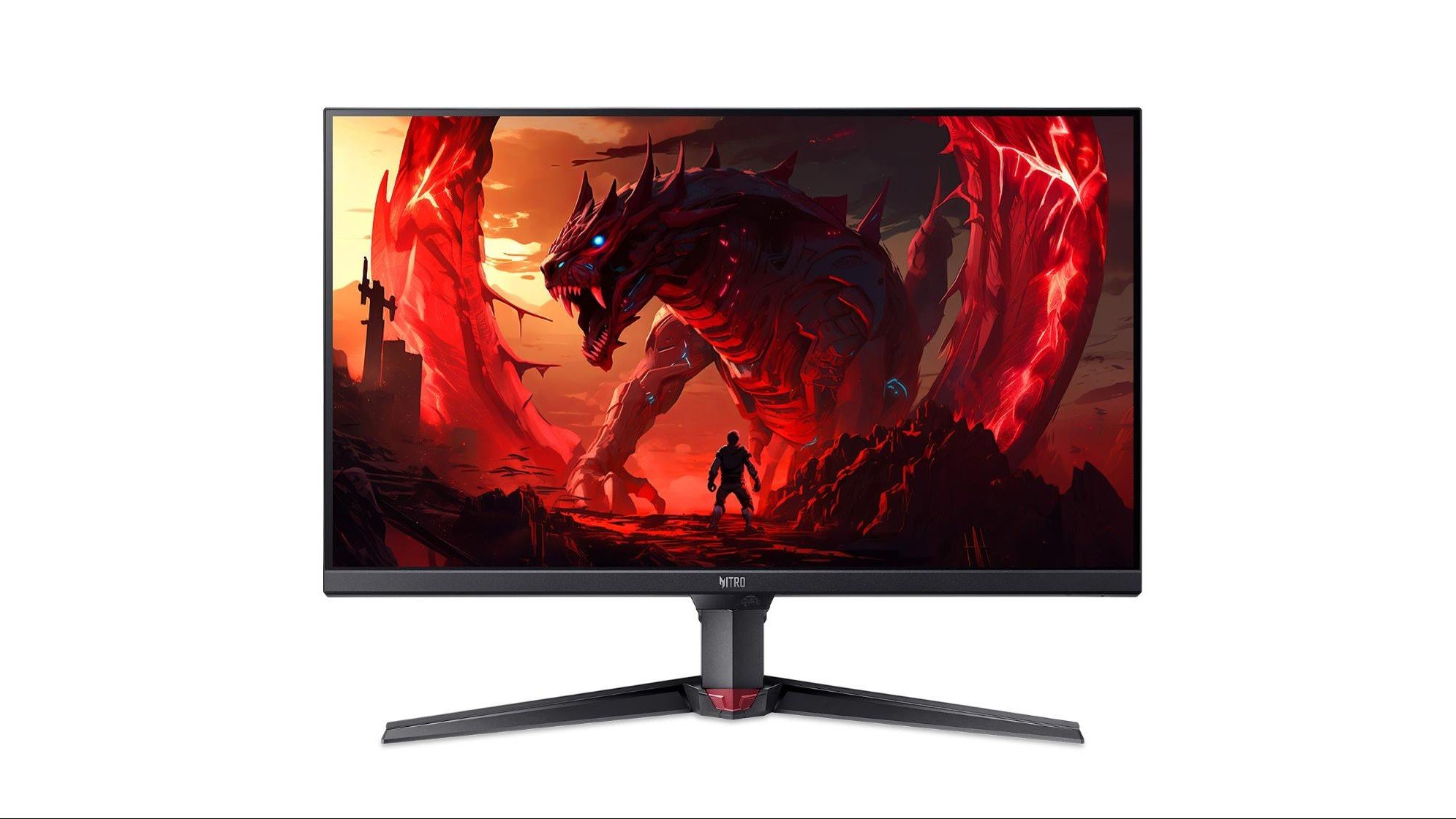
Predator X34 F1 – QD‑OLED flagship
- Panel: 34‑inch QD‑OLED, 3440 × 1440, 1800R curvature
- Refresh rate: 330 Hz, 0.03 ms gray‑to‑gray response
- HDR: VESA DisplayHDR 400, 1,300 nits peak
- Color: 100 % DCI‑P3, built‑in quantum‑dot layer for wider gamut
- Sync: FreeSync Premium Pro, G‑Sync compatible
- Ports: 2 × HDMI 2.1, 2 × DisplayPort 1.4, 1 × USB‑C, USB hub
This is Acer’s first OLED monitor and the first QD‑OLED panel aimed at gamers. The combination of 330 Hz and sub‑0.03 ms response time puts motion blur well below the perception threshold for most users.
Market implications
- GPU‑monitor bandwidth race – The 1,000 Hz mode forces GPUs to deliver >2 GHz pixel clocks for a 720p stream, a regime where memory bandwidth becomes a bottleneck. Nvidia’s upcoming Ada‑Lovelace‑2 and AMD’s RDNA 4 refresh‑rate extensions will need to support higher DisplayPort/HDMI link rates (up to 48 Gbps) to keep pace.
- Premium pricing pressure – All five models launch in Q2 2026 with MSRP ranging from $699 (Nitro XV273U F5) to $1,299 (Predator XB273K). The QD‑OLED X34 F1 sits at the top end of the high‑refresh‑rate market, challenging Samsung’s Odyssey G9 (240 Hz) and LG’s UltraGear 27GR95QE (240 Hz OLED).
- Supply‑chain considerations – Mini‑LED backlights with >1,000 dimming zones require complex binning and yield management, potentially limiting early‑year availability. OLED panel shortages, already affecting smartphone production, could constrain the X34 F1’s rollout.
- Niche vs. mainstream adoption – While 1,000 Hz is technically impressive, the resolution trade‑off limits its appeal to a narrow eSports segment that can field GPUs capable of >500 fps at 720p. Conversely, the 5K Mini‑LED and QD‑OLED models address broader enthusiast and creator markets that value image fidelity over raw refresh.
- Strategic positioning – Acer’s simultaneous push of 3D, ultra‑high refresh, and OLED indicates a diversification strategy: capture high‑end gamers with the X34 F1, retain the 3D niche with the XB273K, and chase the eSports crown with the 1,000 Hz Nitro. This spread reduces reliance on any single technology trend.
Overall, Acer’s Computex announcements raise the performance ceiling for gaming monitors while highlighting the growing interdependence between display innovation and GPU capability. Early adopters will likely be professional eSports teams and content creators willing to pay a premium for the newest panel tech, while mainstream gamers will wait for price drops and broader GPU support.
Comments
Please log in or register to join the discussion