A Harlow‑based IT firm, Akhter Computers, has secured a £322,000 contract to develop and test facial‑analysis software that will estimate the age of unaccompanied asylum seekers at UK borders. The tool is intended to help officials spot adults posing as children, but human‑rights groups warn that unproven AI could jeopardise vulnerable migrants’ protections.
Akhter Computers – the tech partner
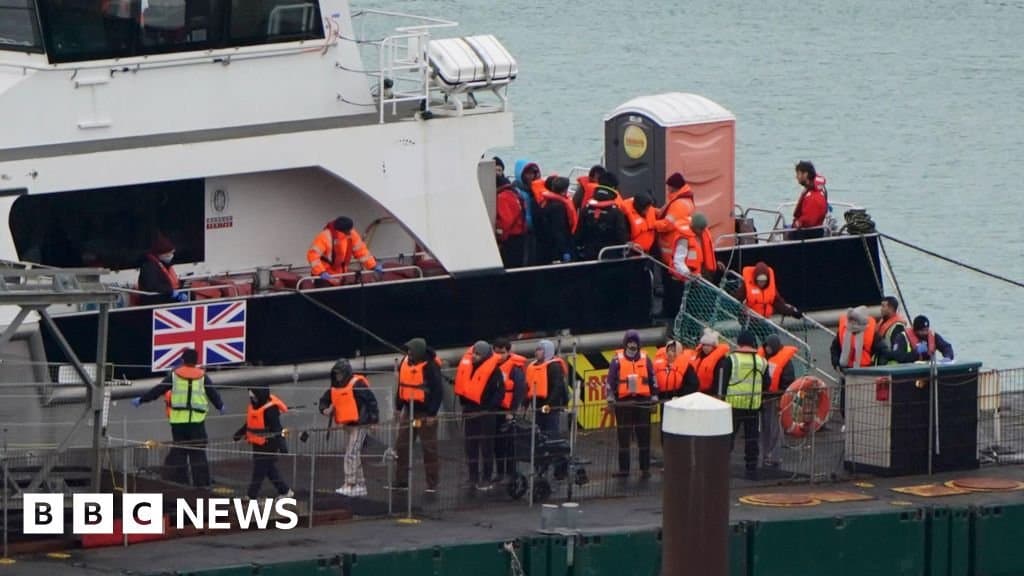
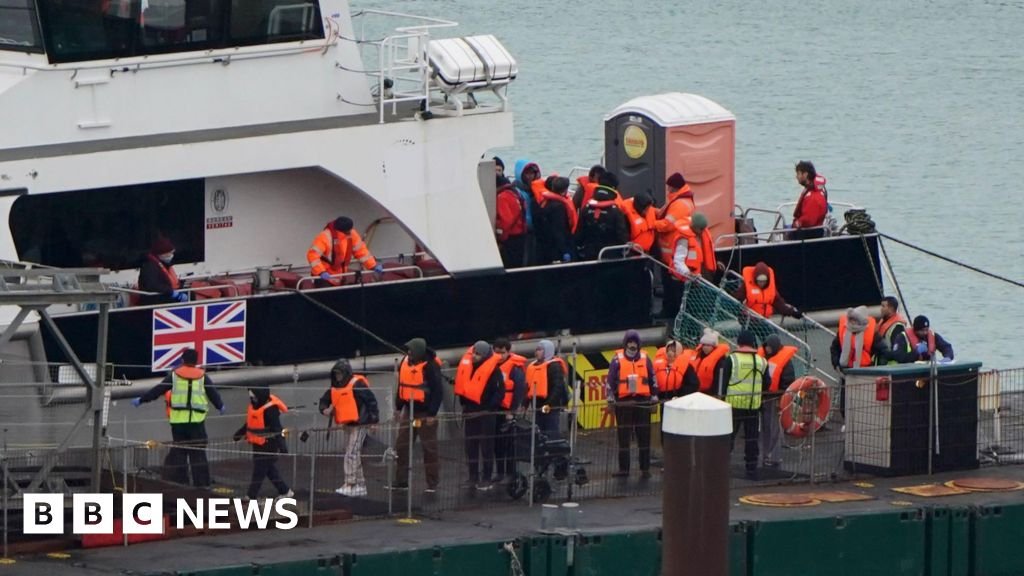
Akhter Computers Ltd, a small IT supplier based in Harlow, has been awarded a three‑year contract by the Home Office to build and trial an artificial‑intelligence system that predicts a person's age from a passport‑style photograph. The deal is worth £322,000 and includes a development phase, a limited field test at the Western Jet Foil processing centre in Dover, and a hand‑over to border officers for use from mid‑2027.
The company’s public website lists a portfolio of custom image‑processing tools for the public sector, but this is its first foray into migration‑related software. In a brief statement, Akhter’s founder, Shahid Akhter, said the project “offers a data‑driven supplement to the existing visual checks that officers already perform”.
The problem the AI is meant to solve
UK border officials currently rely on a mix of document checks, visual assessment of appearance and demeanour, and, in rare cases, medical imaging to decide whether an unaccompanied migrant is a child. The Home Office reports that in the year to March 2026 more than 6,400 age‑disputed cases were examined, and 43 % of those were later classified as adults. When an adult is mistakenly treated as a child, they receive housing, education and legal support intended for vulnerable minors; when a child is misidentified as an adult, they lose access to those safeguards.
The government argues that a consistent, algorithmic estimate could reduce the “subjectivity” of current assessments and free up social‑work resources for cases where age is genuinely uncertain. The AI model will be trained on a large, ethnically diverse dataset of facial images, aiming to predict age within a margin of error that the Home Office deems acceptable for operational use.
Funding, timeline and traction
The £322,000 contract covers software development, integration with the Home Office’s existing border‑control system, and a pilot phase that will involve up to 500 live cases at the Dover centre. If the pilot meets the department’s internal performance thresholds, the system could be rolled out to other processing sites by 2028.
Early internal testing, conducted on a static image set supplied by the Home Office, showed “promising performance and accuracy”, according to a statement released by the department. Those results have not yet been applied to live decisions, and the Home Office emphasizes that the AI will act only as an additional tool, not a replacement for human judgment.
Reactions from the sector
Human‑rights organisations have been quick to criticize the move. Anna Bacciarelli, senior AI researcher at Human Rights Watch, called the approach “deeply flawed” and warned that facial‑age estimation has never been validated in refugee processing contexts. The British Association of Social Workers echoed similar concerns, arguing that age assessment is a complex, multidisciplinary task that cannot be reduced to a single biometric score.
From the government’s side, Border Security Minister Alex Norris framed the contract as a cost‑effective way to curb “false age claims that divert vital support away from children at risk”. The Home Office also noted that the technology will be evaluated for bias across gender and ethnicity before any broader deployment.
What comes next?
The next milestone will be the Dover pilot, scheduled for early 2025. During that phase, border officers will receive a confidence score from the AI alongside their own visual assessment. The Home Office has pledged to publish a post‑pilot report detailing error rates, demographic breakdowns, and any instances where the AI’s recommendation conflicted with human judgment.
If the system proves reliable, it could become a standard part of the UK’s asylum‑processing toolkit, potentially influencing how other European states handle age‑disputed claims. However, the ongoing debate highlights a broader tension: the desire for efficient, data‑driven solutions versus the need to protect vulnerable individuals from decisions made by imperfect technology.
This article is based on publicly available contract notices, statements from the Home Office, and commentary from human‑rights groups and professional bodies.
Comments
Please log in or register to join the discussion