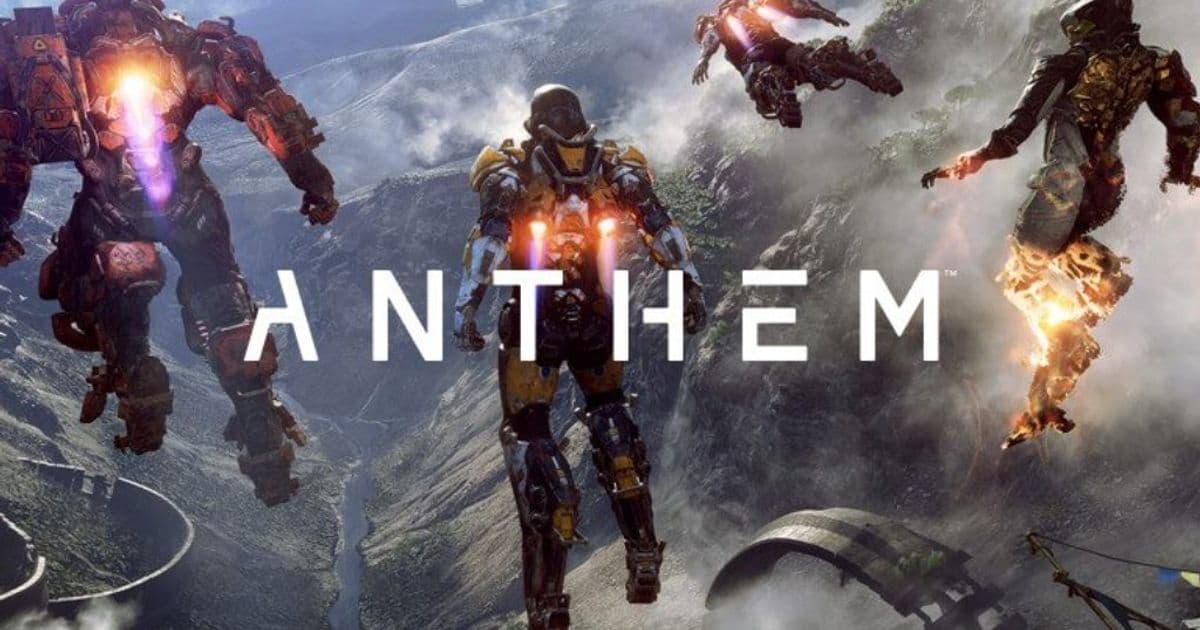
Former BioWare executive producer Mike Darrah argues that Anthem's failure was a necessary risk for a studio that has consistently evolved, challenging critics who believe BioWare should stick to single-player RPGs.
Former BioWare executive producer Mike Darrah has publicly defended the studio's decision to develop Anthem, calling it a necessary risk despite its ultimate failure. In a recent interview with YouTuber Destin Legarie, Darrah pushed back against critics who argue BioWare should have never attempted the ambitious live-service shooter.
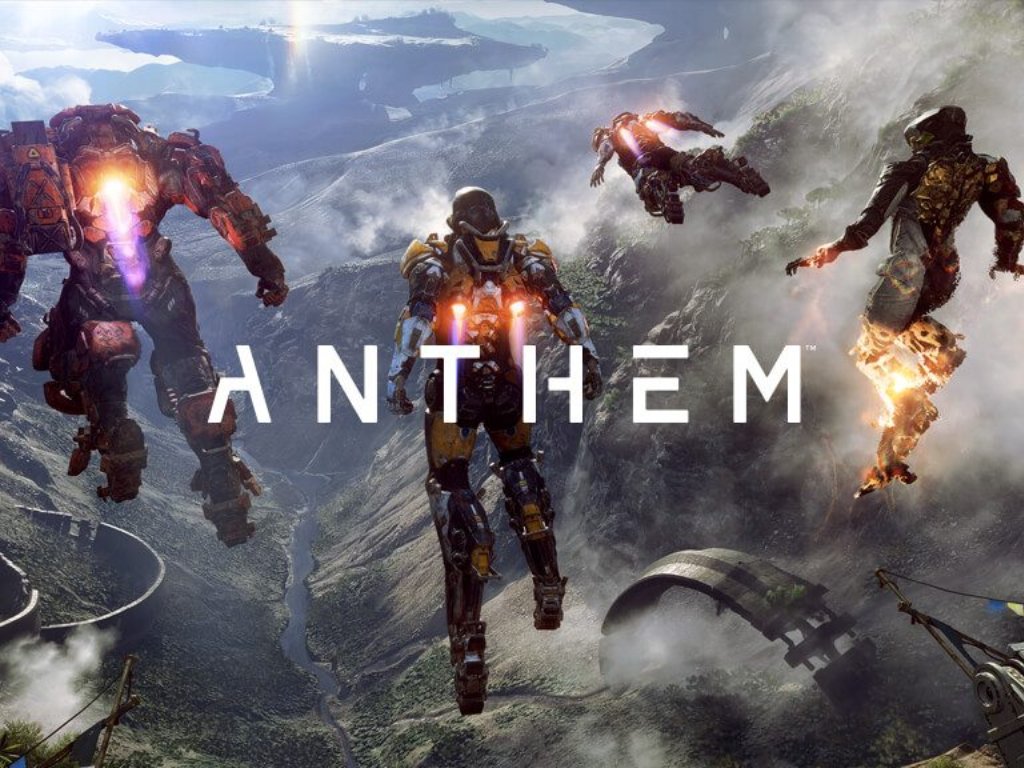
Darrah's comments come in the wake of Anthem's server shutdown in January 2026, seven years after its 2019 launch. The game, which was BioWare's first foray into the live-service model, struggled with technical issues and mixed reviews, leading EA to halt updates in 2021. Now, with the servers permanently offline, the game is effectively unplayable.
A Defense of Studio Evolution
In the 40-minute interview, Darrah directly addressed the narrative that BioWare, known for single-player RPGs like Dragon Age and Mass Effect, had no business making a multiplayer-focused game.
"I think it's easy to blame EA. And certainly they deserve a bunch of blame for Anthem, but it's not their fault," Darrah stated. He then challenged the idea that the studio should have stayed in its comfort zone.
"There are some people that... loved coming out of the woodwork and saying 'see, I told you so' and saying 'well, BioWare should have never made Anthem because they are a single-player RPG studio.'"
Darrah countered this by pointing to BioWare's own history of transformation. "My feeling is that BioWare has always been changing. I mean, by that argument, we should never have made Neverwinter Nights because we were a 2D RPG maker. We should never have made Mass Effect because we were a tactical RPG maker, not an action RPG maker."
He concluded, "So, I don't think these arguments carry much weight with me. To me, it's like, yeah, your studios evolve, and they try new things."
Was Anthem Too Big a Reach?
While defending the decision to take the risk, Darrah did not shy away from the game's shortcomings. He acknowledged that Anthem was an ambitious project that ultimately failed to meet expectations.
"And was Anthem too big a reach? Yeah, for sure," he admitted. "But could you tell at the time? I don't know that you could."
Anthem launched as a third-person, online multiplayer action RPG where players pilot Javelin exosuits in a shared world. It was marketed as a blend of BioWare's storytelling prowess with Destiny-like gameplay loops. However, the final product was criticized for a lack of content, repetitive missions, and technical problems that hampered the experience.
The game's failure was particularly notable given BioWare's pedigree. The studio had built its reputation on deep, narrative-driven single-player experiences. Anthem represented a significant departure, requiring a different set of design and technical skills focused on persistent online worlds and live-service content pipelines.
The Broader Context of Live-Service Gaming
Anthem's story reflects a broader trend in the gaming industry during the late 2010s, where publishers and developers saw live-service games as the future. Titles like Destiny, The Division, and Fortnite demonstrated the potential for sustained revenue through ongoing content updates and microtransactions.
However, the market proved difficult to crack. Many high-profile live-service games, including Anthem, Marvel's Avengers, and Babylon's Fall, failed to retain player bases and were eventually shut down. The model requires continuous investment in content, community management, and technical support, and even established studios struggled to meet the demands.
BioWare's experience with Anthem likely informed its subsequent approach. The studio returned to its roots with Dragon Age: The Veilguard, a single-player RPG, and continues to develop the next Mass Effect. However, the lessons from Anthem's development and failure may still influence future projects.
The Legacy of Anthem
For Darrah, the decision to make Anthem was about pushing the studio forward, even if it resulted in a failure. He views it as part of BioWare's DNA to experiment and evolve, a philosophy that has driven the studio's success for decades.
While Anthem will be remembered for its commercial and critical shortcomings, Darrah's defense offers a different perspective: that creative risk is essential for growth, and that even failed experiments can provide valuable lessons. The game's servers may be offline, but the conversation about its place in BioWare's history is far from over.
For those interested in the full context, Darrah's interview with Destin Legarie provides a detailed, 40-minute look into the development and legacy of Anthem. The conversation follows a nearly four-hour post-mortem video released last week, offering one of the most comprehensive retrospectives on the game to date.
Comments
Please log in or register to join the discussion