
Garmin's Edge cycling computers now automatically track how far and how long you've used your gear, from chains and tires to running shoes, with alerts before parts wear out. It's a small software addition with real cost and safety implications for anyone who actually rides hard.
Garmin is pushing a new gear tracking feature to its Edge cycling computers, and it addresses a problem most riders solve badly: knowing when a component is worn out before it fails or ruins something more expensive. The feature logs distance, hours, and days of use for individual pieces of equipment, then warns you as items approach the end of their useful life.
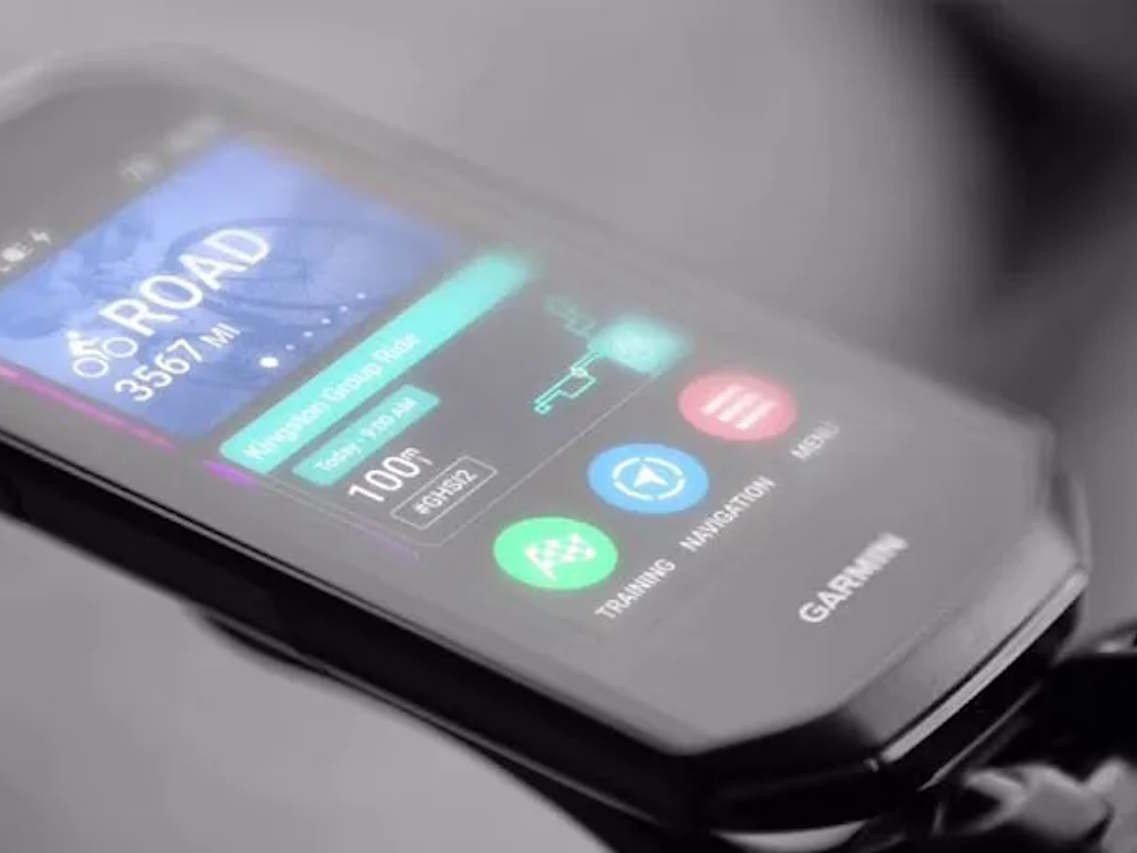
What's new
The Edge lineup already handles navigation and real-time training management, so the hardware was never the limitation here. This is a software rollout that taps activity data the devices were already collecting. During a ride, gear usage is logged automatically against whatever components you've assigned: a bike, a specific chain, a cassette, a pair of tires, or running shoes if you cross-train.
You set everything up in Garmin Connect, where you add components and define maintenance or replacement intervals. Once an item crosses your threshold, the system flags it. According to user reports the feature is already live and functioning, though at least one user has criticized the rollout for poor communication and a lack of instructions, which tracks with how Garmin tends to ship features quietly and let the community document them.
You can buy the Edge cycling computers on Amazon, and the tracking applies across the supported range rather than being locked to a single flagship model.
How it compares
Third-party services have done component tracking for years. Strava surfaces gear mileage, and dedicated apps like ProBikeGarage exist specifically to nag you about chain wear. The difference with Garmin's implementation is that the data originates on the device you already mount to your handlebars, so there's no manual logging and no syncing a separate ecosystem. If you live in Garmin Connect already, the friction drops to near zero.
What Garmin still doesn't do is measure actual wear. A chain checker tool costs a few dollars and tells you physical elongation directly; mileage is only a proxy. Riding conditions matter enormously here. A chain run in wet, gritty winter conditions can be finished in 1,500 km, while a meticulously cleaned and waxed chain might last 8,000 km or more. The feature gives you a counter, not a measurement, so treat the interval as a reminder to inspect rather than a hard verdict.
Why the drivetrain math matters
The strongest argument for this feature is financial, and it centers on the chain-cassette relationship. A worn chain develops slack between its links, and that stretched pitch no longer meshes cleanly with the cassette teeth. Ride it long enough and the chain grinds the cassette into a matching worn profile. Replace the chain alone at that point and it skips, because the new chain doesn't fit the damaged cassette anymore.
The cost asymmetry is the whole point. On high-end groupsets, a cassette can cost three to five times what a chain costs. Catching chain wear early means you swap a cheap part and preserve the expensive one. Miss the window and you're replacing both, plus potentially the chainrings. On budget drivetrains the calculus flips: components are cheap enough that running the entire system to failure and replacing it as a set can be the rational choice. The feature is most valuable to riders sitting on expensive transmissions.
There's a safety dimension too. Tires degrade with age and mileage regardless of tread, and a drivetrain or brake component serviced on schedule is less likely to fail mid-ride. Material fatigue doesn't announce itself, so a logged hour count is a reasonable trigger to inspect parts that could otherwise let go at a bad moment.
Who it's for
This lands squarely for committed cyclists who already own an Edge and rack up serious mileage across multiple bikes or components. If you're tracking a winter trainer bike, a summer race bike, and a gravel setup, manual mileage bookkeeping is exactly the kind of chore that quietly slips, and that's where worn cassettes and dead tires sneak up on you. Casual riders who put a few hundred kilometers on a single bike per year will get less from it, since their replacement intervals stretch across years anyway.
The feature won't replace a chain wear gauge or a careful pre-ride inspection, and anyone treating the mileage counter as gospel will eventually get burned by conditions it can't see. As a prompt to look at your equipment before it becomes a problem, though, it's a sensible addition that costs Garmin owners nothing and could save them a cassette.
Comments
Please log in or register to join the discussion