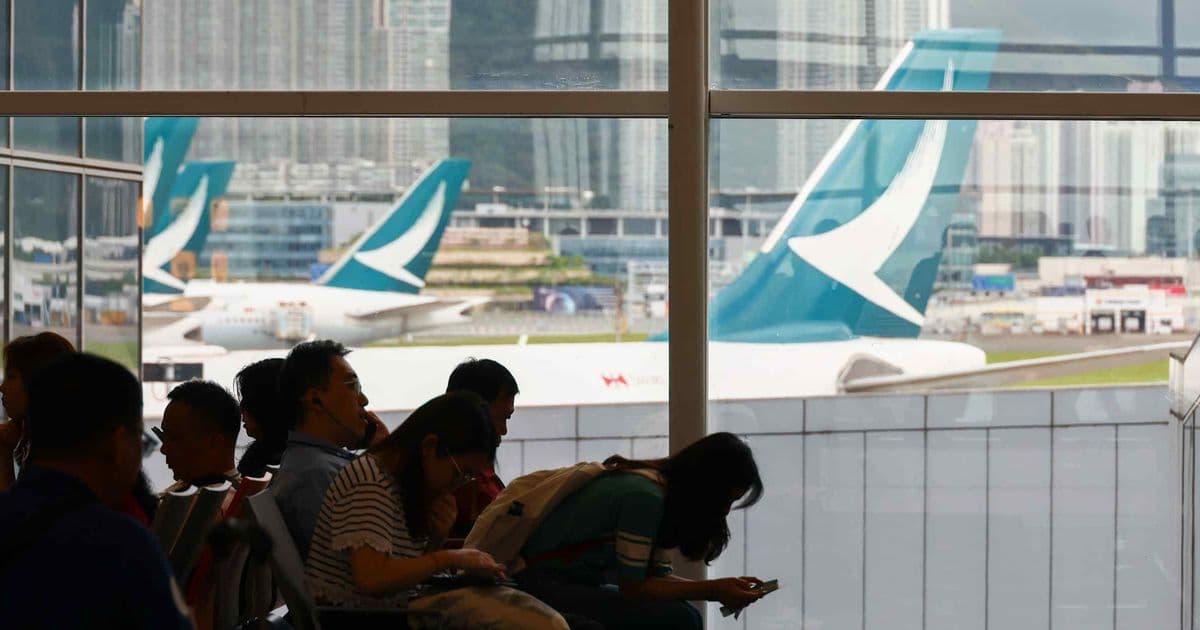
Swire Pacific is tapping a zero-coupon convertible bond to raise roughly $600 million, with the catch that bondholders can swap the paper for nearly 6% of Cathay Pacific. The structure lets the conglomerate pull cash out of its airline holding without an outright sale, a maneuver that says as much about Hong Kong's financing climate as it does about Cathay's recovery.
Swire Pacific, the Hong Kong conglomerate that controls Cathay Pacific Airways, said on June 10 it will raise about $600 million by issuing a bond exchangeable into shares of the carrier. The instrument carries zero interest, and if fully converted it would transfer close to 6% of the airline to bondholders.
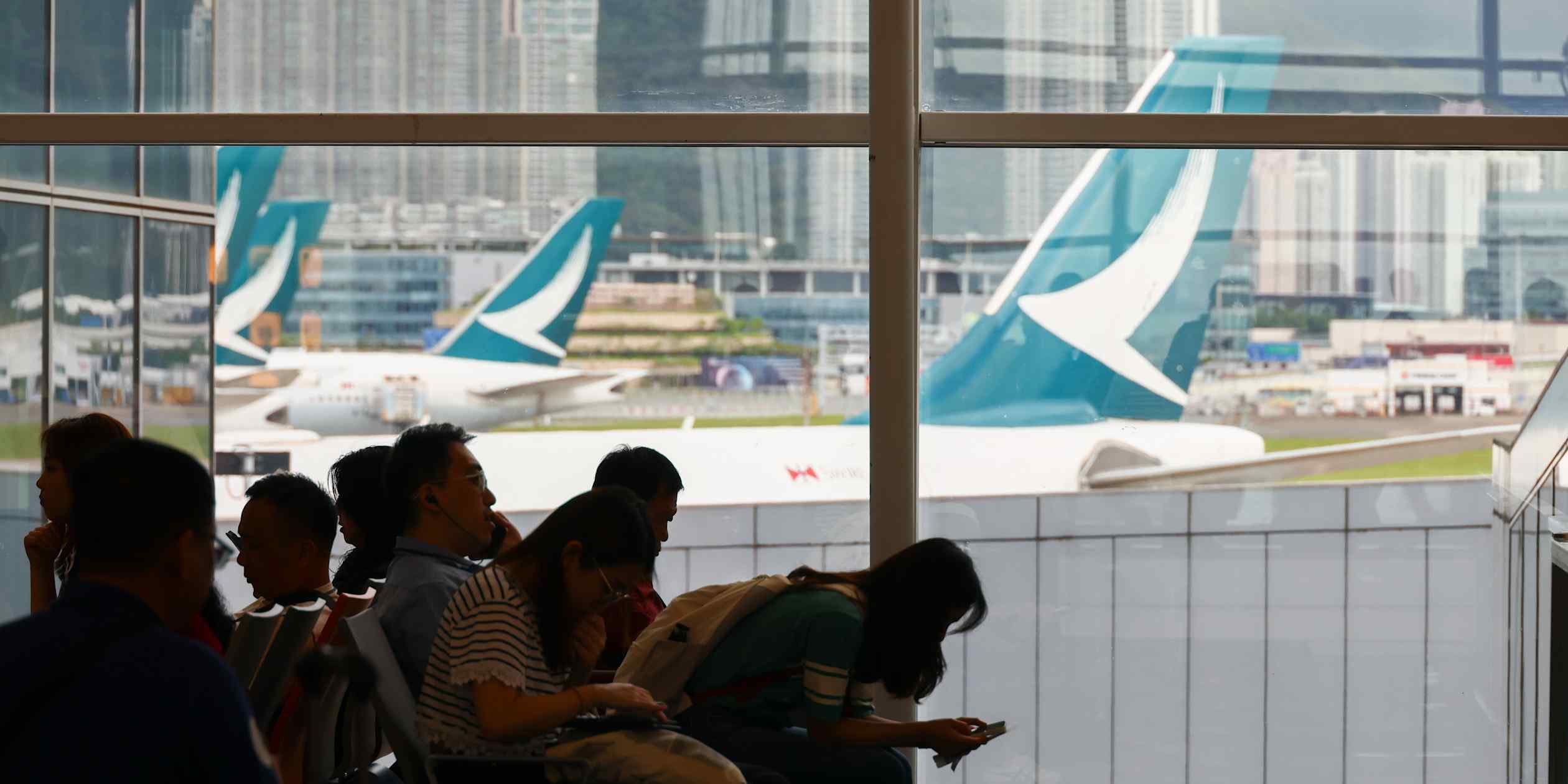
The mechanics are worth unpacking because they explain why Swire chose this route over a plain equity placement or a straight loan. An exchangeable bond is debt issued by one company, Swire, that converts not into Swire's own shares but into shares of a different entity it owns, in this case Cathay. Investors buy the bond, Swire gets the cash up front, and the lenders accept no coupon in exchange for the option to convert into Cathay stock at a premium to today's price. If Cathay shares climb past the conversion threshold, bondholders take equity and Swire effectively sells down its stake at a price set well above the current market. If the shares stay flat or fall, the bond is repaid in cash at maturity and Swire keeps its holding intact.
The zero-coupon structure is the tell. Swire is borrowing $600 million and paying no annual interest on it, a cost of capital that would be unthinkable in a normal lending market. The lenders are compensated entirely by the embedded call option on Cathay shares. That arrangement only works when the underlying stock has enough perceived upside and volatility to make the conversion right valuable. It signals that institutional buyers see room for Cathay's equity to appreciate, even as Swire signals it is comfortable monetizing part of that position rather than holding for the full ride.
Why Swire is pulling cash from the airline now
The financing lands against a backdrop of pressure across Swire's broader portfolio. The conglomerate spans property, beverages, and aviation, and several of those legs are under strain. Hong Kong commercial property valuations have been sliding, dragging on the asset values of Swire and peers like Wharf. On the beverage side, Swire's Coca-Cola bottling operations face rising input costs as tensions in the Middle East push aluminum prices higher, raising the cost of every can it fills.
When a parent company starts extracting liquidity from its most recovered asset, the move usually reflects a need to shore up the rest of the group or to lock in value before conditions shift. Cathay has rebuilt itself substantially since the pandemic collapse in air travel, restoring routes, rehiring crew, and returning to profitability. That recovery has made the airline one of the more liquid and marketable pieces of the Swire empire, which is precisely why it becomes the vehicle for raising cash. The convertible lets Swire access Cathay's restored equity value without booking an immediate sale or signaling a loss of confidence in the carrier.
A reshuffling cap table at Cathay
Cathay's ownership has been in motion for some time, and this issuance adds another moving part. Air China has been working to sell down its Cathay stake to stay below the 30% threshold that would trigger additional regulatory and consolidation consequences. Cathay itself recently bought back the entire stake held by Qatar Airways for nearly $900 million, retiring a major outside shareholder. Now Swire is introducing a structure that could hand close to 6% of the airline to a new set of bondholders if conversion occurs.
Taken together, these transactions describe a cap table being actively reshaped. Strategic airline investors are stepping back, financial holders may step in through the convertible, and Swire is managing its controlling position with one eye on group liquidity and another on retaining operational control. For a carrier that depends on its parent for capital backing and brand stability, the composition of its shareholder base is not a back-office detail. It influences governance, future fundraising flexibility, and how much room management has to make long-term bets like fleet renewal.
What it means
For Swire, the deal is a low-cost way to raise $600 million while keeping a sale optional rather than certain. The conglomerate gets immediate capital to deploy against weaker property and beverage segments, and it defers the question of whether it actually parts with Cathax equity until the conversion math resolves years from now.
For Cathay, the issuance reinforces a pattern in which the airline's restored value is being used as a financing tool for the wider group. That is a sign of recovery, since you cannot dangle shares investors do not want, but it also means the carrier's equity is increasingly a lever for parent-level needs rather than a stable, closely held block.
For the broader read on Hong Kong, the structure is a small window into how the city's large holding companies are navigating a tighter environment. With property values soft and input costs rising, conglomerates are reaching for financing tools that minimize cash outlay and preserve optionality. A zero-coupon exchangeable bond does exactly that, trading away future equity upside for cheap money today. Expect more of these structures from asset-rich Hong Kong groups as long as borrowing stays expensive and listed subsidiaries offer enough share-price momentum to make the embedded options pay for themselves.
Comments
Please log in or register to join the discussion