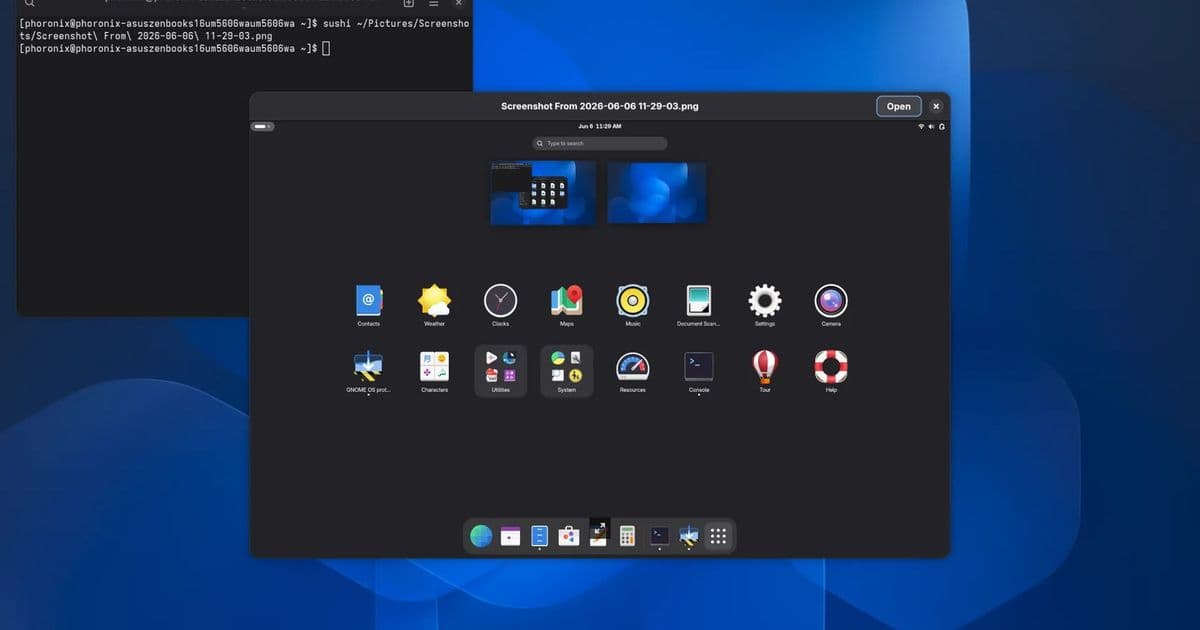
The GNOME file previewer component has finally completed its migration to GTK4, bringing dark mode support, improved UI elements, and enhanced preview layouts for the GNOME 51 desktop environment.
The GNOME desktop environment continues its evolution with the long-awaited completion of Sushi's migration to GTK4. This crucial update to the file previewer component, which integrates with GNOME Files (formerly Nautilus), brings significant improvements to the user experience while modernizing the underlying technology stack.
The GTK4 Migration: Technical Significance
Sushi's transition to GTK4 represents more than just a version bump—it's a fundamental modernization of the previewer's architecture. GTK4 brings substantial improvements over its predecessor, including better performance, enhanced rendering capabilities, and more efficient resource management. The migration involved rewriting significant portions of the codebase to leverage GTK4's new features while maintaining compatibility with GNOME's design principles.
GTK4 introduces several key improvements that directly benefit the file previewer experience:
- Improved rendering pipeline: Uses Vulkan for better graphics performance
- Better input handling: More responsive touch and pointer interactions
- CSS-based styling: More flexible and consistent theming
- Reduced latency: Faster rendering of preview content
The migration also incorporates initial support for Blueprint and Glycin. Blueprint is a UI description language that allows developers to define interfaces in a more declarative way, while Glycin is a library for rendering image previews, which should improve performance when previewing image files.
Dark Mode Implementation
One of the most visible additions in this update is proper dark mode support. While GNOME has had dark mode capabilities for some time, Sushi's implementation was limited. The new version provides a cohesive dark mode experience that follows GNOME's design guidelines.
The dark mode implementation includes:
- Carefully chosen color palette that maintains readability
- Appropriate contrast ratios for text and backgrounds
- Consistent theming across different file type previews
- Proper handling of images in dark mode (avoiding washed-out appearance)
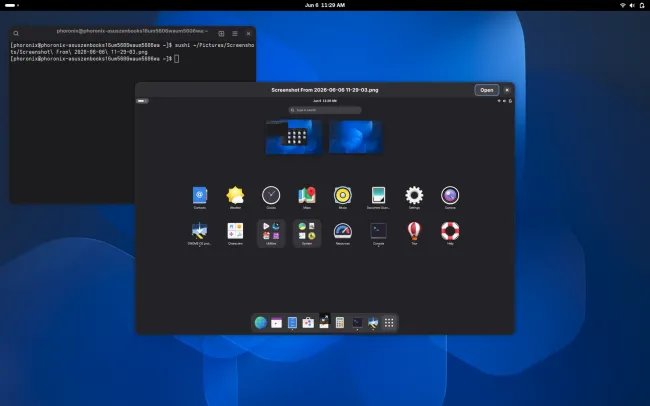
GNOME Sushi with dark mode enabled
UI Enhancements and Layout Improvements
Beyond the major GTK4 transition and dark mode, this update introduces several UI refinements:
Floating Toolbars
The previewer now features floating toolbars that appear contextually when needed. This approach reduces visual clutter while maintaining quick access to essential preview controls. The floating design follows GNOME's current design language and provides better visual hierarchy.
Enhanced File Type Preview Layouts
The layout of several file type previewers has been significantly improved:
- Text files: Better syntax highlighting and more readable font rendering
- Images: Improved zoom controls and aspect ratio preservation
- Audio files: Enhanced waveform visualization and playback controls
- PDF documents: Better page navigation and zoom capabilities
- Code files: Improved syntax highlighting with proper dark mode support
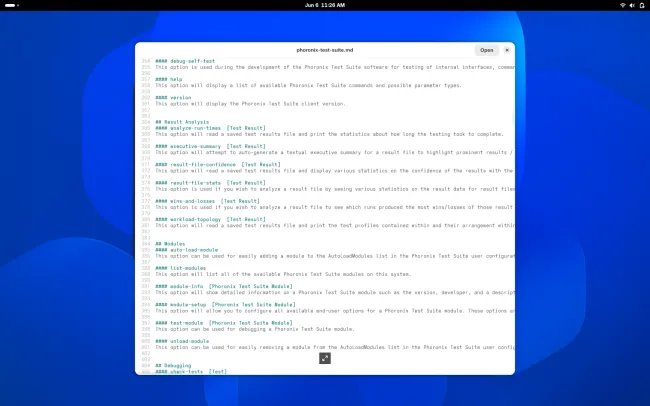
Enhanced Sushi preview with improved layout
Performance Considerations
The GTK4 migration brings several performance benefits:
- Reduced memory usage: More efficient widget management
- Faster rendering: Leveraging GTK4's improved rendering pipeline
- Better responsiveness: More fluid interactions when previewing files
- Improved accessibility: Better support for assistive technologies
For users running GNOME on lower-end hardware, these improvements should translate to a more responsive file browsing experience, especially when previewing multiple files in quick succession.
Building and Testing
For those interested in testing these improvements, Sushi with GTK4 support is available in the GNOME OS Nightly builds. The changes are also expected to be part of the upcoming GNOME 51 release scheduled for later in 2026.
For developers wanting to build Sushi from source, the migration to GTK4 means the build process has changed. The project now requires GTK4 development headers and related libraries. The GNOME developer documentation has been updated to reflect these changes.
Broader GNOME Ecosystem Impact
Sushi's GTK4 migration is part of a larger effort to modernize the GNOME desktop environment. As more components make the transition to GTK4, users can expect a more cohesive and performant desktop experience.
The integration of Blueprint and Glycin also suggests a future direction for GNOME's file handling capabilities. These libraries could pave the way for more sophisticated preview generation and potentially improved performance when handling large numbers of files.
For more details on these improvements and other updated GNOME software components, the latest issue of This Week in GNOME provides comprehensive coverage of the changes.
Conclusion
The completion of Sushi's GTK4 migration marks an important milestone in GNOME's development. With improved performance, proper dark mode support, and enhanced UI elements, the file previewer component is better equipped to meet the needs of modern desktop users. As GNOME continues to evolve, such foundational improvements ensure the desktop environment remains competitive and user-friendly in an increasingly diverse computing landscape.
Comments
Please log in or register to join the discussion