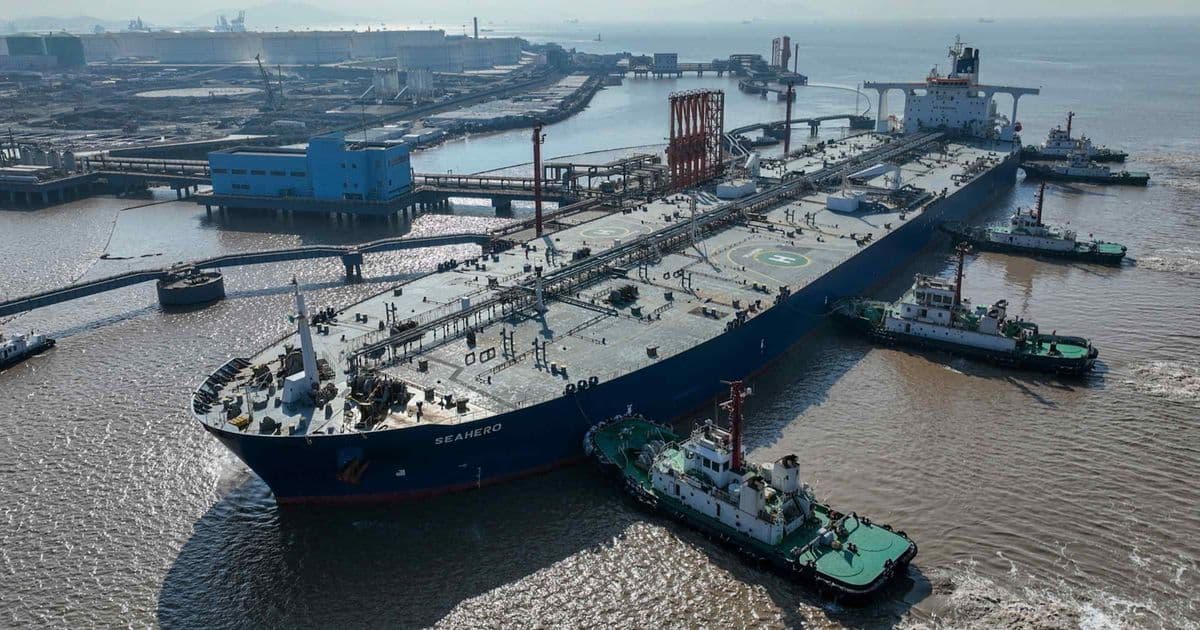
China is accelerating its push for energy self‑reliance as the Hormuz Strait disruption forces a re‑evaluation of oil import routes, strategic reserves and domestic fuel sourcing, reshaping Asian energy markets and U.S.–China competition.
China’s oil playbook under pressure
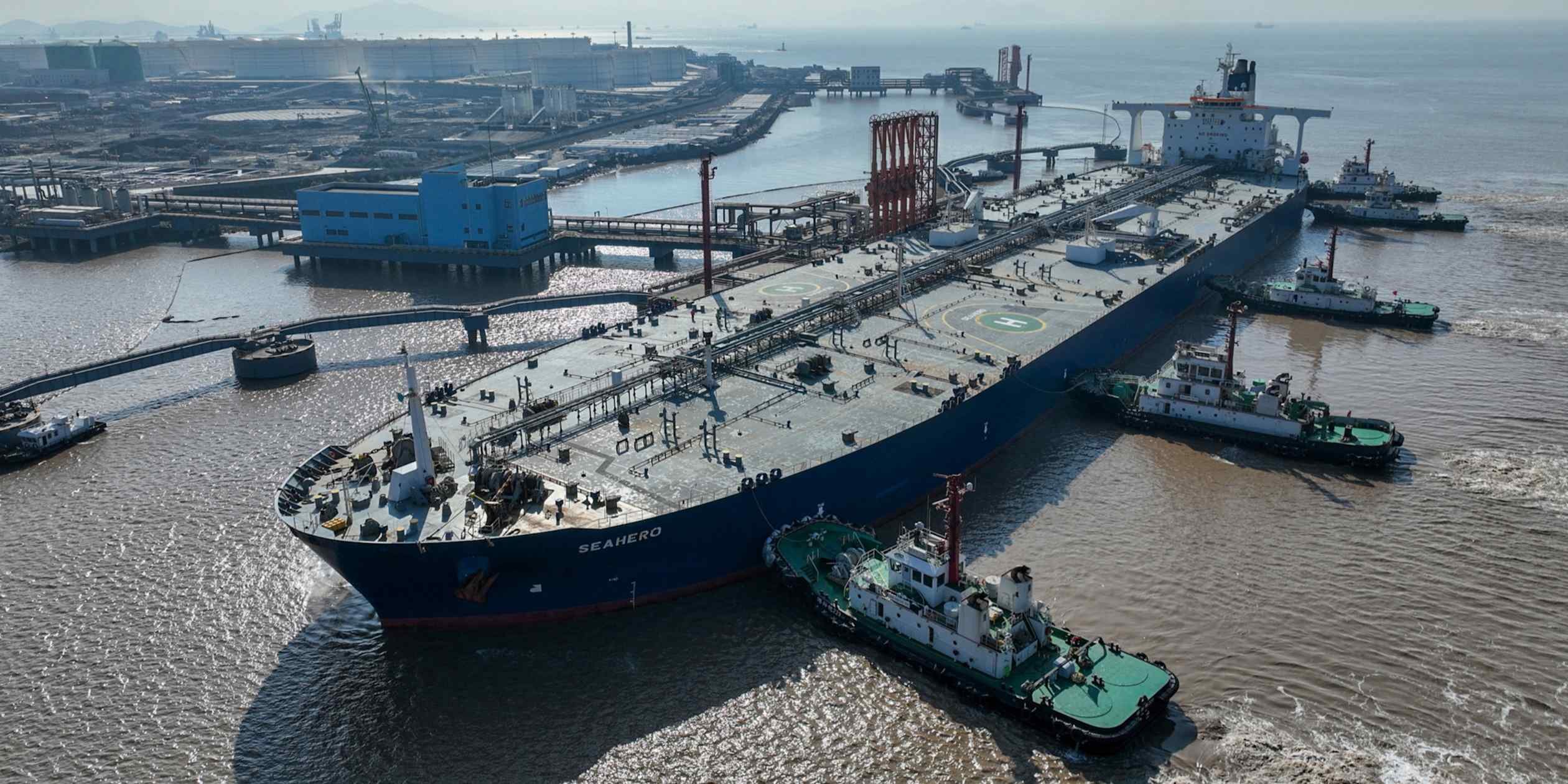
The recent flare‑up in the Strait of Hormuz – the narrow waterway through which roughly 20% of global oil shipments pass – has forced Beijing to lay bare a dual‑track strategy that blends aggressive import diversification with a rapid build‑up of domestic reserves. While the United States and its allies have warned of supply shocks, China’s response has been to tighten control over its import logistics, expand strategic stockpiles and accelerate coal‑to‑liquids projects.
Market context: numbers that matter
- Import dependence: In 2025, 70% of China’s petroleum demand was satisfied by imports, up from 62% in 2020. Of that, 35% traditionally flowed through the Gulf, making Hormuz a critical chokepoint.
- Strategic reserves: The State Administration of National Defence has announced a 30‑day oil reserve target for the next two years, equivalent to 5.5 million barrels per day – a 40% increase over the 2022 baseline.
- Coal‑to‑liquids (CTL) capacity: China’s CTL plants now produce 1.2 million barrels per day, up from 0.7 million barrels in 2021, representing roughly 2% of total fuel consumption but offering a buffer against crude disruptions.
- Alternative routes: By the end of 2026, China expects to have 1.8 million barrels per day of oil arriving via the Southern Sea Route (through the Malacca Strait) and the Northern Silk Road pipelines from Kazakhstan and Russia, reducing reliance on Gulf‑origin cargoes to 45%.
Strategic implications for Asia and the United States
- Reduced leverage for the U.S. – Historically, Washington has used the threat of a Hormuz closure to pressure Tehran and, by extension, its oil‑dependent customers. China’s expanding reserve capacity and CTL output blunt that lever, giving Beijing a de‑facto insurance policy against supply interruptions.
- Shift in regional fuel markets – Japan’s crude imports have already fallen 50% since the start of the Iran‑U.S. conflict, prompting Tokyo to sign bilateral fuel‑swap agreements with South Korea and Singapore. China’s move to secure its own supplies could tighten global spot prices, especially for Brent, which has hovered around $85‑$90 per barrel since early 2026.
- Investment redirection – Asian refiners are accelerating projects that process heavier, lower‑grade crude – a segment where Chinese state‑owned refineries have a comparative advantage. This could spur a $12 billion pipeline‑to‑refinery investment wave across the Indo‑Pacific over the next three years.
- Geopolitical signaling – By publicly committing to a 30‑day oil stockpile and expanding CTL, Beijing signals to both Tehran and Moscow that it can weather a prolonged Gulf crisis without leaning on U.S.‑led diplomatic channels. The move dovetails with President Xi’s recent talks with President Putin on a “multipolar energy order,” reinforcing a narrative of energy sovereignty.
What it means for investors and policymakers
- Energy equities: Companies involved in strategic storage infrastructure (e.g., Sinopec’s new terminal projects) and CTL technology are likely to see earnings upgrades as their capacity utilization rises.
- Commodity traders: The forward curve for Asian crude may steepen, with near‑term premiums widening as buyers hedge against further Strait disruptions.
- Policy response: Asian governments may accelerate regional fuel‑reserve cooperation, mirroring the ASEAN proposal for a shared 30‑day oil pool, to counterbalance China’s unilateral stockpiling.
- U.S. strategy: Washington may need to pivot from supply‑disruption threats to investment in alternative energy pathways in the region, such as green hydrogen and LNG, to maintain influence.
In short, the Hormuz crisis has forced China to formalize a self‑reliant oil framework that reshapes supply chains, alters market pricing dynamics, and redefines the strategic calculus for both Asian neighbors and the United States.
Comments
Please log in or register to join the discussion