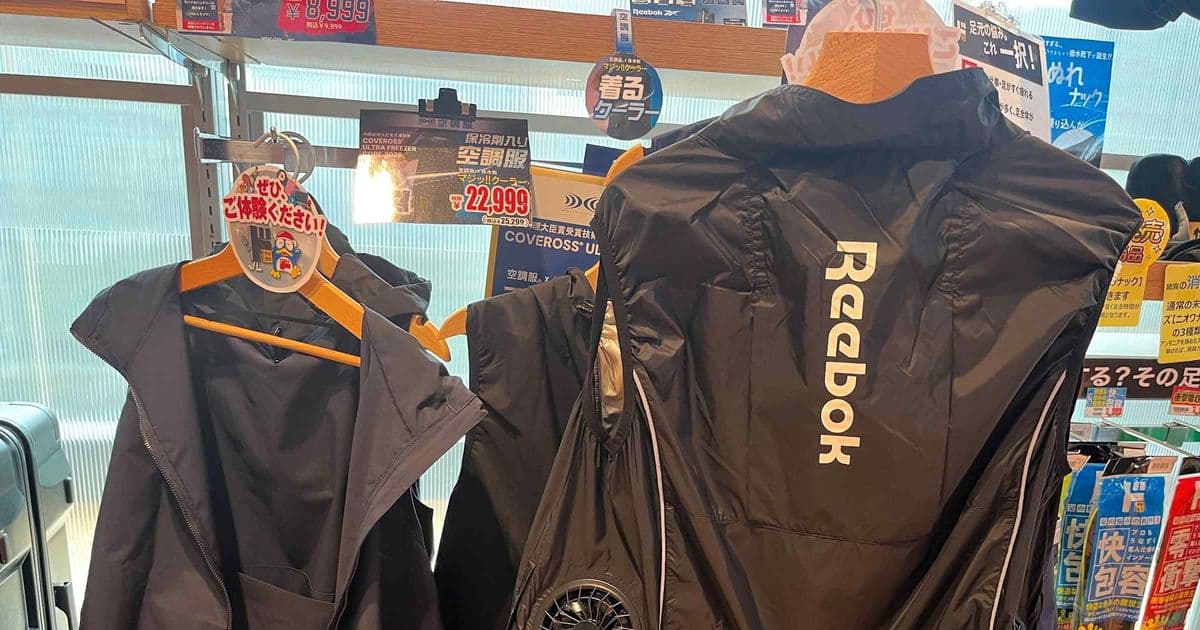
Discount retailer Don Quijote unveiled a line of fan‑integrated vests, hats and blankets ahead of Japan’s projected 2026 heatwave. The move targets a $1.2 billion summer apparel market, leverages the chain’s 4,500 stores, and signals a shift toward tech‑enabled fast fashion in a price‑sensitive segment.
Business news
Tokyo‑based discount giant Don Quijote Co. announced the rollout of a new “Cool‑Tech” apparel line that embeds low‑profile micro‑fans into vests, caps and blankets. The products, developed in partnership with Pan Pacific International Holdings, claim to circulate up to 3 m³ of air per minute while maintaining a weight under 200 g. Retail price points range from ¥2,980 for a fan‑vest to ¥4,500 for a blanket, positioning the items between traditional summer wear and high‑end active‑wear.
Market context
Japan’s Ministry of Environment projects that July–August 2026 will see average daily maximum temperatures 1.8 °C above the 30‑year norm, with heat‑related electricity demand expected to rise 12 % YoY. The summer apparel market, valued at roughly ¥150 billion ($1.2 billion) in 2025, is dominated by fast‑fashion brands that rely on seasonal turnover and low margins. Don Quijote operates 4,500 stores across the country, reporting FY2025 net sales of ¥1.3 trillion, a 4.2 % increase driven largely by its “value‑first” positioning.
Historically, the chain has introduced niche products—such as reusable water‑bottles and portable air‑conditioners—during weather extremes, boosting same‑store sales by 2‑3 % in those periods. Analysts at Nomura estimate that the Cool‑Tech line could add ¥8 billion in incremental revenue in its first year if it captures just 0.5 % of the summer apparel spend.
What it means
- Diversification of the discount model – By embedding active cooling technology into low‑cost garments, Don Quijote blurs the line between utility‑focused discount items and tech‑enhanced apparel. This could force traditional fast‑fashion players like Uniqlo and GU to consider similar integrations or risk losing temperature‑sensitive shoppers.
- Supply‑chain implications – The fan modules are sourced from a Japanese micro‑motor manufacturer that recently expanded capacity by 15 % to meet automotive demand. Don Quijote’s bulk ordering may secure a stable supply, but any disruption could affect inventory turnover, given the short summer sales window.
- Profitability outlook – The fan‑integrated items carry a higher gross margin (estimated 38 % vs. the chain’s average 32 %) due to the technology premium. Assuming the projected ¥8 billion uplift, the contribution to FY2026 operating profit could rise by ¥300 million, helping the company offset rising energy costs that have pressured net margins.
- Strategic positioning against the weak yen – With the yen hovering around ¥155 per dollar, imported raw materials have become more expensive. By sourcing the fan components domestically, Don Quijote reduces exposure to currency swings while promoting a “Made‑in‑Japan” narrative that resonates with cost‑conscious consumers.
- Potential for international rollout – Parent company Don Quijote Holdings plans to open 150 stores in the United States and Southeast Asia by 2028. Successful domestic adoption of Cool‑Tech could serve as a template for those markets, especially in regions experiencing increasingly frequent heatwaves.
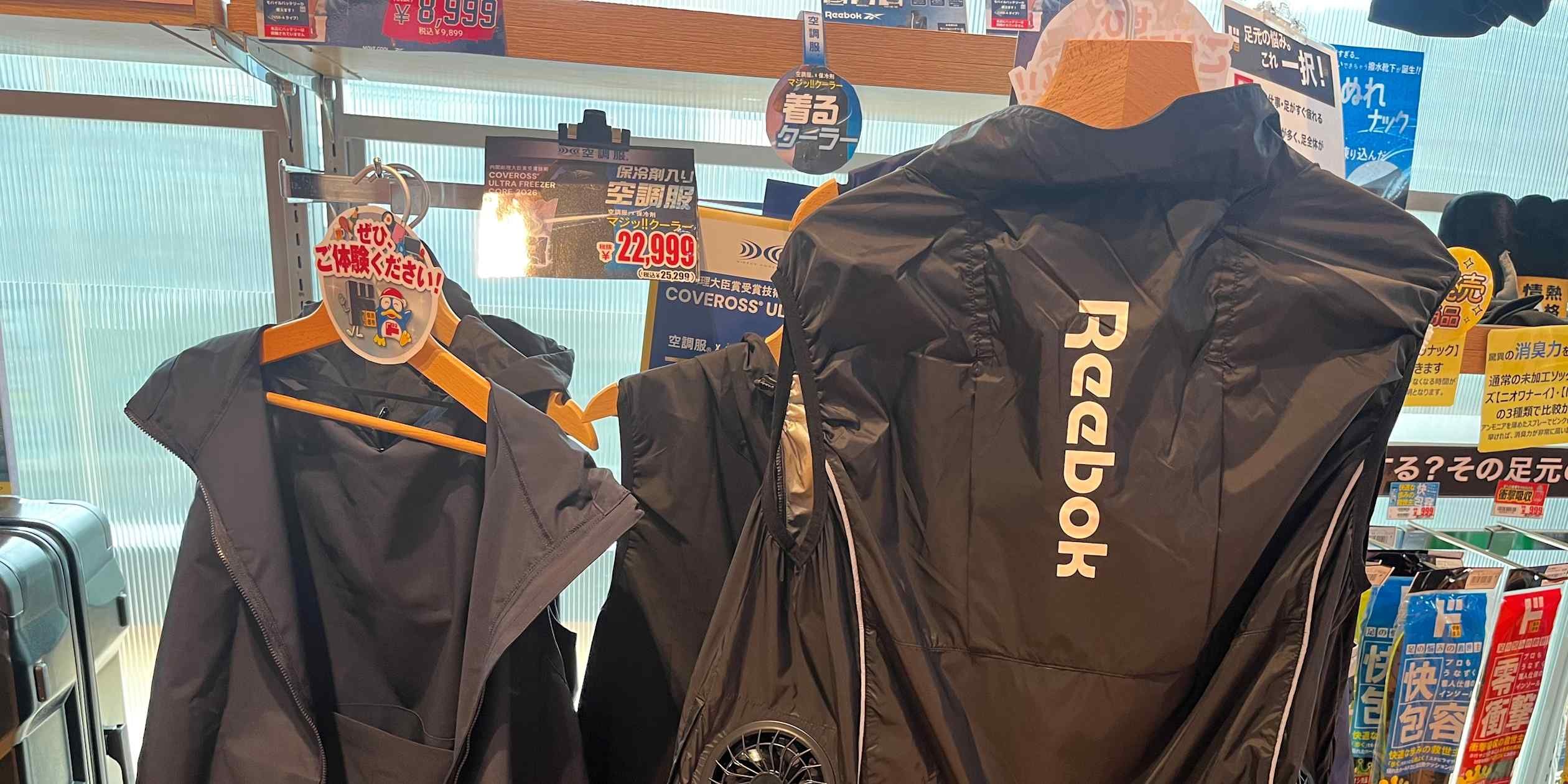
The launch arrives at a time when Japanese retailers are scrambling for differentiators amid a weak yen and stagnant consumer confidence. If the Cool‑Tech line meets sales expectations, it could mark the beginning of a broader trend where discount chains embed modest technology into everyday products to capture incremental spend without alienating price‑sensitive shoppers.
Comments
Please log in or register to join the discussion