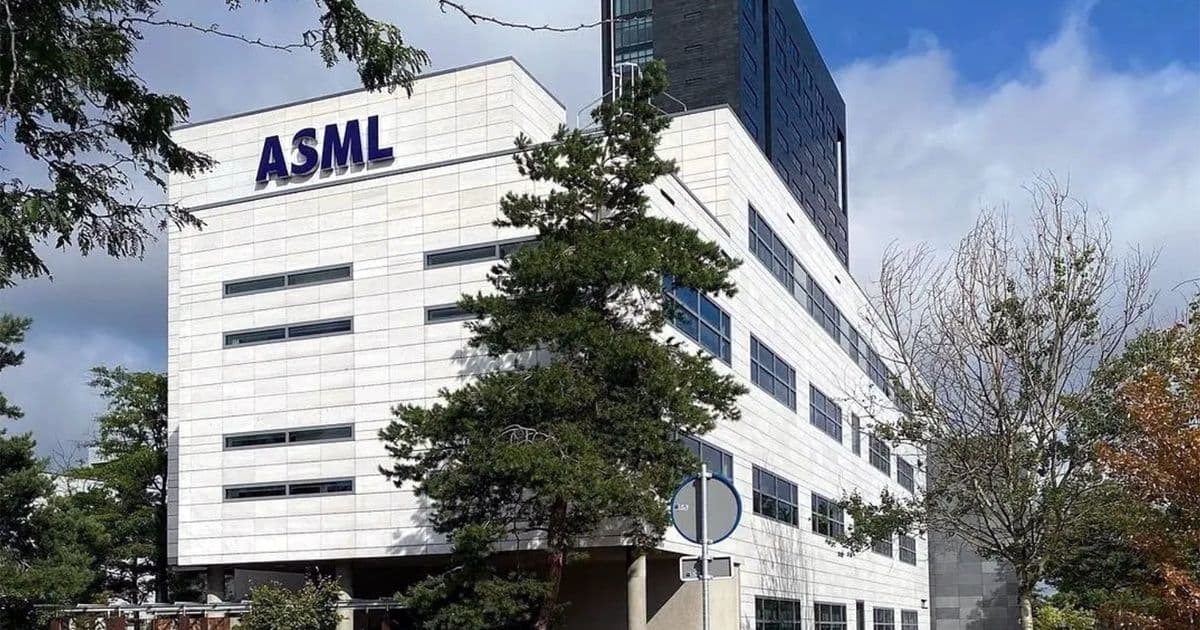
ASML’s market cap surged past $670 billion, making it Europe’s most valuable firm. New analyst models suggest the lithography giant can ship more than 110 low‑NA EUV machines in the near term, easing a critical bottleneck for AI‑driven chip production.
ASML has closed the week of June 3 with a market capitalization of $668 billion, overtaking Novo Nordisk’s previous record and cementing its place as the most valuable European company ever. The jump follows upgraded price targets from JPMorgan and Morgan Stanley, both of which now see the Dutch lithography specialist delivering well over 110 low‑NA EUV scanners without expanding its factory footprint.
What’s new?
- Higher output assumptions – JPMorgan lifted its target to €1,900 per share, while Morgan Stanley moved to €1,660. Both firms argue that ASML can exceed the 90‑unit ceiling that analysts have used for months.
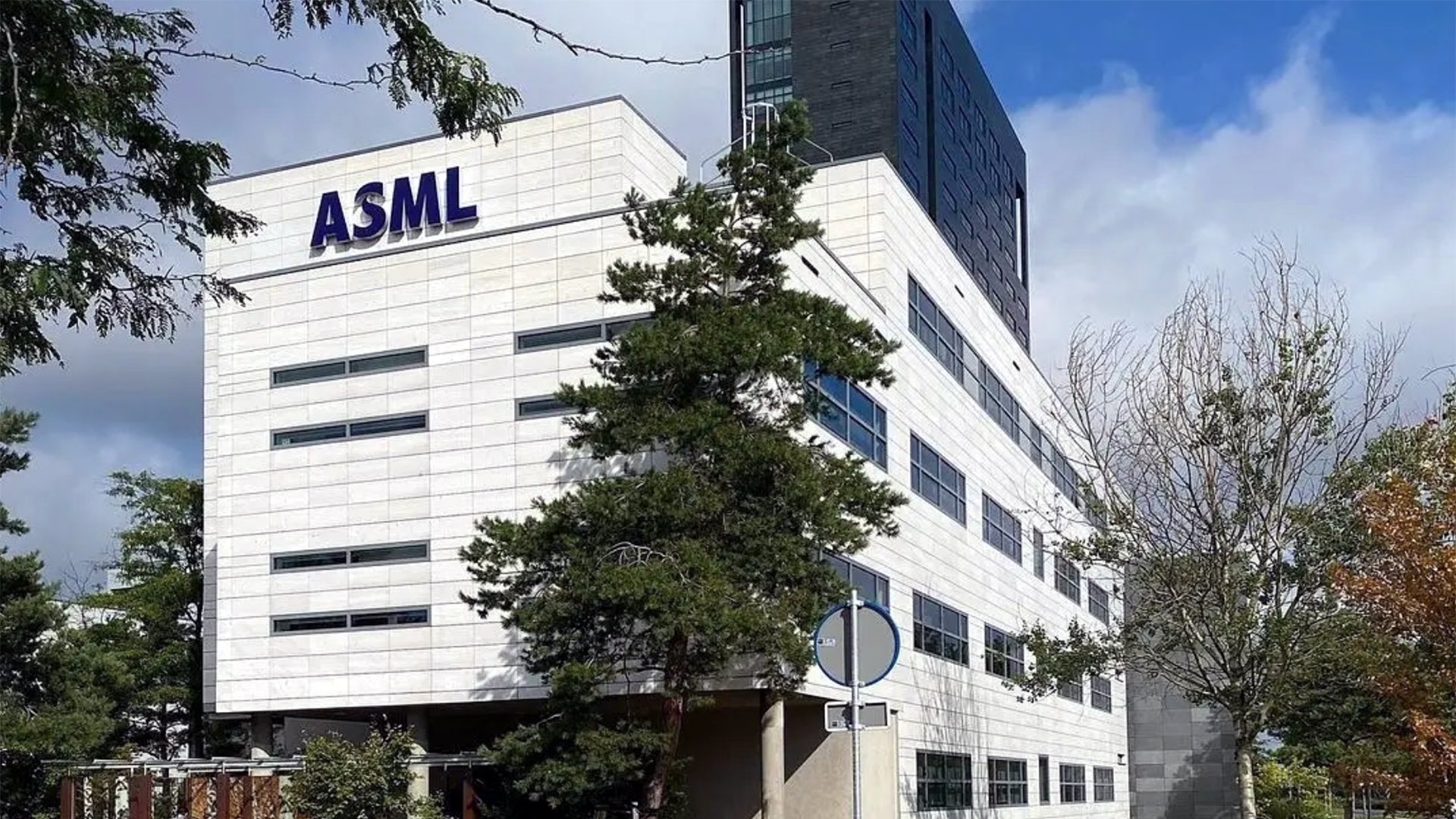
- Campus expansion – At its April AGM, ASML announced a new build‑out at the Brainport Industries Campus in Eindhoven, slated to start construction in Q3 2026. The plan calls for a multi‑phase expansion that should eventually free up enough floor space to sustain the revised shipment numbers.
- Pricing context – A low‑NA EUV system still lists around $235 million, whereas the high‑NA EXE:5200B installed at Intel’s 14A node costs roughly $380 million. Even a modest increase in unit volume translates into billions of dollars of new revenue for ASML.
How it compares to expectations and rivals
| Metric | Analyst consensus (pre‑upgrade) | New outlook | Competitor reference |
|---|---|---|---|
| Low‑NA EUV shipments (2024‑25) | ~90 units | >110 units | TSMC, Samsung, Intel rely on these machines for 5‑nm and finer nodes |
| Market cap (June 2024) | $620 billion | $668 billion | Still below the $1 trillion marks held by US chip giants like Nvidia and Intel |
| Unit price (low‑NA) | $235 M | $235 M | Comparable to a high‑end server farm in cost |
While ASML enjoys a monopoly on EUV lithography, several challengers are emerging:
- Substrate – a San Francisco startup backed by Founders Fund is developing a particle‑accelerator X‑ray system that claims 2 nm patterning at $10,000 per wafer, an order of magnitude cheaper than EUV.
- Canon – has begun shipping nano‑imprint tools that target niche applications but lack the throughput needed for high‑volume logic.
- Nikon – introduced a lower‑end EUV‑compatible scanner, yet its performance lags behind ASML’s mature product line.
- China – is pursuing a domestic EUV alternative, but the technology gap remains large.
Even with these efforts, none are positioned to replace EUV in the mass‑production of leading‑edge logic chips anytime soon. The sheer cost and complexity of EUV optics, coupled with the need for a 100‑kilowatt laser source, keep ASML’s machines at the top of the supply chain.
Who benefits?
- Foundries – TSMC, Samsung and Intel will see tighter lead times for their most advanced nodes, which should help meet the soaring demand for AI accelerators.
- AI developers – Every wafer that passes through an ASML scanner ultimately powers the GPUs and ASICs training large models, so higher scanner throughput directly eases the AI hardware shortage.
- Investors – The upgraded price targets imply a potential upside of 20‑30 % for the stock, assuming the shipment ramp materializes as forecast.
- European tech ecosystem – ASML’s valuation boost underscores the continent’s growing influence in the global semiconductor supply chain, a point of pride for policymakers seeking to reduce reliance on Asian manufacturing.
Risks to watch
- Capacity constraints – The campus expansion won’t be operational until at least 2027; any delay could reignite the EUV bottleneck.
- Competitive breakthroughs – Should Substrate or a Chinese effort achieve commercial viability, ASML could face pricing pressure.
- Geopolitical tensions – Export controls on EUV technology could limit ASML’s ability to serve certain markets, affecting revenue.
Overall, the market’s renewed confidence in ASML’s near‑term output suggests the EUV choke point may loosen sooner than many expected. For chipmakers racing to supply the next generation of AI hardware, that translates into more silicon, faster time‑to‑market, and ultimately, a healthier ecosystem for the whole industry.
For further details on ASML’s product lineup, see the official product page.
Comments
Please log in or register to join the discussion