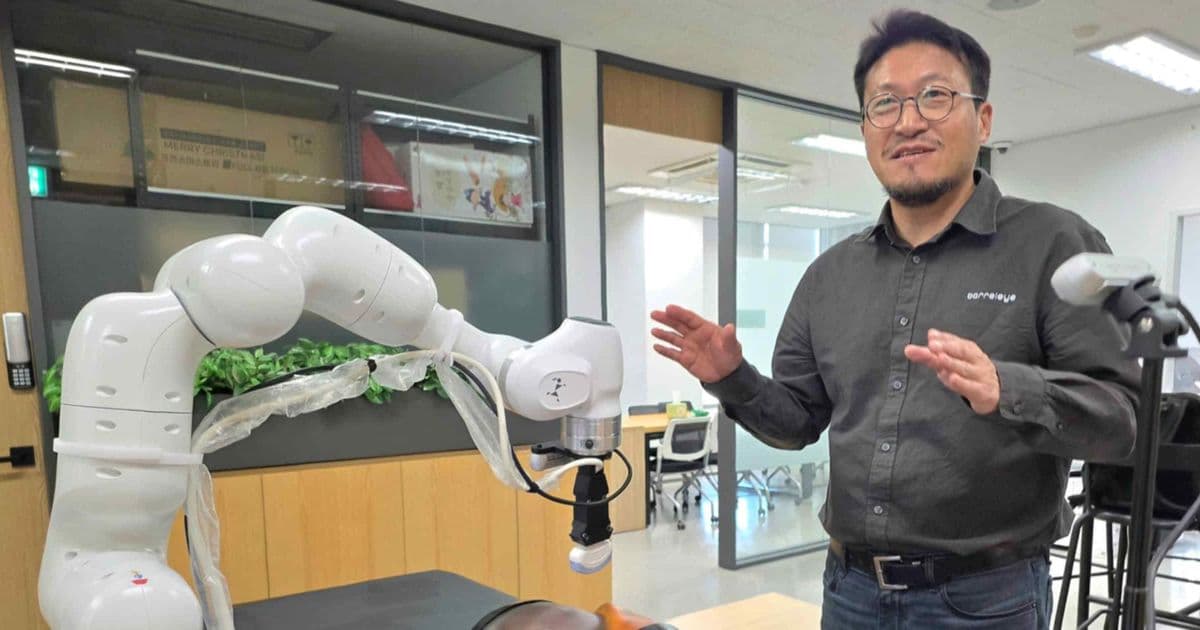
South Korea’s premier tech university, KAIST, has become a leading incubator, launching over 600 startups since 2015 with a 78% survival rate, attracting $3.2 billion in venture funding and reshaping the nation’s innovation ecosystem.
Business news
South Korea’s Korea Advanced Institute of Science & Technology (KAIST) is now recognized as the country’s most prolific source of high‑growth startups. Between 2015 and 2025 the university’s Institute for Entrepreneurship supported 642 new companies, a 34 % increase over the previous decade, while 78 % of those ventures remain active—well above the national average of 52 % for tech startups.
The university’s support model combines seed grants, mentorship from industry veterans, and access to on‑campus labs. Since 2020, KAIST has allocated ₩250 billion (≈ $190 million) in venture‑creation funding, a figure that has more than doubled the 2015 allocation of ₩115 billion. The capital influx has helped graduates raise $3.2 billion in external venture financing, with Series A rounds averaging $12 million—twice the size of comparable Korean university‑spun companies.
Market context
South Korea’s startup ecosystem has traditionally been dominated by Seoul‑based accelerators and corporate venture arms. However, the country’s GDP growth slowed to 1.6 % in 2025, prompting policymakers to prioritize innovation‑driven sectors such as AI, biotech, and advanced materials. KAIST’s rise coincides with the government’s $10 billion “Future Innovation Fund”, which earmarks 15 % of its budget for university‑linked ventures.
In the broader Asian market, China’s university spin‑outs raised $12 billion in 2025, while Japan’s top institutes accounted for $4.5 billion. KAIST’s $3.2 billion positions South Korea as the third‑largest university‑driven startup hub in the region, a notable leap from its 8th‑place ranking five years ago.
Key sectors emerging from KAIST include:
- AI chips – startups such as FuriosaAI have secured $150 million to develop high‑bandwidth memory for generative models, directly competing with Nvidia’s roadmap.
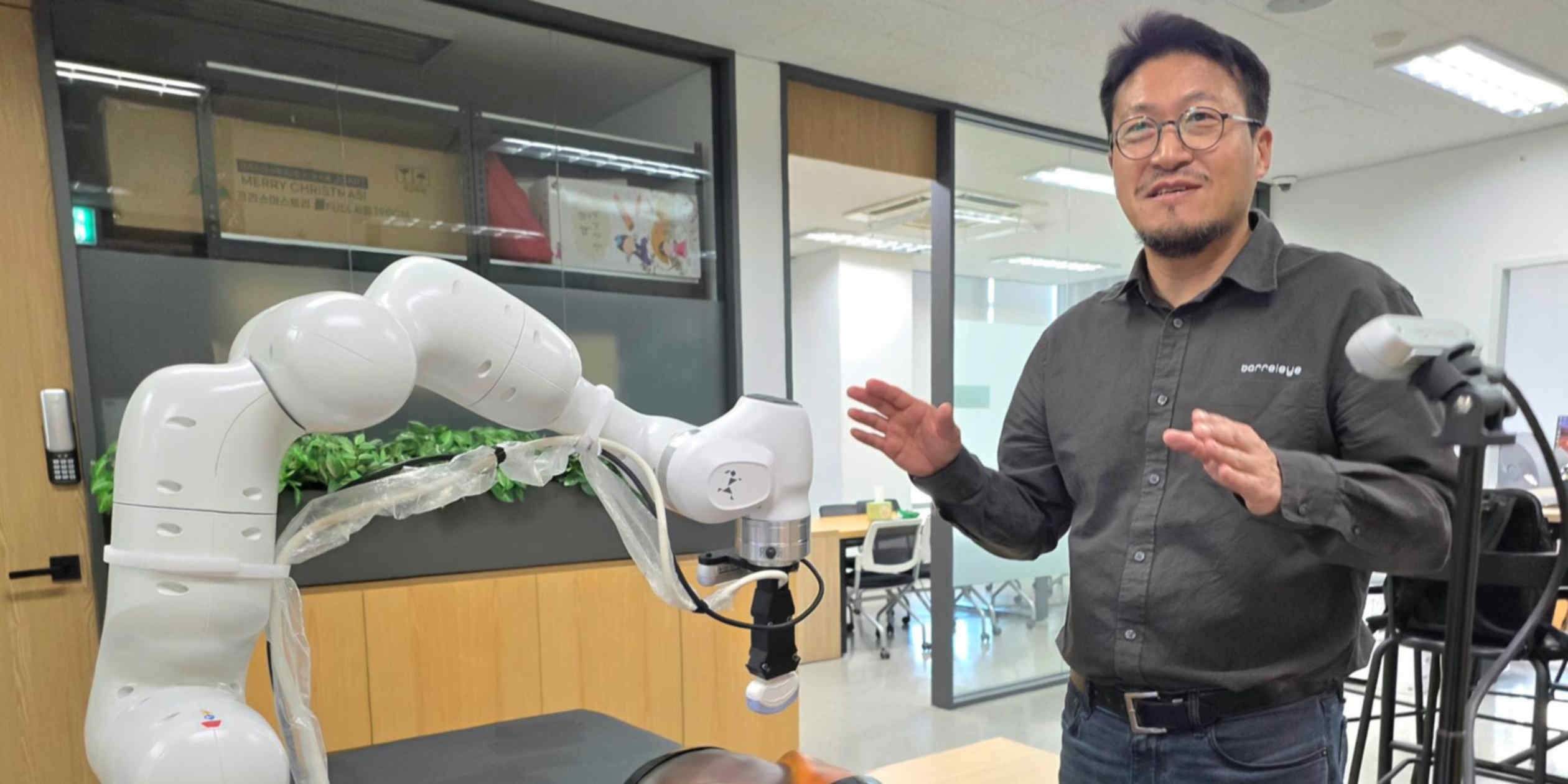
- Medical robotics – companies like MediFlex have commercialized a surgical assistance robot, attracting $45 million from global health investors.
- Clean energy storage – spin‑outs are piloting solid‑state battery prototypes, aligning with South Korea’s target of 30 % renewable electricity by 2035.
What it means
KAIST’s success is reshaping the talent pipeline and capital flows in South Korea. Graduates now view entrepreneurship as a viable career path, reducing brain drain to the United States and China. The university’s model also offers a template for other institutions: structured seed funding, industry‑partner mentorship, and protected IP labs.
For venture capital firms, the data signals a lower risk profile for KAIST‑backed deals. The 78 % survival rate translates to a 3.5‑times higher likelihood of achieving Series B funding compared with the national average, encouraging more foreign funds to allocate capital to Korean university ecosystems.
Policy‑wise, the government may deepen its collaboration with KAIST, potentially expanding the “University Innovation Voucher” program, which currently provides ₩5 million per startup for prototyping. Scaling this could accelerate the commercialization of AI and biotech breakthroughs, helping South Korea meet its $200 billion AI market target by 2030.
In sum, KAIST’s incubator engine is not only producing a steady stream of viable companies but also catalyzing a broader shift toward a knowledge‑intensive economy. As the university continues to refine its support structures, South Korea is poised to capture a larger share of regional venture capital and to cement its role as a hub for next‑generation technologies.
Comments
Please log in or register to join the discussion