Top House Democrats are signaling potential support for invoking the 25th Amendment to remove President Trump from office, marking a dramatic escalation in congressional efforts to address concerns about presidential fitness.
House Democratic leaders are signaling openness to pursuing the 25th Amendment as a mechanism to remove President Donald Trump from office, marking a significant escalation in congressional efforts to address concerns about presidential fitness and capacity.
The 25th Amendment, ratified in 1967 following the assassination of President John F. Kennedy, provides a constitutional process for transferring presidential power when a president is deemed unable to discharge the duties of office. Section 4 of the amendment allows the vice president and a majority of Cabinet members to declare the president unfit, temporarily transferring power to the vice president as acting president.
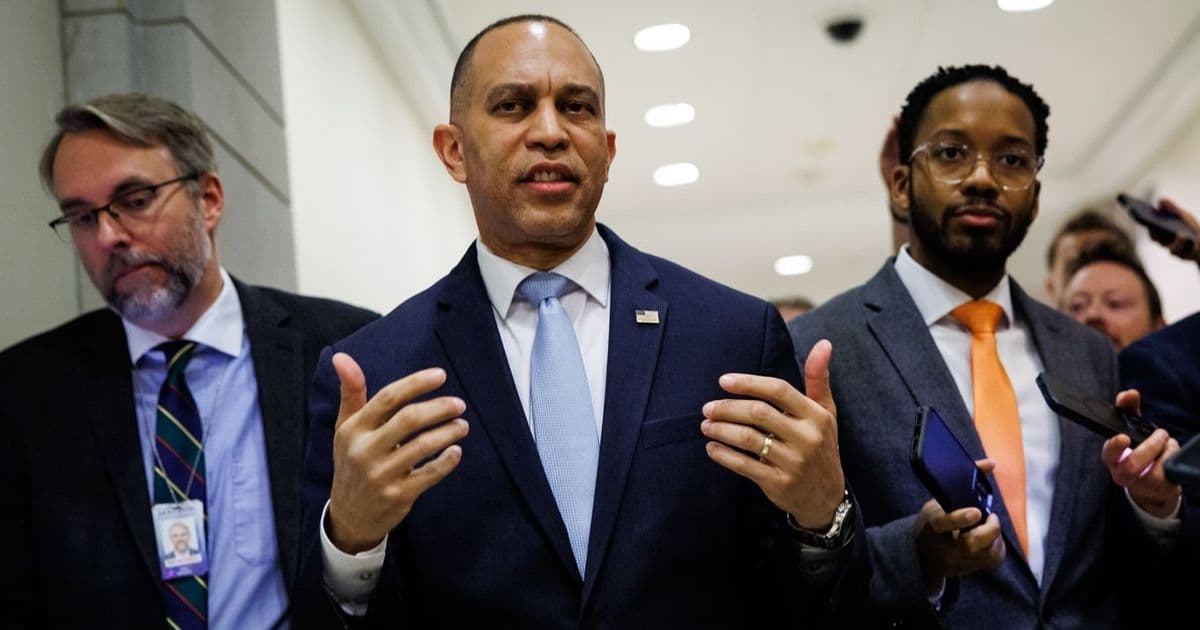
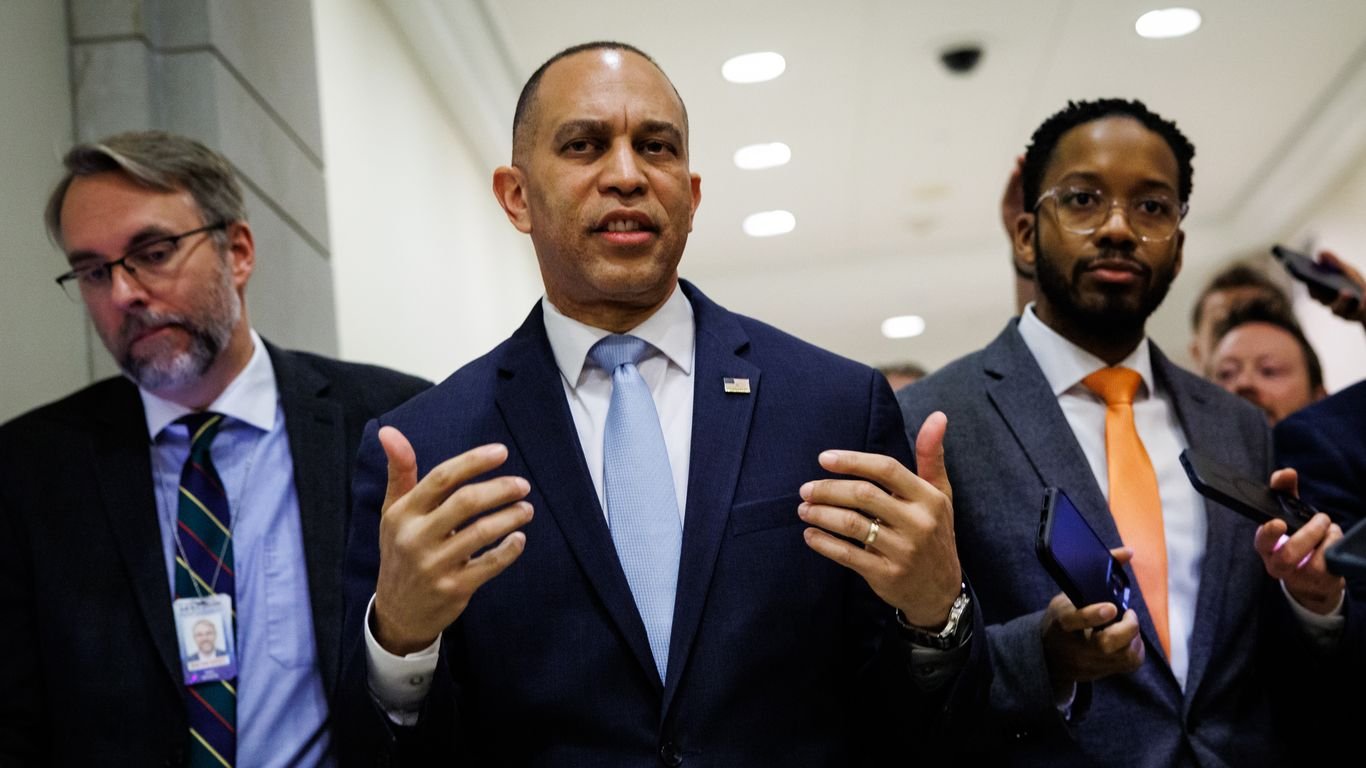
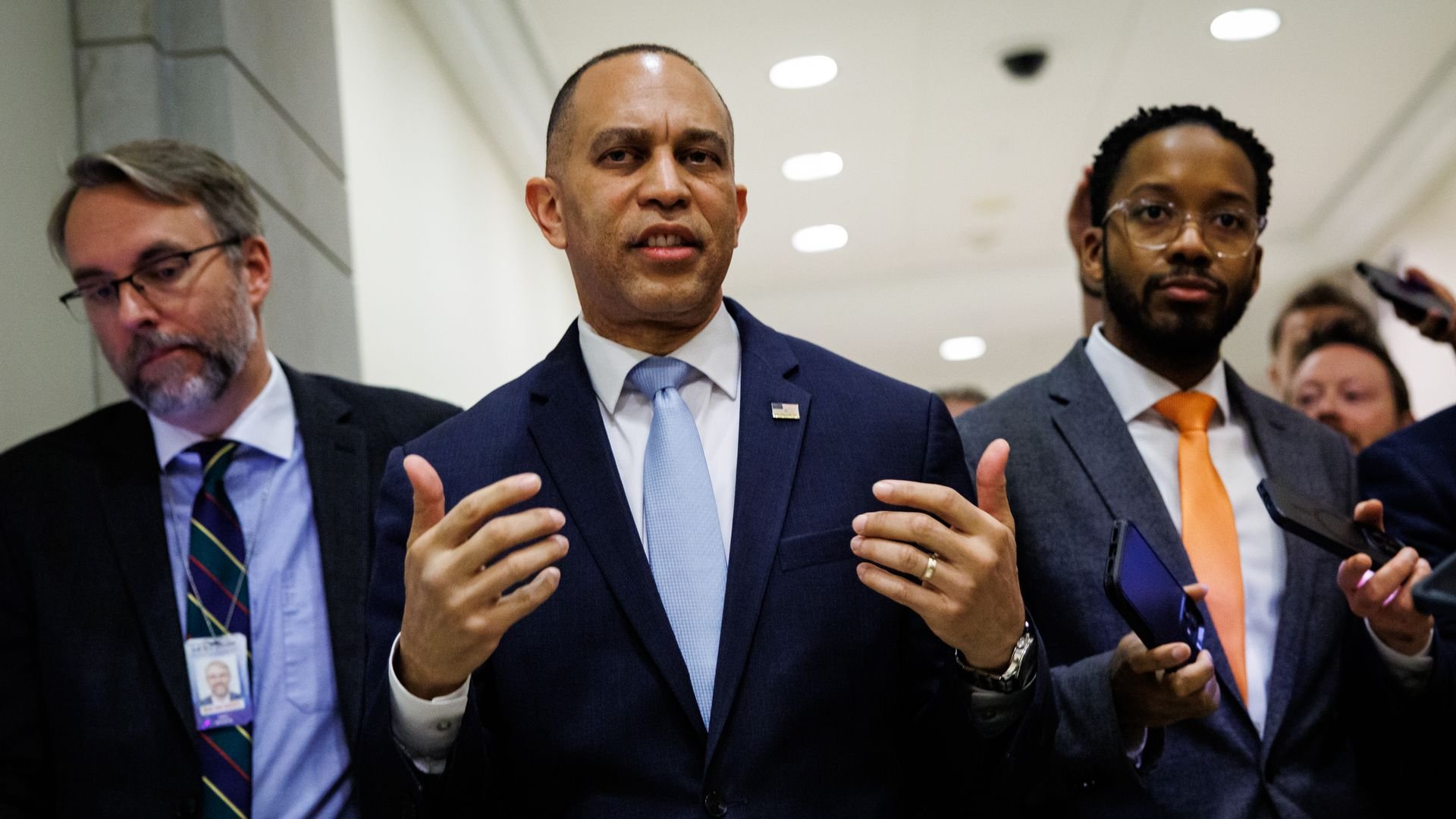
House Minority Leader Hakeem Jeffries, speaking to reporters in the basement of the U.S. Capitol building, indicated that Democrats are seriously considering this constitutional option. The move comes amid growing concerns among Democratic lawmakers about President Trump's behavior and decision-making capacity.
Key Democratic figures have begun discussing the feasibility of such an action. While no formal announcement has been made, the signals from leadership suggest that the party is exploring all available constitutional remedies to address what they view as a crisis of presidential fitness.
Constitutional Process and Political Implications
The 25th Amendment process is deliberately difficult to invoke. It requires:
- The vice president and a majority of Cabinet secretaries to declare the president unfit
- The president can contest this declaration
- Congress must then vote on the matter
- A two-thirds majority in both chambers is required to permanently remove the president
This high threshold makes the 25th Amendment a challenging path compared to impeachment, which requires only a simple majority in the House and two-thirds in the Senate for conviction.
Historical Context
The 25th Amendment has been invoked several times in history, primarily for medical procedures. President Ronald Reagan temporarily transferred power to Vice President George H.W. Bush during cancer surgery in 1985. President George W. Bush did the same twice during colonoscopies in 2002 and 2007.
However, Section 4 has never been invoked in U.S. history, making any potential use of this mechanism unprecedented and politically explosive.
Political Landscape
The Democratic Party's openness to this approach reflects deepening concerns about the current administration's stability and decision-making processes. Sources within the party suggest that discussions have intensified following recent presidential actions and statements that some lawmakers view as erratic or concerning.
Republican leadership has not yet responded formally to these Democratic signals, but the move is likely to face fierce opposition from the president's allies in Congress.
What Happens Next
While the signals from Democratic leadership represent a significant development, several steps would need to occur before any 25th Amendment action could be taken:
- Vice President Mike Pence would need to agree to initiate the process
- A majority of Cabinet members would need to support the declaration
- The president would have the opportunity to contest the finding
- Congress would need to vote on the matter
- A two-thirds majority in both chambers would be required to sustain the removal
Given the current political alignment, this path faces substantial obstacles, particularly the need for Republican support in both chambers of Congress.
Broader Implications
The mere discussion of the 25th Amendment by House Democratic leaders signals a new level of concern about presidential fitness that transcends normal partisan disagreements. This represents a fundamental challenge to the stability of the current administration and could have far-reaching consequences for governance and the 2020 election cycle.
The move also reflects broader tensions within the Republican Party, as some members have expressed private concerns about the president's behavior while maintaining public support.
As this situation develops, all eyes will be on Vice President Pence and the Cabinet to see if any members are willing to take the unprecedented step of declaring the president unfit for office under the 25th Amendment.
The coming days and weeks will be critical in determining whether this constitutional mechanism becomes a serious avenue for addressing concerns about presidential capacity or remains a political talking point in an already contentious election year.
Comments
Please log in or register to join the discussion