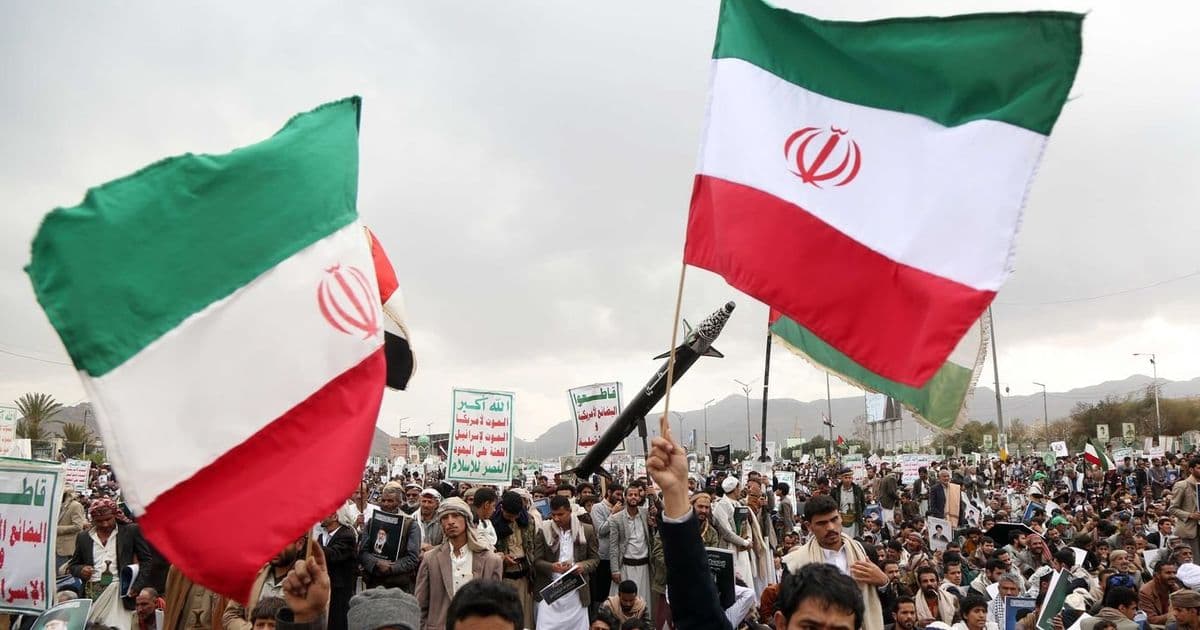
The Iran-backed Houthi movement in Yemen may join the expanding Middle East conflict, potentially drawing the U.S. into a broader regional war.
The Iran-backed Houthi movement in Yemen could become the next military group to join the escalating conflict in the Gulf, potentially drawing the United States into a broader regional war.
The Houthis, officially known as Ansar Allah, have been engaged in a civil war in Yemen since 2014 and have received support from Iran throughout the conflict. Their potential involvement in a wider Iran war would significantly expand the geographic scope of any military confrontation.
What we know about the Houthis
The Houthis are a Zaidi Shia political and armed movement based in northern Yemen. They control the capital Sanaa and much of northwestern Yemen, including the strategic port city of Hodeidah. The group has demonstrated its military capabilities through:
- Regular missile and drone attacks on Saudi Arabia and the UAE
- Control of Yemen's Red Sea coastline
- Ability to launch strikes on shipping in the Red Sea
- Experience fighting against a Saudi-led coalition since 2015
The group's slogan, "God is Great, Death to America, Death to Israel, Curse on the Jews, Victory to Islam," reflects their anti-Western stance and ideological alignment with Iran's revolutionary government.
Why they might join the conflict
Iran has cultivated the Houthis as a proxy force, providing them with weapons, training, and financial support. In a potential war between Iran and the United States, Tehran would likely activate its network of regional allies to create a multi-front conflict.
The Houthis have already demonstrated their willingness to target U.S. interests. In January 2024, they began attacking commercial shipping in the Red Sea in what they called solidarity with Palestinians in Gaza. These attacks have forced major shipping companies to reroute vessels around Africa, adding significant costs to global trade.
Military capabilities and strategic implications
If the Houthis join an Iran war, they could:
- Launch missiles at U.S. bases in the Gulf
- Attack shipping in the Red Sea and Gulf of Aden
- Disrupt oil shipments through the Bab el-Mandeb strait
- Force the U.S. to divert military resources to Yemen
The Bab el-Mandeb strait, where the Red Sea meets the Gulf of Aden, is one of the world's most critical oil chokepoints. Approximately 4.1 million barrels of oil pass through daily. Houthi control or disruption of this area could have severe economic consequences.
Regional dynamics
The potential Houthi involvement highlights how a conflict between Iran and the U.S. could quickly expand beyond bilateral confrontation. Other Iranian-backed groups that might join include:
- Hezbollah in Lebanon
- Shiite militias in Iraq
- Iranian forces in Syria
- Hamas in Gaza (though currently engaged with Israel)
This network of proxy forces creates what military strategists call an "axis of resistance" that Iran could activate simultaneously, stretching U.S. and allied military resources across multiple theaters.
U.S. military considerations
The U.S. military has already been conducting operations against Houthi targets in Yemen since 2024, including strikes on radar sites and missile launch facilities. A full-scale conflict would likely require:
- Deployment of additional naval assets to the Red Sea
- Potential ground operations in Yemen
- Increased air defense deployments to Gulf states
- Diversion of assets from other global commitments
The U.S. Central Command has approximately 50,000 troops in the Middle East, but a multi-front conflict could strain these resources significantly.
Economic and global implications
Houthi involvement in a wider conflict would likely drive oil prices higher, as markets price in the risk of supply disruptions. The group's demonstrated ability to attack shipping in the Red Sea has already shown how regional instability can affect global commerce.
Any conflict expansion would also complicate U.S. efforts to maintain alliances in the region. While Gulf states oppose Iran, they may be reluctant to support actions that could trigger Houthi retaliation against their own territories.
Current situation
As of March 2025, tensions remain high in the region. The killing of Iran's Supreme Leader Ayatollah Ali Khamenei in early March has created a power vacuum in Tehran, potentially making Iranian-backed groups more unpredictable.
Recent protests in Yemen's capital, as shown in the accompanying photo, demonstrate the volatile political environment. Thousands gathered in Sabeen Square in Sanaa holding flags and banners during a rally condemning U.S. and Israeli actions.
The coming weeks will be critical in determining whether the Houthis choose to escalate their involvement or maintain their current level of hostilities. Military analysts suggest that Iran may use its proxies to retaliate asymmetrically if it faces direct military pressure from the United States.
What happens next
The international community continues to urge de-escalation, but the complex web of regional alliances and proxy relationships makes a contained conflict increasingly unlikely. The potential for the Houthis to join a wider Iran war represents just one of many scenarios that could rapidly expand the scope and intensity of Middle East hostilities.
The United States faces difficult choices: whether to deter Houthi aggression through military readiness, attempt diplomatic solutions, or prepare for the possibility that Yemen could become another active front in a regional conflict that shows no signs of abating.
Comments
Please log in or register to join the discussion