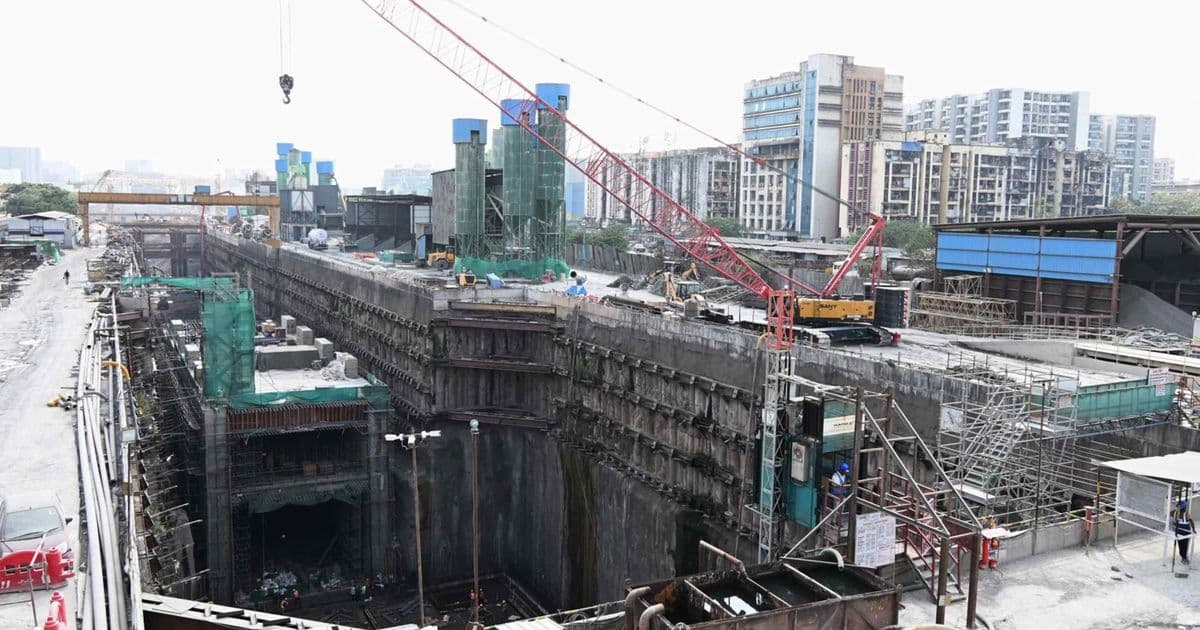
India's federal capital spending has roughly doubled over five years, fueling rapid construction of highways, high-speed rail and semiconductor fabs. The push helped drive 7.7% real growth in fiscal 2025, positioning New Delhi as the rare large economy growing on the back of both state investment and household consumption.
India spent fiscal 2025 doing something most large economies cannot manage: growing fast on the strength of both government investment and consumer demand at the same time. The country's real economy expanded 7.7%, according to figures reported by Nikkei Asia, and a sizable share of that came from New Delhi opening the public spending taps to build highways, high-speed rail and semiconductor plants.
The headline number worth fixing on is the doubling of public investment over five years. Federal capital expenditure has climbed steeply as the government front-loads infrastructure to absorb demand that private players have been slow to meet. That kind of state-led capital formation is a deliberate strategy, and the early returns show up directly in GDP prints. India's March quarter grew 7.8% even with the drag from the Iran conflict rippling through energy markets and trade routes.
Where the money is going
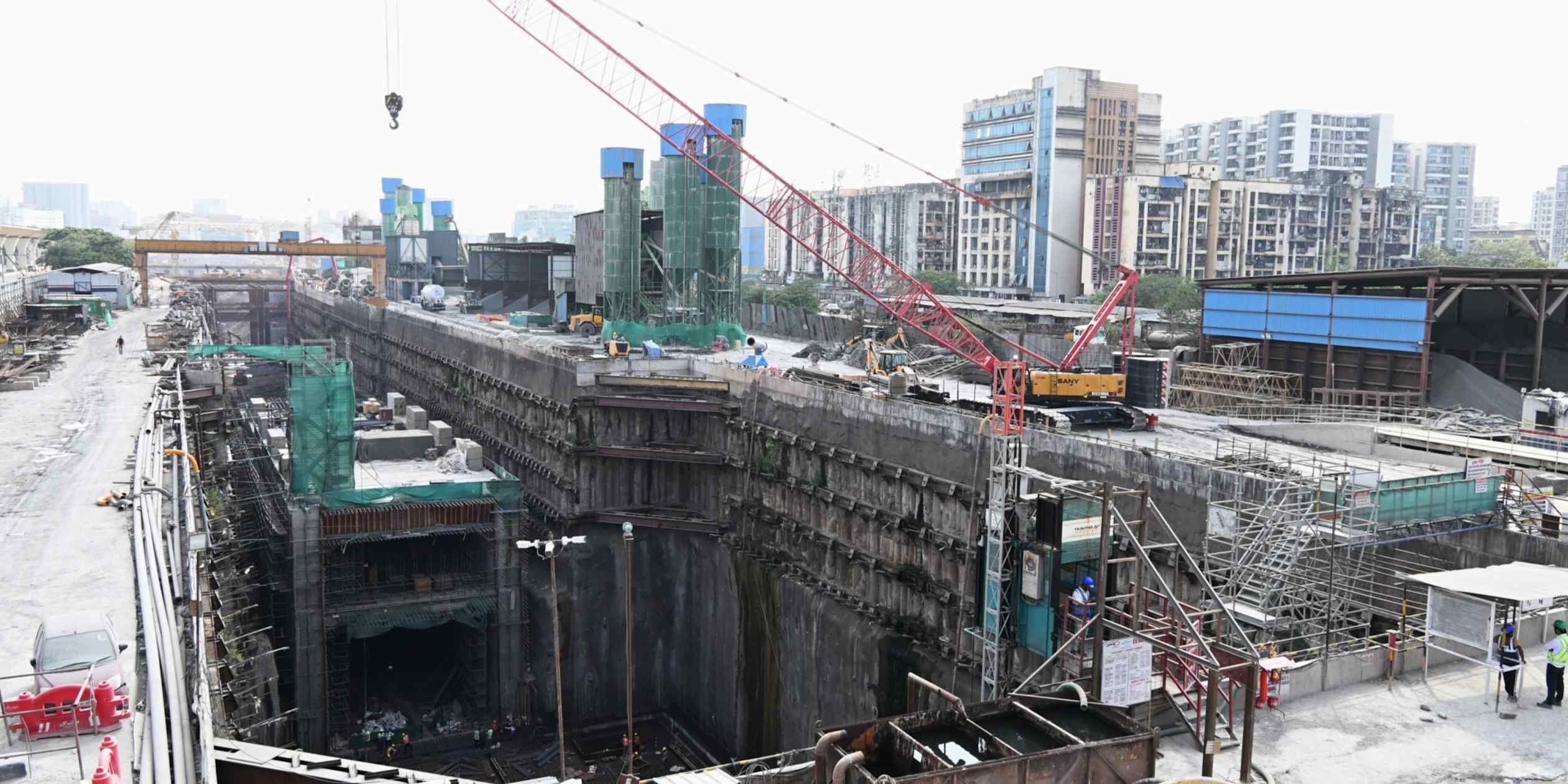
The spending is concentrated in projects with long payback horizons. A high-speed rail corridor anchored in Mumbai is under construction, part of a broader effort to modernize a transport network that has historically bottlenecked goods movement and raised logistics costs for manufacturers. Highways are absorbing another large slice. And then there are the chip plants, the piece that carries the most strategic weight.
Semiconductor fabrication is capital intensive and politically charged. India has watched global supply chains reorganize around the desire to reduce dependence on a single region for advanced chips, and it wants a seat at that table. Public money is the lever, because no private firm builds a fab on speculative demand. The state underwrites the early risk, then hopes anchor tenants and an ecosystem follow.
The market context
India's spending push lands at a moment when capital is actively moving toward it. Japan's regional banks have been shifting operations away from China toward Singapore and India as supply chains reroute. Toray, the Japanese materials maker, is building a plastics facility in India to feed automotive demand. India has also pulled in data center investment, benefiting from the global buildout of computing capacity even as it has yet to produce a marquee domestic artificial intelligence champion.
That last point matters for how analysts should read the growth story. India is capturing the infrastructure layer of the AI and digital economy, the physical plant of servers, power and connectivity, without yet owning the high-margin software and model layer that sits on top. The data center trade rewards the country for cheap power, land and engineering talent. Whether that translates into higher-value domestic industry is the open question hanging over the investment thesis.
There are also macro pressures the spending has to navigate. The Reserve Bank of India held its key policy rate steady while raising its inflation forecast, signaling that the central bank sees price pressure building, some of it war-related. Aggressive public investment can feed inflation if supply does not expand fast enough to match the demand it creates. India is running a calculated bet that the new highways, rail and factories add productive capacity quickly enough to keep that tension manageable.
What it means
The strategic implication is that India is trying to compress a development arc that took other Asian economies decades. By spending public money on hard infrastructure and chip manufacturing simultaneously, while consumer demand stays strong, New Delhi is attempting to build the supply side and ride the demand side in the same cycle. The doubling of investment over five years is the clearest evidence of how committed the government is to that sequencing.
The risk is concentration and timing. Fabs and rail corridors take years to pay off, and they tie up capital that markets will judge harshly if growth slows or inflation forces tighter money. India is also exposed to the same supply chain shifts that are currently working in its favor; the redirection of Japanese banking and manufacturing capital toward the country is a tailwind that could reverse if geopolitics turn.
For now the arithmetic favors New Delhi. A 7.7% real growth rate, driven by investment and consumption together, gives India room to keep building. The chip plants and rail lines under construction today are a wager that the next phase of growth comes from manufacturing capacity the country does not yet have. The spending figures suggest the government is willing to keep that wager running.
Comments
Please log in or register to join the discussion