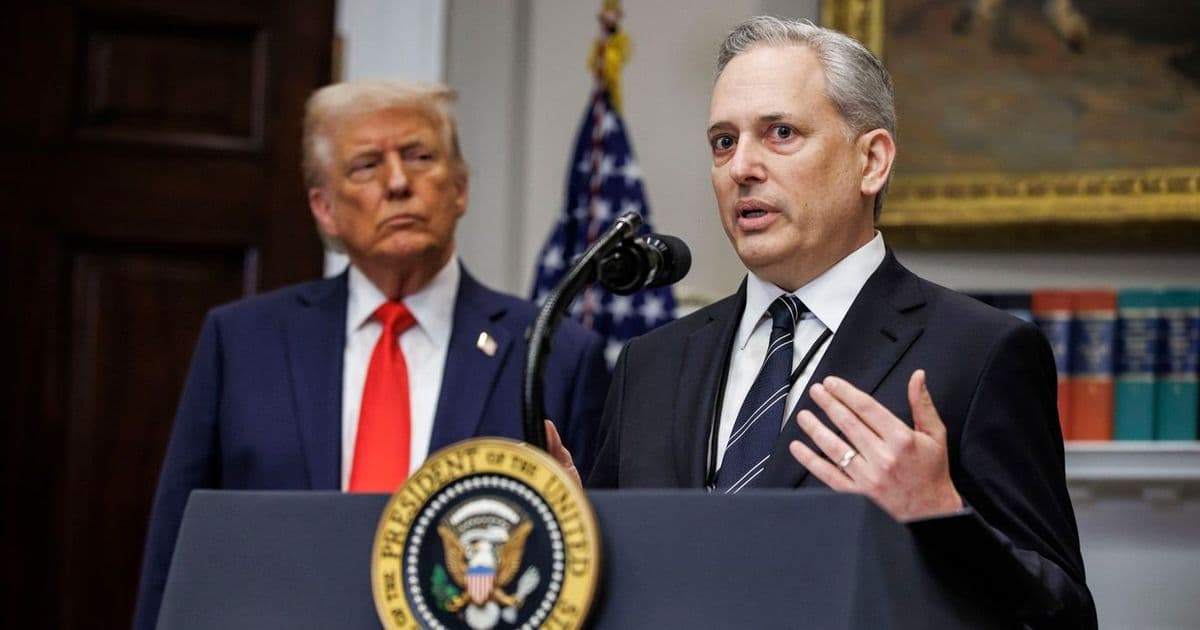
Venture capitalist David Sacks has taken on a key White House role to shape Trump's AI policies, leveraging his tech industry connections and Silicon Valley influence to guide federal AI strategy.
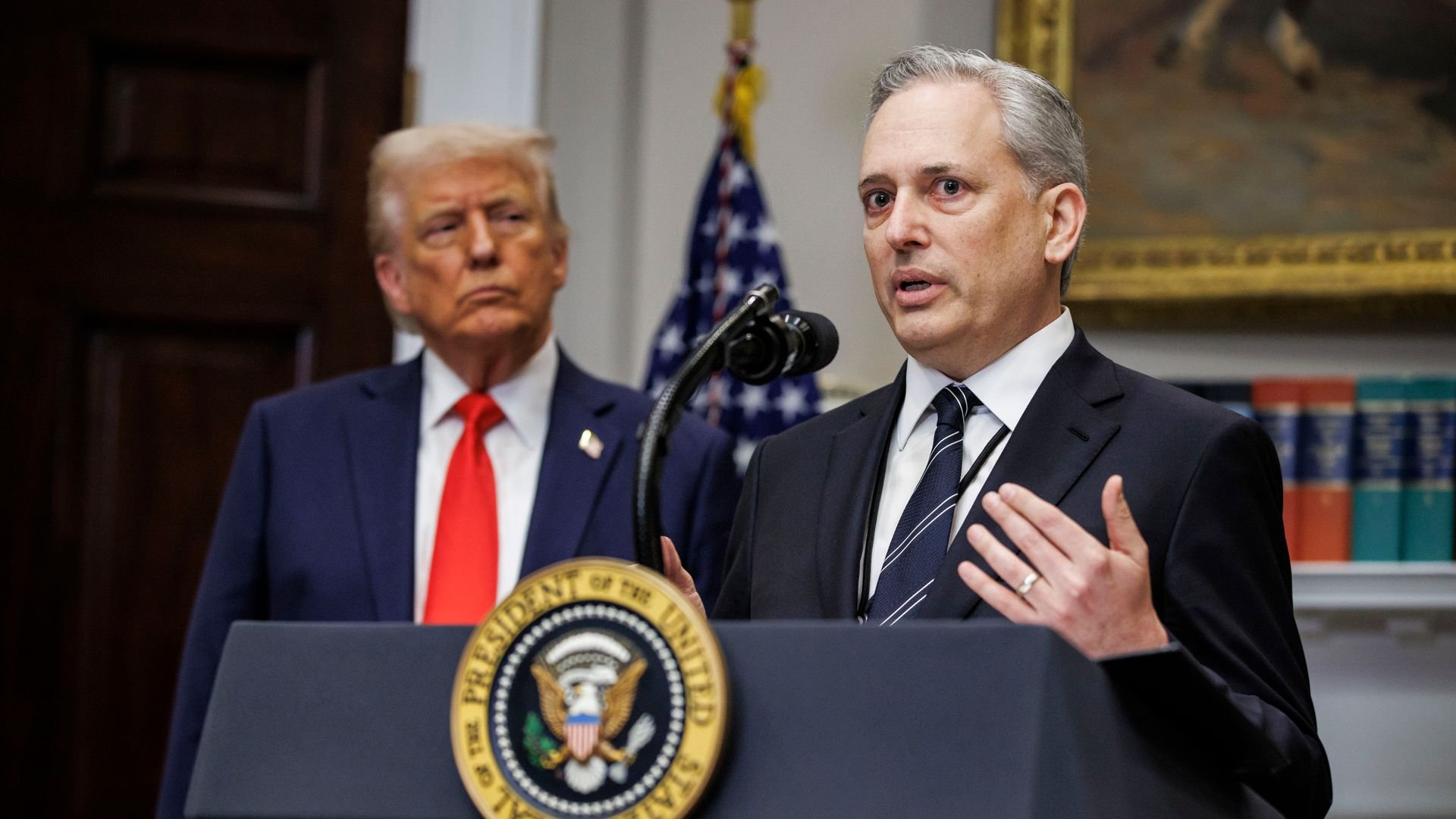
David Sacks, the prominent venture capitalist and former PayPal executive, has assumed a pivotal position within the Trump administration, tasked with shaping the federal government's approach to artificial intelligence policy and regulation.
Background and appointment
The appointment of Sacks comes at a critical juncture for AI development in the United States. As AI technologies rapidly advance across sectors from healthcare to defense, the federal government faces mounting pressure to establish coherent policies that balance innovation with safety concerns.
Sacks brings substantial Silicon Valley credibility to the role. His career spans early involvement with PayPal alongside Peter Thiel and Elon Musk, followed by successful ventures in venture capital through Craft Ventures. The firm has invested in numerous AI startups, giving Sacks firsthand exposure to the technology's potential and challenges.
Policy priorities and focus areas
Sources familiar with the administration's planning indicate Sacks is concentrating on several key areas:
- Regulatory framework development: Working to create guidelines that encourage AI innovation while addressing national security concerns
- International competitiveness: Formulating strategies to maintain U.S. leadership in AI development against Chinese competition
- Industry collaboration: Facilitating partnerships between government agencies and leading AI companies
- Workforce preparation: Addressing the economic implications of AI automation across industries
Industry reactions
The tech industry has responded with cautious optimism to Sacks' appointment. Many executives view his background as beneficial for creating policies that don't stifle innovation. However, some privacy advocates and progressive lawmakers have expressed concern about potential conflicts of interest given Sacks' extensive investments in AI companies.
Strategic implications
Sacks' role represents a significant shift in how the Trump administration approaches technology policy. Rather than relying primarily on career bureaucrats or academic experts, the administration has tapped someone with direct entrepreneurial experience and industry connections.
This approach aligns with broader administration goals of reducing regulatory barriers for American businesses. Sacks is expected to advocate for policies that accelerate AI deployment while addressing security concerns through targeted measures rather than broad restrictions.
Challenges ahead
The position presents numerous challenges. Sacks must navigate complex relationships between:
- Federal agencies with competing priorities regarding AI oversight
- Congress, where lawmakers debate appropriate regulatory approaches
- The tech industry, which seeks clarity on compliance requirements
- International partners and competitors in the global AI race
Additionally, Sacks faces the task of building credibility with career government officials who may be skeptical of industry insiders taking key policy roles.
Timeline and next steps
In the coming months, Sacks is expected to:
- Establish a framework for federal AI governance
- Coordinate with national security agencies on AI applications
- Develop recommendations for congressional action on AI legislation
- Create guidelines for government adoption of AI technologies
The success of these initiatives could significantly influence America's competitive position in the global AI landscape for years to come.
Broader context
Sacks' appointment reflects a larger trend of tech industry figures moving into government roles. This pattern raises questions about the appropriate balance between industry expertise and public interest representation in technology policy.
As AI continues to transform sectors from finance to healthcare, the policies developed under Sacks' guidance will likely shape not just government operations but also the trajectory of private sector AI development across the United States.
Comments
Please log in or register to join the discussion