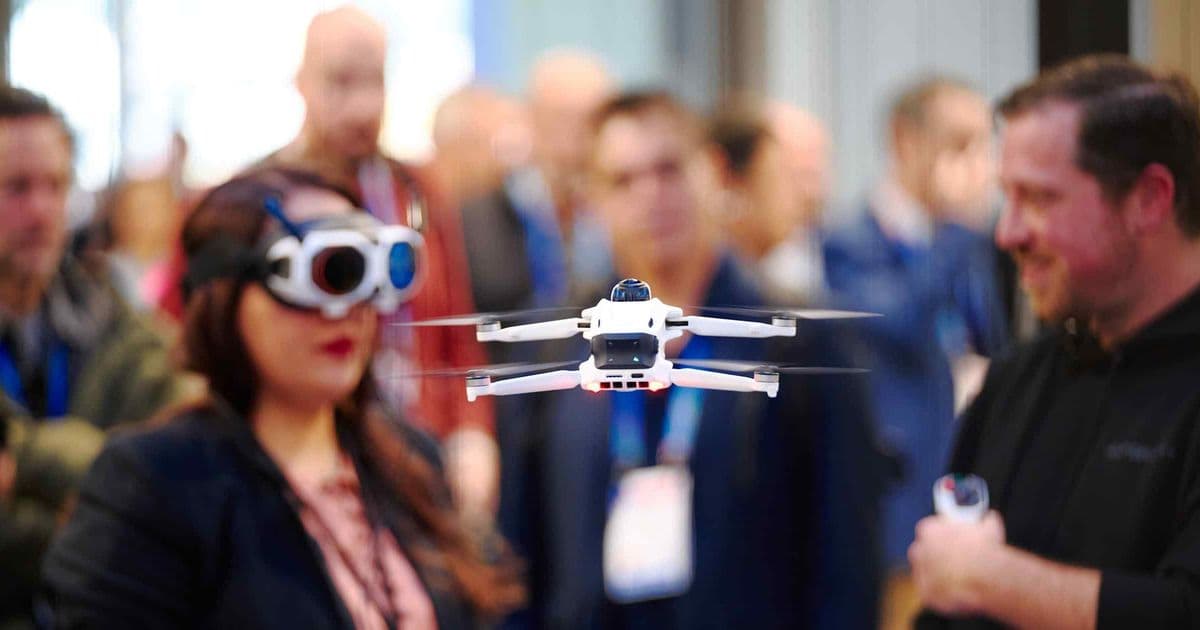
Chinese camera leader Insta360 leverages DJI's regulatory constraints to advance its drone subsidiary Antigravity in the US market, introducing AI-powered hardware while navigating compliance concerns.
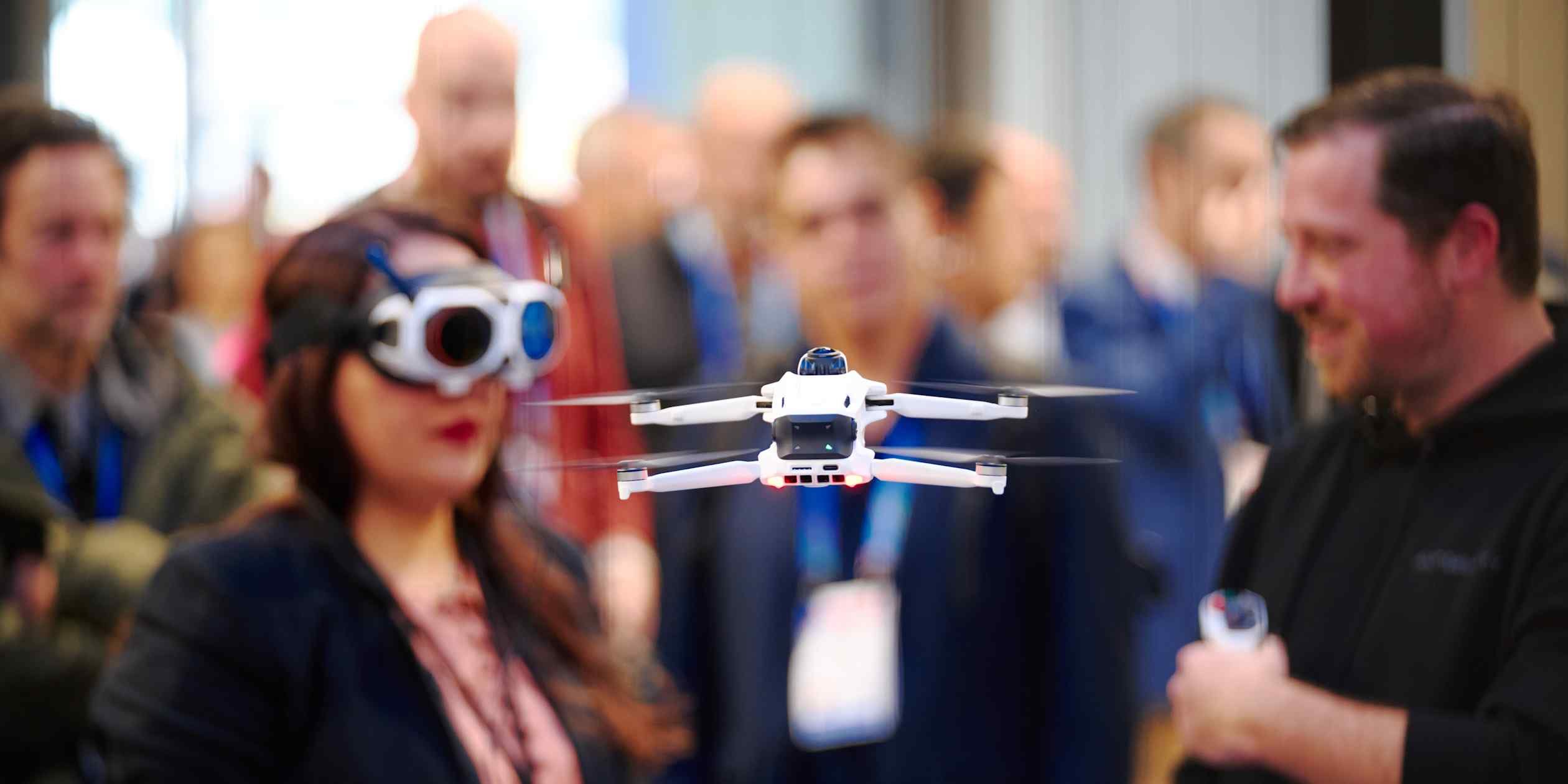
Insta360, the dominant global manufacturer of 360-degree cameras, is aggressively targeting the US drone market through its subsidiary Antigravity, capitalizing on rival DJI's mounting regulatory challenges. At CES 2026 in Las Vegas, the Shenzhen-based company showcased its $1,500 A1 drone equipped with a 4K 360-degree camera and AI capabilities, positioning itself in retail channels including Amazon and Best Buy during a pivotal market shift.
The strategic expansion comes amid tightening US restrictions against Chinese drone manufacturers. In December 2025, the Federal Communications Commission added DJI and Autel Robotics to its national security threat list, blocking approval of new models and critical components. While existing DJI products remain available, the Avata 360 model approved November 19th remains unavailable for US sales despite FCC clearance.
Insta360 co-founder Max Richter acknowledged regulatory risks but emphasized commitment to the US market: "There's always risk, but we keep investing here. Our premium pricing gives us flexibility to absorb tariff impacts, making challenges manageable." The company's CES presence included symbolic marketing tactics, replacing Nikon's traditional yellow shopping bags with Insta360-branded equivalents across exhibition halls.
Antigravity operates as a legally separate entity from Insta360, though the parent company remains a major shareholder providing lens technology and stitching software. CEO Michael Shabun confirmed ambitions for a US IPO and detailed compliance safeguards: "All user data routes through Amazon Web Services without leaving US servers, and our payload detection system disables flight if users attach potentially dangerous accessories."
Financial and strategic considerations underpin the expansion push. With DJI controlling over 70% of the global consumer drone market prior to US restrictions, analysts estimate a $1.2 billion revenue opportunity in the US recreational and prosumer segments now facing supply constraints. Insta360's dual-pronged approach combines premium hardware pricing with operational segmentation - Antigravity reports attracting US venture capital despite investment screening measures targeting Chinese tech firms.
The company's progress occurs against escalating US-China tech tensions. Recent investment restrictions cover AI, quantum computing, and advanced semiconductors, though Shabun notes no current limitations on Antigravity's funding streams. Industry observers highlight the A1's timing as strategically opportunistic, yet warn that sustained success requires navigating persistent regulatory headwinds affecting Chinese hardware manufacturers.
With DJI engaged in ongoing legal battles against Defense Department designations and unanswered security review requests, Insta360's compliant positioning offers a case study in market-entry adaptation. The company's AWS-based data governance and physical safety features represent proactive measures to differentiate from competitors facing geopolitical friction.
Comments
Please log in or register to join the discussion