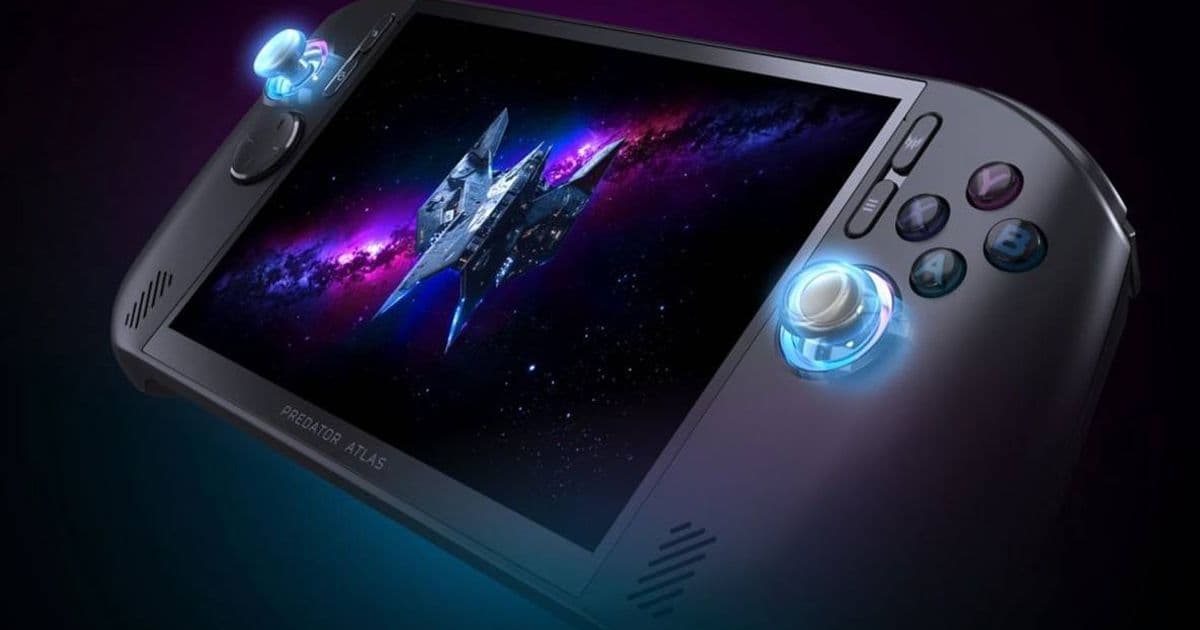
Intel has unveiled the Arc G3 and Arc G3 Extreme SoCs, built on Panther Lake, to bring console‑grade graphics, XeSS 3 AI upscaling and real‑time ray tracing to handheld gaming PCs. Early OEM partners such as Acer, MSI and OneXPlayer will launch devices like the Predator Atlas 8 and Claw 8 EX AI+ in the coming weeks, with full details expected at Computex.
Intel rolls out Arc G3‑Series for handheld gaming PCs
Intel’s latest handheld‑focused silicon, the Arc G3 and Arc G3 Extreme, arrived with a press briefing that emphasized “console‑like accessibility” and a strong push for efficiency. Both chips sit on the new Panther Lake architecture that debuted at CES 2026, pairing 14 CPU cores with a dedicated Xe graphics block. The G3 Extreme steps up the GPU side with an Arc B390 core, 12 Xe compute units and a boost clock of 2.3 GHz, while the standard G3 uses an Arc B370 with 10 Xe cores and a 2.2 GHz peak.
Key specifications
| Feature | Intel Arc G3 | Intel Arc G3 Extreme |
|---|---|---|
| CPU cores | 14 (8P+6E) | 14 (8P+6E) |
| GPU Xe cores | 10 (Arc B370) | 12 (Arc B390) |
| Max frequency | 2.2 GHz | 2.3 GHz |
| TDP range | 8‑30 W | 8‑35 W |
| XeSS version | XeSS 3 (AI upscaling) | XeSS 3 |
| Ray tracing | Supported | Supported |
| Driver model | Day‑0 driver support | Day‑0 driver support |
The chips also bring XeSS 3, Intel’s third‑generation AI‑driven upscaling, which promises sharper images at lower power draw—an essential factor when you’re limited to a 30‑35 W envelope in a handheld. Real‑time ray tracing is on‑board, meaning titles that have been limited to raster‑only modes on other mobile GPUs can now run with reflections and shadows on a palm‑sized device.
Early OEM partners and devices
Intel named three “leading partners” that will ship Arc G3‑powered handhelds in the next few months:
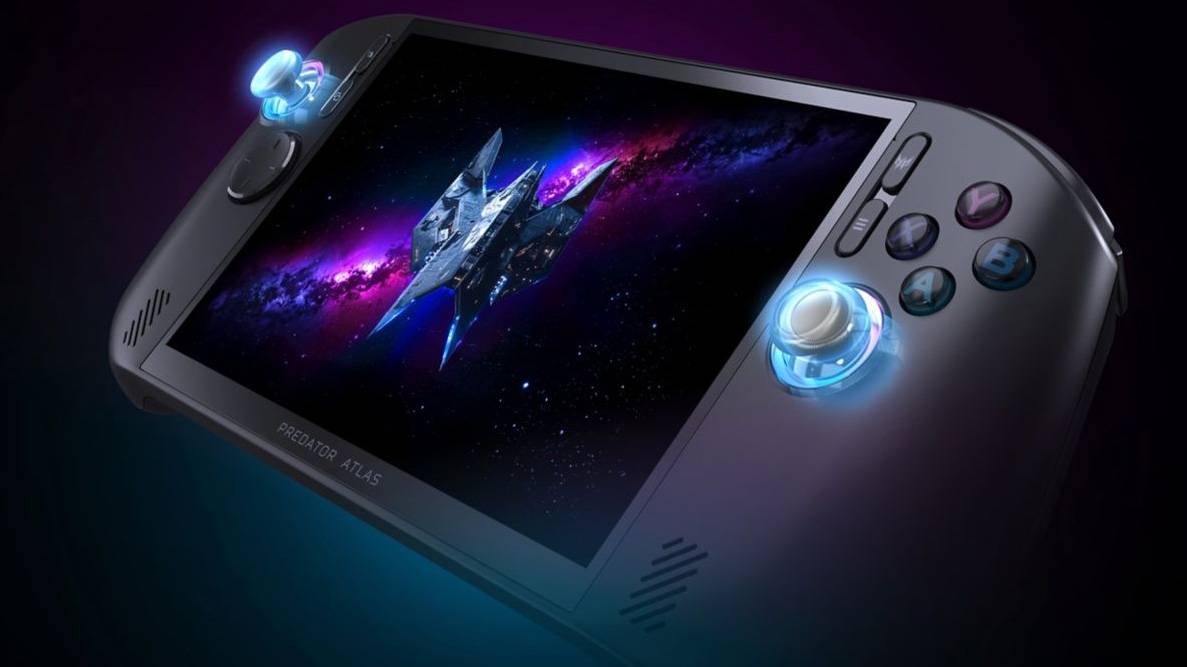
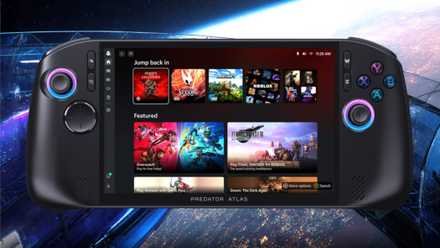
- Acer Predator Atlas 8 – an 8‑inch WUXGA (1920 × 1200) screen, up to 24 GB of LPDDR5 RAM, 1 TB of NVMe storage, and a configurable power‑mode that can run the G3 or G3 Extreme depending on the user’s performance needs.
- MSI Claw 8 EX AI+ – a compact chassis with a detachable controller, featuring an AI‑enhanced audio pipeline and a 120 Hz refresh panel. The device will ship with the Arc G3 Extreme as the default GPU.
- OneXPlayer – a larger 8.4‑inch handheld that targets the enthusiast crowd. Early screenshots show the UI leveraging XeSS 3 to upscale 1080p games to the device’s native 1440p panel while keeping battery life respectable.
All three manufacturers promised “Day‑0” driver updates, meaning the first public driver release will be available at launch, a practice Intel has been refining for its desktop Arc line.
How the Arc G3 fits into the handheld ecosystem
The handheld gaming market has been dominated by AMD’s Ryzen Z1/Z1 Extreme chips, which power the Steam Deck, ASUS ROG Ally and the latest ROG Flow X16. Intel’s entry changes the calculus in a few ways:
- Software compatibility – Intel’s Xe drivers are already integrated into Windows 11 and the latest Linux kernels, so developers won’t need a separate compatibility layer. This could reduce the friction of porting titles that already support DirectX 12 Ultimate.
- Power efficiency – The Panther Lake design uses a hybrid core layout (big‑little) that lets background tasks run on low‑power efficiency cores, extending unplugged playtime. Early benchmarks from Acer suggest the Atlas 8 can push a 2‑hour gaming session at 30 W before throttling, comparable to AMD’s best‑in‑class devices.
- Ecosystem lock‑in – While AMD’s ecosystem is tied to the Radeon Software suite, Intel is bundling its own Intel Graphics Command Center and a cloud‑sync service for game settings. Users who already rely on Intel’s CPU‑GPU synergy on laptops may find the transition seamless, but those invested in AMD’s driver ecosystem might need to re‑tune their performance profiles.
What to expect at Computex
Intel has promised a “flurry of announcements” from its partners at Computex next week. Expect more detailed performance numbers, battery‑life tests, and perhaps a few surprise OEMs that have been quietly prototyping Arc‑based handhelds. The company also hinted at a software development kit (SDK) for XeSS 3 that will let indie studios integrate AI upscaling with minimal code changes.
Bottom line
The Arc G3‑Series marks Intel’s first serious push into the handheld gaming niche. By delivering a full‑featured GPU with ray tracing, AI upscaling and day‑zero driver support, the company is positioning itself as a viable alternative to AMD’s dominance. If the early devices live up to the specifications, gamers will finally have a third major platform to choose from, potentially driving price competition and more innovation in the handheld space.
Stay tuned for live coverage of Computex as Intel’s partners roll out the first Arc G3‑powered handhelds.
Comments
Please log in or register to join the discussion