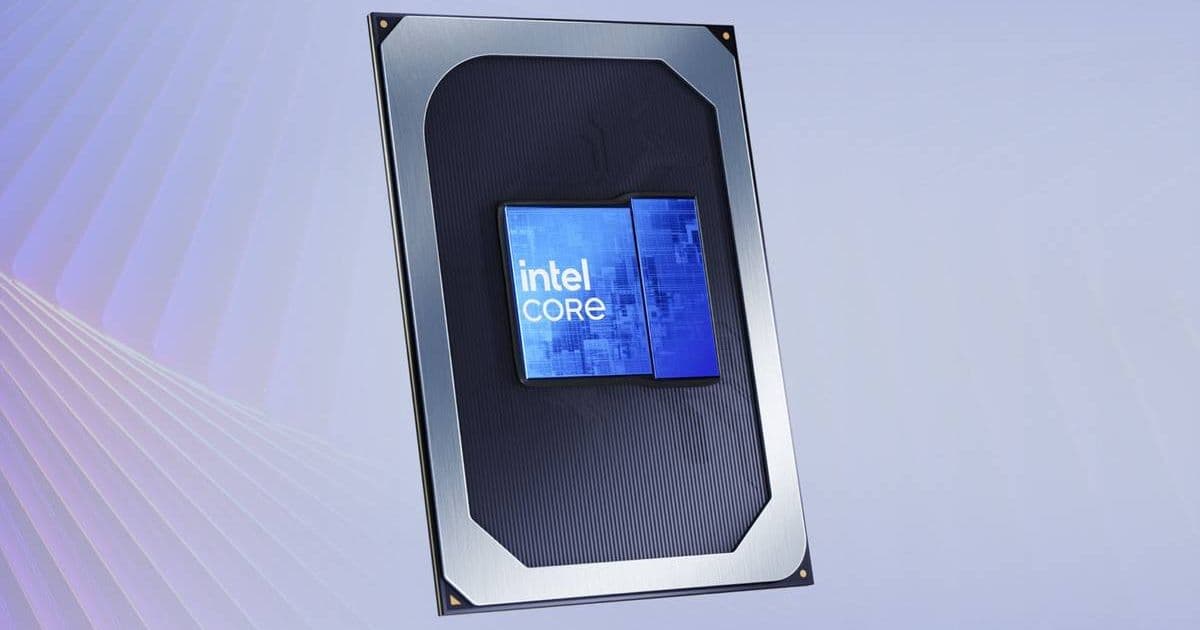
Intel has unveiled its new Core Series 3 processor lineup, designed specifically for budget-conscious laptops and edge computing devices, offering a balance of performance and power efficiency at accessible price points.
Intel has officially unveiled its new Core Series 3 processor lineup, marking the company's latest push into the budget-friendly computing segment while simultaneously addressing the growing demand for efficient edge computing solutions. The announcement, made on April 16, 2026, positions the Core Series 3 as a strategic product that bridges the gap between entry-level performance and specialized edge applications.
Core Series 3 Architecture and Design Philosophy
The Core Series 3 represents a departure from Intel's traditional high-performance approach, instead focusing on efficiency and cost-effectiveness. Built on Intel's 7nm process technology, the new chips feature a hybrid architecture that combines performance cores with efficiency cores, similar to the company's higher-end offerings but optimized for lower power consumption and thermal output.
The processor lineup includes models ranging from dual-core to quad-core configurations, with clock speeds optimized for sustained performance rather than peak bursts. This design philosophy aligns with the target markets of budget laptops and edge devices, where consistent performance and energy efficiency often outweigh raw processing power.
Target Markets and Use Cases
Budget-Focused Laptops
The primary target for the Core Series 3 is the budget laptop segment, which has seen significant growth in recent years as consumers seek affordable computing solutions for everyday tasks. Intel's new processor aims to deliver adequate performance for web browsing, office applications, media consumption, and light content creation while maintaining competitive pricing.
Industry analysts suggest that the Core Series 3 could help manufacturers produce laptops in the $300-500 price range without compromising on essential features. This positioning comes at a crucial time when economic pressures have made budget-friendly options increasingly attractive to consumers.
Edge Computing Applications
Beyond traditional laptops, Intel has positioned the Core Series 3 as an ideal solution for edge computing devices. The processor's low power consumption and compact form factor make it suitable for deployment in various edge scenarios, including industrial IoT, retail kiosks, digital signage, and smart city infrastructure.
The edge computing market has experienced rapid growth as organizations seek to process data closer to its source, reducing latency and bandwidth requirements. Intel's entry into this space with a budget-friendly processor could accelerate the adoption of edge solutions across industries that have been hesitant due to cost constraints.
Technical Specifications and Performance
While Intel has not released comprehensive technical details, early specifications indicate the following key features:
- Process Technology: 7nm fabrication
- Core Configurations: 2-core and 4-core variants
- Integrated Graphics: Intel UHD Graphics with support for modern display standards
- Memory Support: DDR5 and LPDDR5 compatibility
- TDP Range: 9W to 28W, depending on configuration
- AI Acceleration: Basic neural processing unit for on-device AI tasks
Performance benchmarks shared by Intel suggest that the Core Series 3 delivers approximately 30% better performance than previous generation budget processors while consuming 20% less power. This improvement is particularly notable in multi-threaded workloads and sustained performance scenarios.
Market Implications and Competition
The introduction of the Core Series 3 intensifies competition in the budget processor market, where Intel faces challenges from AMD's Ryzen 3 series and ARM-based alternatives from companies like Qualcomm and Apple. By focusing on efficiency and cost-effectiveness, Intel aims to differentiate its offering from competitors who have traditionally dominated the budget segment.
For laptop manufacturers, the Core Series 3 provides additional options for product differentiation. Companies can now choose between Intel's high-performance Core Ultra series, the mainstream Core series, and the new budget-focused Core Series 3, allowing for more granular market segmentation.
Ecosystem and Platform Support
Intel has announced that the Core Series 3 will be supported across its existing platform ecosystem, including compatible chipsets and motherboard designs. This approach simplifies manufacturing and reduces costs for device makers, potentially accelerating the adoption of the new processor.
The company has also emphasized software compatibility, ensuring that the Core Series 3 works seamlessly with existing Windows and Linux distributions. This compatibility is crucial for both laptop users and edge computing deployments that rely on established software ecosystems.
Timeline and Availability
Intel has indicated that the Core Series 3 processors will begin shipping to manufacturers in Q3 2026, with the first wave of devices expected to hit the market by the end of the year. The staggered release allows manufacturers time to design and test products while ensuring adequate supply chain preparation.
Pricing details have not been officially announced, but industry sources suggest that the processors will be priced competitively with existing budget offerings, potentially starting at under $100 for the entry-level models.
Future Outlook
The Core Series 3 represents Intel's strategic bet on the continued growth of budget computing and edge applications. As these markets evolve, the processor's success will depend on its ability to deliver consistent performance while maintaining the cost advantages that make it attractive to manufacturers and consumers alike.
For developers and IT professionals, the Core Series 3 presents new opportunities and challenges. Edge computing applications may need optimization for the processor's architecture, while software developers targeting budget laptops will need to ensure their applications run efficiently on the new hardware.
Intel's move into this segment also signals the company's recognition of changing market dynamics, where performance-per-dollar and energy efficiency are becoming increasingly important metrics alongside raw processing power.
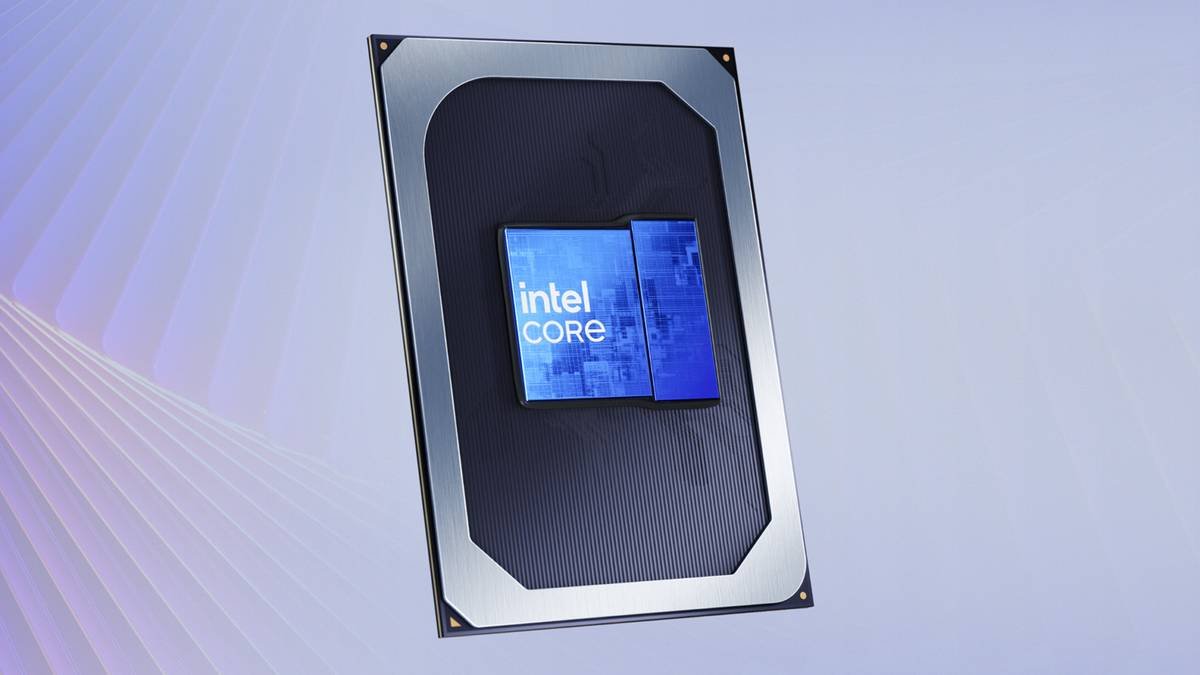
The Core Series 3 launch underscores Intel's commitment to addressing diverse computing needs across the market spectrum, from budget-conscious consumers to specialized industrial applications. As the computing landscape continues to evolve, processors like the Core Series 3 may play a crucial role in democratizing access to capable computing solutions while enabling the next generation of edge computing innovations.
Comments
Please log in or register to join the discussion