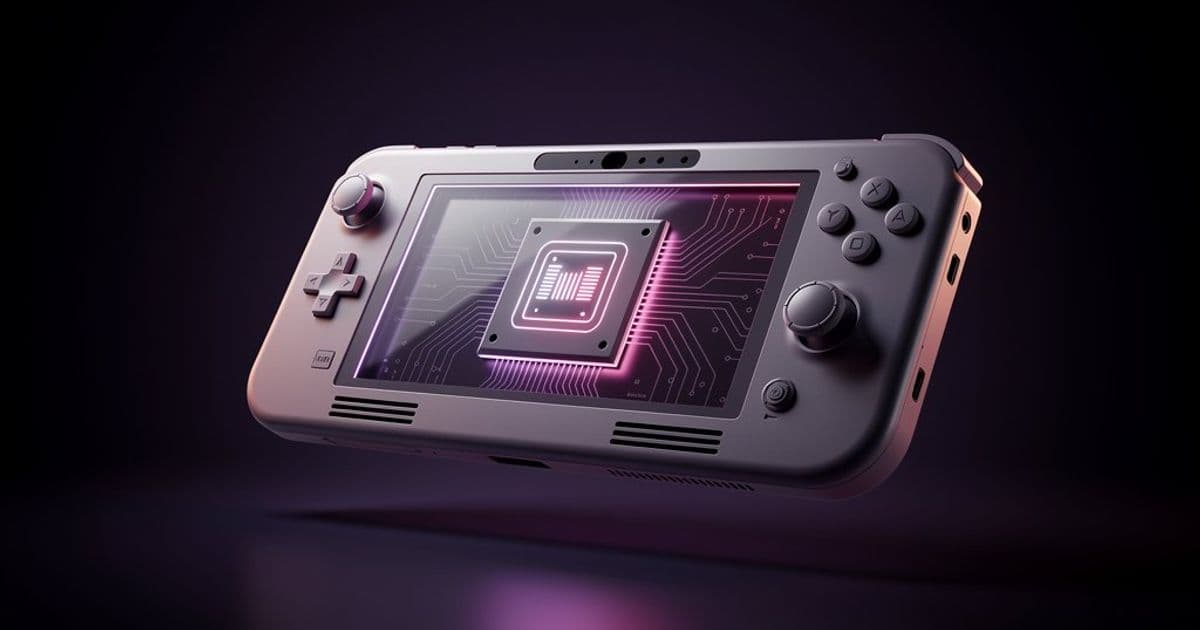
Intel's upcoming Panther Lake architecture could deliver a massive leap for PC handhelds, with early performance hints suggesting it might rival Sony's next-generation console hardware.
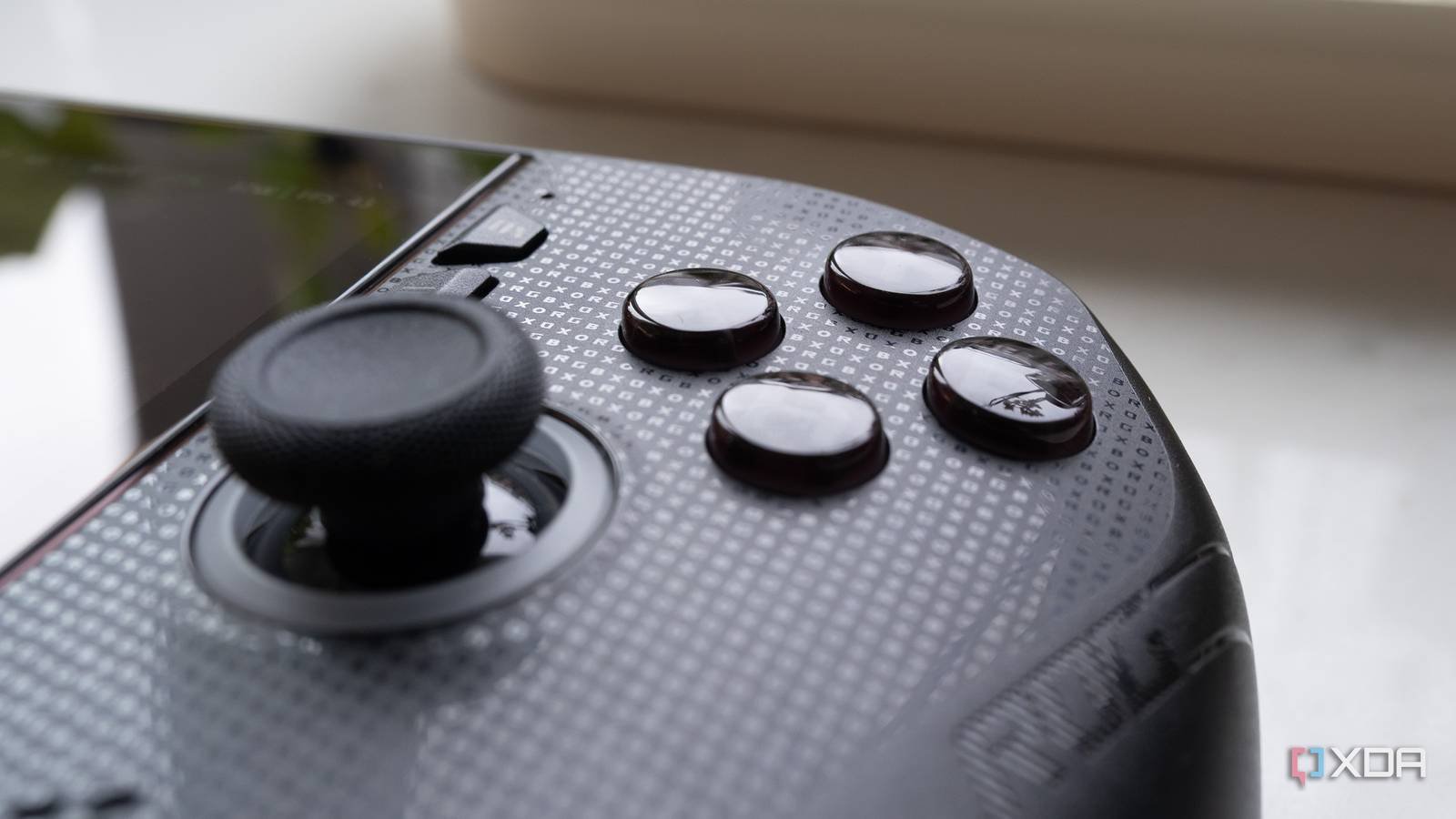
Intel's next-generation Panther Lake mobile processors are generating significant buzz in the PC gaming community, particularly for their potential to transform the handheld gaming landscape. According to recent performance leaks and architectural details, these chips could deliver computational power that approaches the rumored specifications of Sony's PlayStation 6, fundamentally changing what's possible in a portable form factor.
The Performance Claims
The speculation stems from leaked benchmark data and architectural information suggesting Panther Lake will feature Intel's new Cougar Cove performance cores paired with advanced Battlemage graphics. The most optimistic projections indicate graphics performance that could reach 8-10 TFLOPS in the mobile TDP envelope, which would put it in the same ballpark as the PS5's GPU capabilities. While the PlayStation 6 remains unannounced, industry analysts expect Sony's next console to deliver roughly 2-3x the GPU performance of the current PS5, putting the 12-15 TFLOPS range as a reasonable target.
If Panther Lake can achieve even 60-70% of that projected PS6 performance in a 15-28 watt mobile package, it would represent a monumental shift for PC handhelds. Current devices like the ASUS ROG Ally X and MSI Claw 8 utilize Intel's Lunar Lake or AMD's Zen 4/RDNA 3 architectures that, while capable, still struggle with demanding AAA titles at native resolutions.
Architectural Improvements
Panther Lake represents Intel's first true "catch-up" mobile architecture after years of performance deficits against AMD in the mobile space. The chip is expected to feature:
- Cougar Cove P-cores: Intel's next-generation performance cores built on the 18A process node, offering improved instructions per clock and better power efficiency
- Battlemage GPU: The full implementation of Intel's Xe2 graphics architecture with enhanced ray tracing units and better driver maturity
- Advanced media engine: Improved video encoding/decoding that matches or exceeds current discrete GPU capabilities
- Memory subsystem upgrades: Faster LPDDR5X support and improved memory bandwidth utilization
The key advancement is Intel's ability to deliver these improvements within a thermal envelope that handheld manufacturers can manage. Current Lunar Lake chips already demonstrate impressive efficiency, but Panther Lake is expected to push performance-per-watt significantly higher.
Real-World Handheld Implications
For devices like the upcoming ROG Ally 2 or a hypothetical MSI Claw 10, Panther Lake could mean:
Native 1080p gaming becomes viable: Instead of relying heavily on upscaling technologies like FSR or XeSS, handhelds could run many titles at native 1080p with medium-to-high settings. Games that currently require 720p upscaling could run at native resolution with better visual quality.
Ray tracing becomes practical: Current handhelds can technically enable ray tracing, but the performance penalty is severe. Panther Lake's improved ray tracing hardware could make RT effects viable without crippling frame rates.
Longer battery life at current performance levels: The efficiency improvements mean users could get the same 45-60 FPS performance as today's devices but with 20-30% better battery life, or push for higher frame rates while maintaining similar endurance.
Better thermal management: Lower power consumption for the same performance translates to quieter fans and cooler device temperatures, improving comfort during extended gaming sessions.
The Ecosystem Lock-In Consideration
This performance leap has significant implications for the broader PC gaming ecosystem. Microsoft has been pushing the Windows handheld experience with features like the Xbox app optimizations and Game Bar improvements. If Intel can deliver console-level performance in handhelds, it strengthens the argument for Xbox-PC convergence.
However, there's a catch. Sony and Microsoft have spent decades optimizing their closed ecosystems. A PS6 will benefit from:
- Fixed hardware specifications for developers to target
- Deep OS-level optimizations
- Proprietary compression technologies
- Direct storage integration
- Custom silicon features
Intel's Panther Lake will need to overcome the fragmentation of the PC platform, where developers must account for variable hardware configurations. This is where Intel's work with ISVs (independent software vendors) and its own driver team becomes critical.
Timeline and Market Reality
Panther Lake is expected to launch in late 2025 or early 2026, positioning it as a competitor to AMD's Zen 6 mobile parts and potentially aligning with the PS6 timeline. The first devices will likely be premium handhelds priced at $800-$1,000, significantly higher than current $600-$700 flagships.
The real question is whether consumers will accept handhelds approaching console pricing. The current handheld market thrives on the $500-$700 range. If Panther Lake devices need to hit $800-$1,000 to accommodate the chip cost and cooling requirements, it could limit mainstream adoption.
The Bottom Line
Panther Lake represents Intel's best opportunity to establish true leadership in mobile gaming. If the performance leaks hold true, we're looking at a generation where PC handhelds don't just match console performance—they potentially exceed what current-gen consoles can do, while offering the flexibility of a full Windows PC.
The PS6 will likely maintain its advantages in pricing, simplicity, and developer optimization, but the gap between console and portable PC performance is closing faster than many expected. For gamers who value portability without compromise, Panther Lake could be the architecture that finally delivers on the promise of console-quality gaming anywhere.
The next 18 months will be critical. Intel needs to execute flawlessly on 18A process yields, AMD needs to respond with Zen 6, and Sony needs to define what PS6 actually represents. Until then, Panther Lake remains a tantalizing glimpse of a future where your handheld might just be as powerful as your living room console.
For more information on Intel's upcoming architectures, visit Intel's official newsroom or check out Panther Lake architecture details as they become available.
Comments
Please log in or register to join the discussion