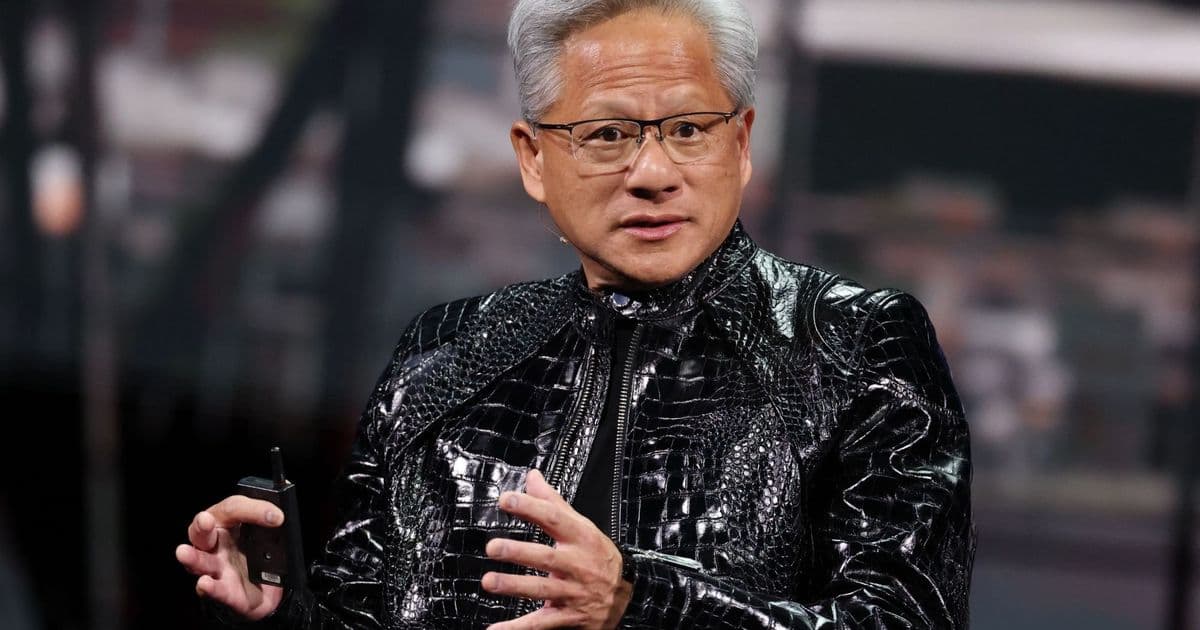
Nvidia chief Jensen Huang appeared on the No Priors podcast to challenge the growing narrative around superintelligent AI, calling the concept of a 'god AI' a myth that won't materialize for decades, while simultaneously condemning industry influencers who promote doomsday scenarios as 'extremely hurtful' to AI development and society.
Nvidia CEO Jensen Huang has taken a firm stance against what he describes as the "doomer narrative" surrounding artificial intelligence, arguing that the concept of a superintelligent "god AI" is fundamentally misunderstood and that pessimistic influencers are causing real damage to the industry's progress.
During his appearance on the No Piers podcast, Huang directly addressed the growing fear-mongering around AI's potential for catastrophic outcomes. The Nvidia chief, whose company has become the primary beneficiary of the current AI boom, made it clear that he views these narratives as not just incorrect, but actively harmful.
The Myth of 'God AI'
Huang's central argument revolves around the concept he calls "god AI" — a hypothetical superintelligence that could understand and master all forms of language, biological codes, and physical phenomena simultaneously. According to Huang, this vision of AI is fundamentally flawed in both timeline and feasibility.
"I don't see any researchers having any reasonable ability to create god AI," Huang stated bluntly. He elaborated on what such an AI would need to accomplish: "The ability [for AI] to understand human language, genome language, and molecular language and protein language and amino-acid language and physics language all supremely well. That god AI just doesn't exist."
The timeline Huang proposes is far more extended than the doomsday prophets suggest. While acknowledging that "someday we might have god AI," he frames this possibility on a "biblical or galactic scale" — meaning timelines measured in centuries or millennia, not weeks or years. This directly contradicts the narrative pushed by some AI researchers and influencers who claim we're on the verge of artificial general intelligence (AGI) that could surpass human capabilities within years.
Huang's perspective is grounded in the practical realities of current AI development. While models like GPT-4 and other large language models have shown impressive capabilities in specific domains, they remain fundamentally narrow tools. They excel at pattern recognition within their training data but lack the integrated understanding across multiple domains that would characterize true "god AI." The gap between current transformer architectures and a system that can simultaneously decode human language, genetic sequences, protein folding, and quantum physics is not merely a matter of scale — it's a fundamental architectural challenge that researchers haven't even begun to solve.
Rejecting Monolithic AI Control
Perhaps more significantly, Huang expressed that he doesn't actually want such a god-level AI to exist. His reasoning combines practical concerns about power concentration with philosophical objections to centralized control.
"I think that the idea of a monolithic, gigantic company/country/nation-state is just.. super unhelpful, it's too extreme," Huang explained. He took this objection to its logical conclusion: "If you want to take it to that level, we should just stop everything..."
This stance reflects a broader vision of AI development that favors distributed, specialized systems over a single all-encompassing intelligence. For Nvidia, this vision aligns perfectly with their business model — the company profits from selling the infrastructure (GPUs, networking, software stacks) that enables thousands of organizations to develop their own AI applications, rather than from a single breakthrough AGI that would make all other AI development obsolete.
Huang's preference for decentralized AI development also addresses concerns about AI safety and control. A single "god AI" would represent an unprecedented concentration of power, whether controlled by a corporation, government, or international consortium. By contrast, the current ecosystem of specialized AI tools spread across multiple organizations and use cases creates natural checks and balances.
The 'Extremely Hurtful' Doomer Narrative
Huang reserved his strongest criticism for influencers and public figures who he believes are spreading fear about AI's potential for catastrophic outcomes. He described their impact as "extremely hurtful," arguing that the damage extends beyond the tech industry to society at large.
"We've done a lot of damage lately with very well respected people who have painted a doomer narrative, end of the world narrative, science fiction narrative," Huang said. While acknowledging that "most of us grew up enjoying science fiction," he insisted that "it's not helpful. It's not helpful to people, it's not helpful to the industry, it's not helpful to the society, it's not helpful to the governments."
The "doomer" label refers to a growing movement in AI discourse that emphasizes existential risks from advanced AI. This includes figures like Eliezer Yudkowsky, who has argued that AGI will inevitably lead to human extinction, and organizations like the Future of Life Institute, which have called for pauses in AI development. These voices have gained traction in policy circles, with some governments taking their warnings seriously.
Huang's critique suggests these narratives create unnecessary barriers to AI adoption and investment. By framing AI as an existential threat, doomers may be slowing down beneficial applications that could address real-world problems like labor shortages, medical research, and climate modeling. For Nvidia, which has staked its future on AI becoming ubiquitous infrastructure, this narrative represents a direct threat to their growth trajectory.
The Reality of AI's Current Impact
While Huang advocates for AI's potential to "advance the human population as much as possible," the actual data on AI's real-world effectiveness presents a more complicated picture. This tension between vision and reality is crucial to understanding the current state of the technology.
Stanford University's Institute for Human-Centered AI reported last year that job listings requiring AI skills have actually decreased by 13% over a three-year period, despite the massive hype around AI capabilities. This suggests that while companies are experimenting with AI, they haven't yet found widespread applications that justify hiring AI specialists at scale.
Even more striking, Fortune reported that 95% of AI implementations have no measurable impact on profit and loss statements. This statistic, while potentially overstated, points to a fundamental challenge: most organizations are struggling to translate AI's technical capabilities into tangible business value. The gap between AI's potential and its actual performance in production environments remains substantial.
These statistics don't necessarily contradict Huang's long-term vision, but they do highlight the gap between current capabilities and the transformative applications that justify the massive infrastructure investments being made. Meta's recent announcement of a 6-gigawatt nuclear power plant for AI datacenters, following OpenAI's Stargate Project, represents a bet on future capacity that far exceeds current utilization.
AI as a Solution to Labor Shortages
One specific application Huang has emphasized is AI's potential to address labor shortages, particularly through robotics. Last week, he described robots as "AI immigrants" — a framing that positions automation as a supplement to human labor rather than a replacement.
This concept addresses demographic challenges in developed economies where aging populations and declining birth rates are creating persistent labor shortages. In this context, AI-powered robots could fill critical gaps in healthcare, manufacturing, and service industries.
However, this vision faces practical hurdles. Current robotics technology, while improving, remains limited in its ability to handle the unstructured environments and complex decision-making required for many human jobs. The gap between Huang's vision of helpful AI immigrants and the reality of today's narrow AI tools remains significant.
The Infrastructure Play
Behind Huang's philosophical arguments lies a clear business strategy. Nvidia has positioned itself as the essential infrastructure provider for the AI era, selling the GPUs, networking equipment, and software that make AI development possible. This strategy requires widespread AI adoption across thousands of organizations and use cases — not a single breakthrough AGI that would consolidate all development.
By arguing against the "god AI" narrative and promoting practical, distributed AI applications, Huang is defending Nvidia's business model against both existential threats (superintelligent AI that makes their hardware obsolete) and regulatory headwinds (governments restricting AI development due to doomsday fears).
The company's recent financial performance validates this strategy. Nvidia's market capitalization has surged past $2 trillion, driven by demand for its H100 and upcoming Blackwell GPUs from cloud providers, enterprises, and research institutions building specialized AI applications.
Looking Forward
Huang's comments represent a significant intervention in the ongoing debate about AI's future direction. By directly challenging the doomer narrative and the concept of imminent god AI, he's staking out a position that favors continued rapid development and deployment of practical AI tools.
This stance puts him at odds with some of his peers in the AI research community. Leaders like OpenAI's Sam Altman and DeepMind's Demis Hassabis have expressed concerns about AI risks while simultaneously pushing forward with more capable models. Huang, by contrast, appears to be arguing that the risks have been overstated and that the benefits of accelerated development outweigh any hypothetical dangers.
For the broader AI ecosystem, Huang's perspective offers a counterbalance to the increasingly cautious tone from other industry leaders. While doomsday narratives may generate headlines, Huang's vision of distributed, practical AI development backed by massive infrastructure investment is what's actually happening on the ground.
The reality likely lies somewhere between Huang's optimistic vision and the doomer's catastrophic warnings. Current AI systems are far from superintelligent, but they're also having measurable impacts on labor markets and business operations. The challenge for the industry is to navigate between these extremes — accelerating beneficial applications while addressing legitimate concerns about safety, equity, and control.
Nvidia's position at the center of this ecosystem gives Huang's voice particular weight. As the primary enabler of AI development worldwide, the company's perspective on AI's trajectory and risks shapes investment decisions, policy discussions, and research priorities across the global technology landscape.
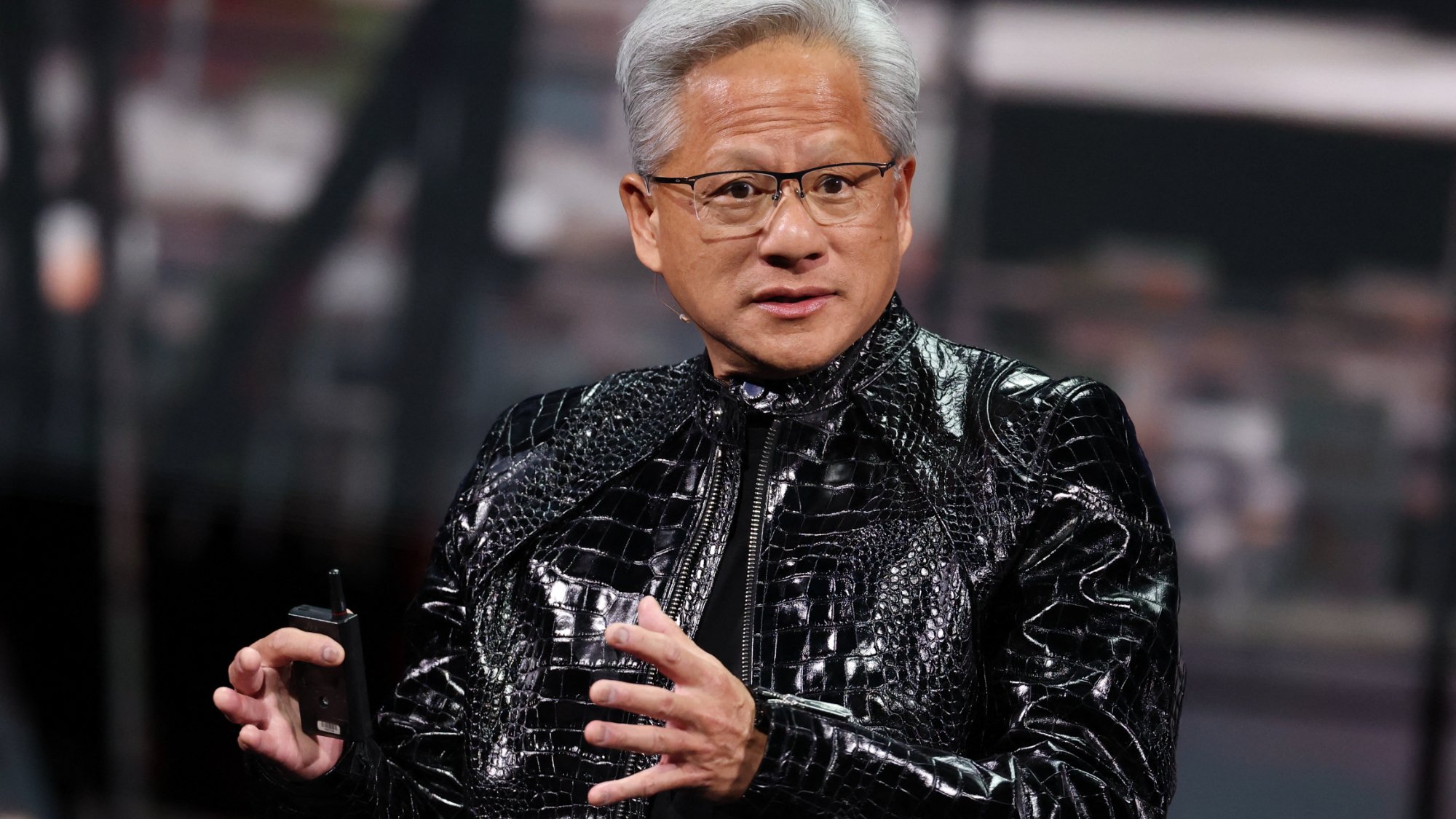
Nvidia CEO Jensen Huang has become one of the most influential voices in the AI industry, with his comments on AI development carrying significant weight due to Nvidia's central role in providing the infrastructure for AI systems.
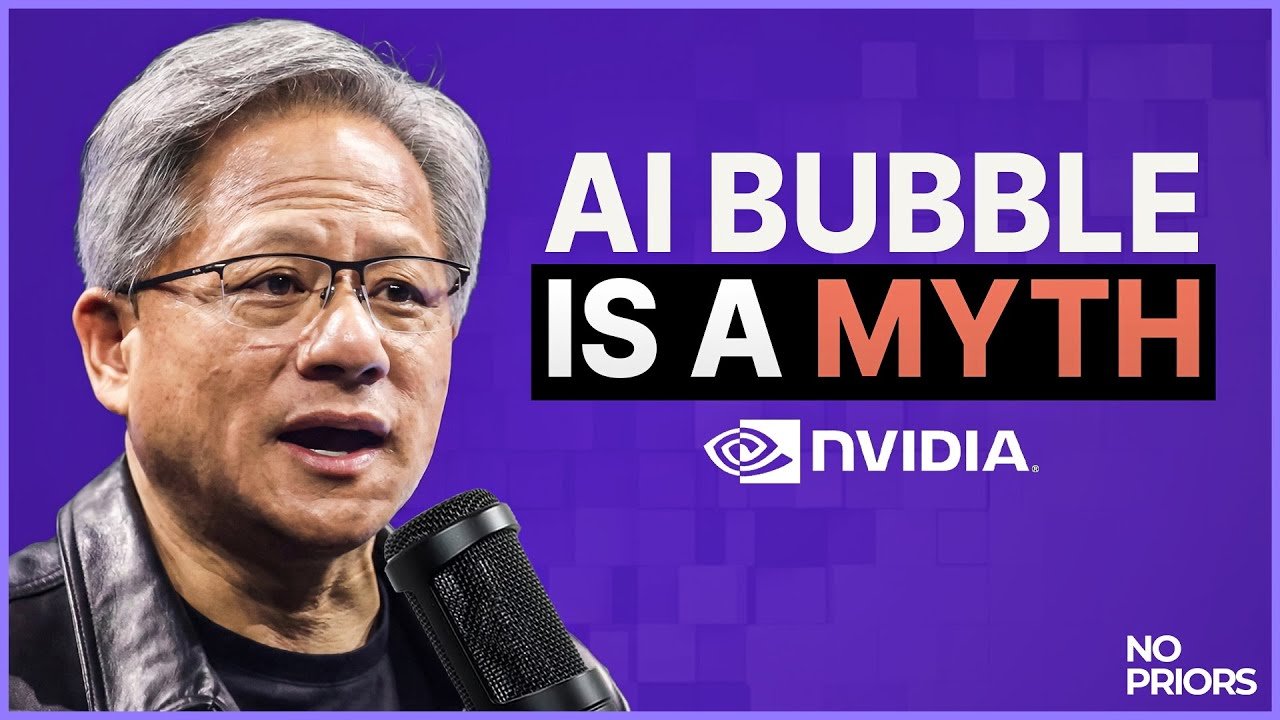
During the No Piers podcast, Huang directly addressed concerns about AI's future trajectory and the narratives being promoted by industry influencers.

The discussion covered multiple aspects of AI development, from technical capabilities to societal impacts and industry dynamics.
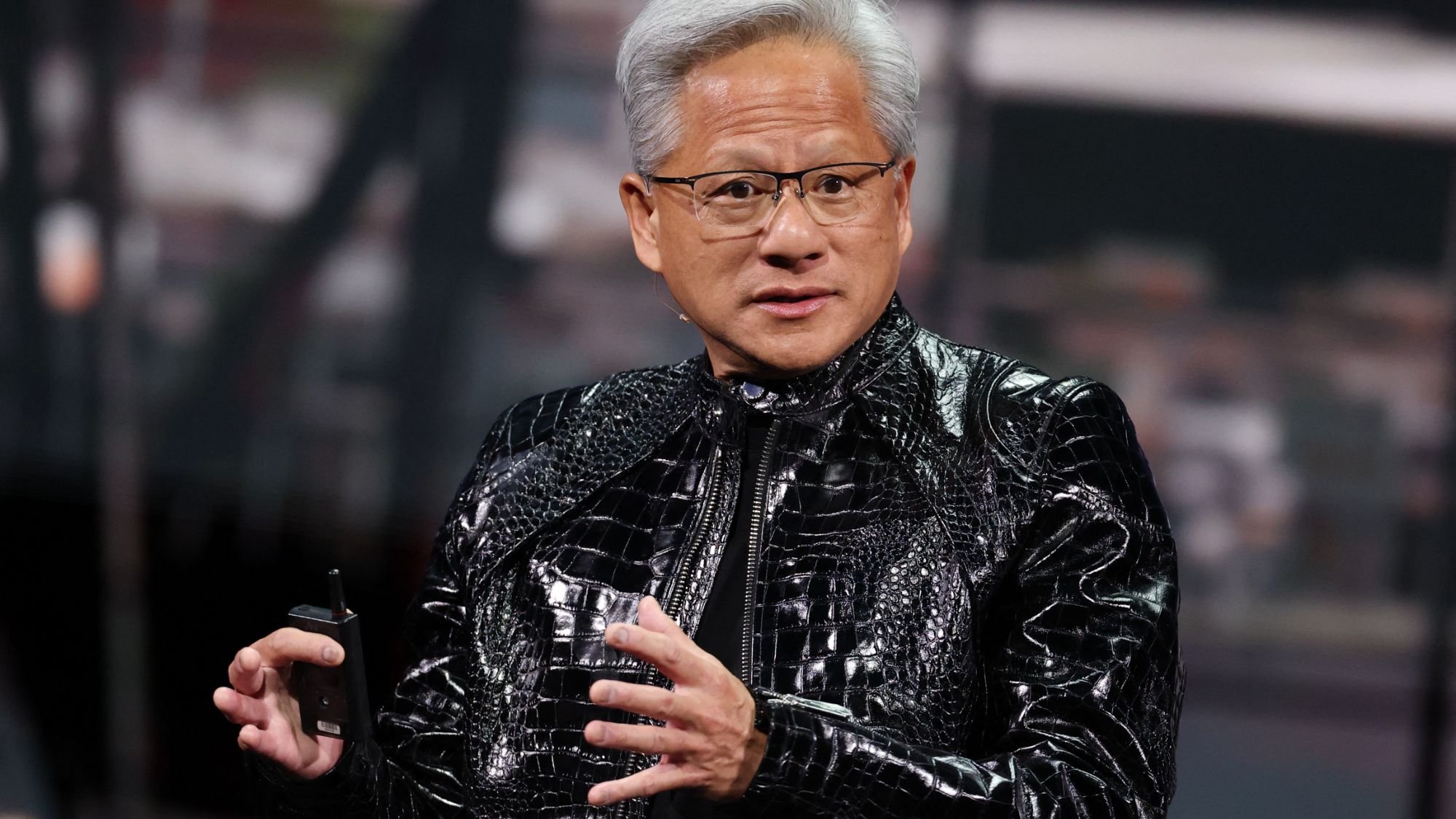
Huang's perspective represents a significant counterpoint to the growing doomer narrative in AI discourse.
Comments
Please log in or register to join the discussion