
iOS 27 brings a long-overdue search overhaul to Apple Mail, leveraging AI-powered ranking to surface relevant results. For developers, this signals Apple's broader investment in on-device intelligence and sets new expectations for search UX across iOS apps.
Apple's Mail app has carried a reputation for subpar search for years. Anyone who has spent time on iOS knows the frustration of hunting for an email only to watch the search algorithm surface irrelevant results while the message you need sits buried deep in your inbox. iOS 27 finally addresses this with a fundamental rewrite of how Mail handles search, and the implications extend well beyond email.

The Upgrade: From Keyword Matching to Semantic Understanding
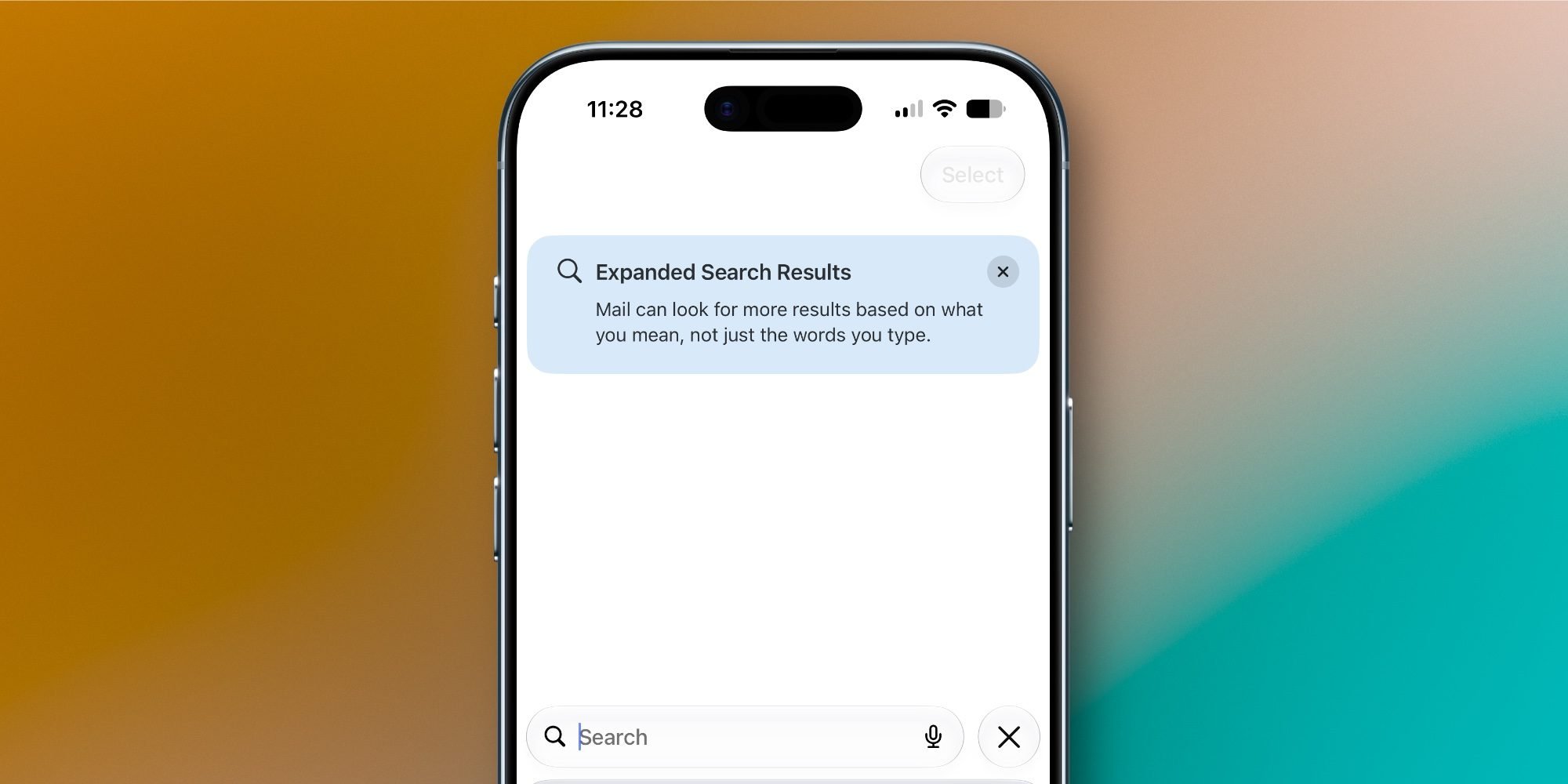
The core change in iOS 27's Mail search is a shift from rigid keyword matching to a system that attempts to understand user intent. When you open search in the updated Mail app, a banner appears highlighting "Expanded Search Results" with the explanation that Mail can now look for results based on what you mean, not just the words you type.
This is a meaningful distinction. Previous versions of Mail search operated on basic text matching, which meant searching for "flight confirmation" would only find emails containing those exact words. If the email used "booking receipt" or "travel itinerary" instead, it would slip through the cracks. The new system uses semantic ranking to surface results that are conceptually related to the search query.
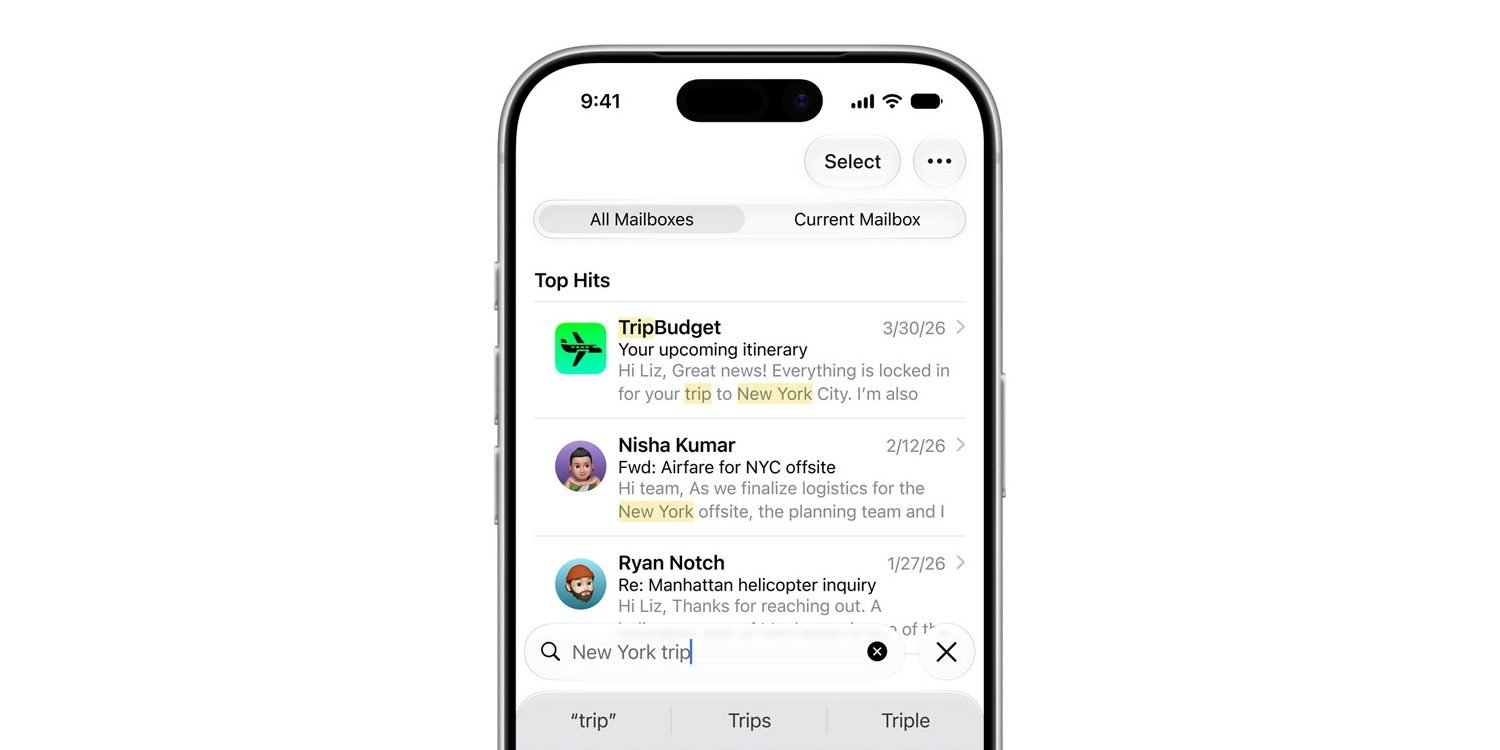
From Apple's perspective, this is positioned as part of a broader intelligence layer across iOS. The ranking system is likely tied to the same on-device machine learning infrastructure that powers Siri suggestions, Spotlight, and system-wide intelligence features. This isn't a isolated Mail improvement; it's a signal of where Apple's AI investment is heading.
Developer Impact: Raising the Bar for Search UX
For iOS developers building apps with search functionality, this update creates both pressure and opportunity.
The Pressure: Users will increasingly expect search that works the way Apple's does. If Mail can surface semantically related results, users will wonder why your app's search still requires exact keyword matches. This is particularly relevant for productivity apps, note-taking tools, communication platforms, and any app where users need to locate specific information from a growing dataset.
The Opportunity: Apple is exposing more of its on-device ML capabilities through frameworks like Core ML and Natural Language. Developers can build similar semantic search experiences without requiring server-side infrastructure. The Natural Language framework in iOS has supported word embeddings and language identification for several versions, and iOS 27 likely extends these capabilities further.

Consider a practical example: a note-taking app like Bear or Obsidian could implement semantic search that finds notes about "project deadlines" even when the note contains "due dates" or "milestones." The technology is now accessible enough that this isn't a research project; it's an engineering task.
Cross-Platform Considerations
If you're maintaining apps on both iOS and Android, this creates an interesting divergence. Android's Gmail search has long been more capable than Apple Mail's, largely because Google's search infrastructure has always been core to their business. Apple's approach differs fundamentally: they're building this intelligence on-device, which means better privacy guarantees but potentially different performance characteristics.
For cross-platform teams, the practical question is whether to build a unified search backend or leverage platform-native capabilities. Apple's on-device approach means you can offer Mail-like semantic search without sending user data to a server, which is a significant privacy win. Android's on-device ML capabilities through ML Kit and TensorFlow Lite offer similar possibilities, but the implementation details differ.
The pragmatic approach for most teams is to use a shared data layer with platform-specific search implementations. Let Core ML handle semantic ranking on iOS, let ML Kit handle it on Android, and keep your data model consistent across both.
Migration and Implementation Notes
If you're updating an existing app to take advantage of improved search capabilities in iOS 27, here are the key considerations:
API Availability: The Natural Language framework's NLEmbedding classes provide word and sentence embeddings that can power semantic similarity. Check the iOS 27 release notes for any new APIs in this space, as Apple typically iterates on these capabilities with each major release.
Performance: On-device ML inference has gotten significantly faster, but semantic search still requires more computation than simple text matching. Profile your search performance carefully, especially for apps with large datasets. Consider implementing search result caching and progressive loading.
Backward Compatibility: iOS 26 and earlier devices won't have the same ML capabilities. You'll need to implement graceful fallbacks to keyword-based search for users on older versions. This is a good argument for abstracting your search implementation behind a protocol that can swap between semantic and keyword approaches.
Privacy: Apple's on-device approach means your search index lives on the user's device. This is great for privacy compliance (GDPR, CCPA) but means you need to handle index building and maintenance locally. Plan for initial indexing time when users first open your app after an update.
The Bigger Picture
Apple's Mail search overhaul fits into a pattern we've seen across iOS 27: Apple is making on-device intelligence more capable and more visible to users. This creates a rising tide effect where user expectations for intelligent features increase across all apps.
For mobile developers, the takeaway is clear: search is no longer just a utility feature. It's becoming a differentiator. Apps that offer intelligent, context-aware search will feel modern and capable. Apps that rely on basic text matching will feel dated.
The good news is that the tools to build these experiences are more accessible than ever. Apple is investing heavily in on-device ML frameworks, and the gap between what Apple builds for its own apps and what third-party developers can build is narrower than it has ever been.
If you're working on an iOS app with search functionality, iOS 27 beta is worth testing now. See how your app's search compares to the new Mail search experience, and start planning how to close the gap. Your users will notice the difference.
Comments
Please log in or register to join the discussion