
Apple is extending the iPhone 17's Dual Capture trick to FaceTime in iOS 27. Both front and rear cameras stream at once, with one catch developers and users should understand: only iPhone 17 and later can originate the dual feed, though everyone on iOS 27 can receive it.
Apple is taking a hardware-gated camera feature it shipped with the iPhone 17 last fall and wiring it into FaceTime for iOS 27. The new Dual Camera mode lets you broadcast your front and rear camera views simultaneously during a call, and the rollout follows a familiar Apple pattern: newer silicon gets the capability, older devices get a degraded but still functional experience.

What actually changed
When the iPhone 17 family launched, it introduced Dual Capture in the Camera app. That feature uses the Center Stage front camera and the rear camera at the same time when recording video, producing a combined frame that shows both the subject and whatever they're pointing at. iOS 27 ports the same idea into FaceTime.
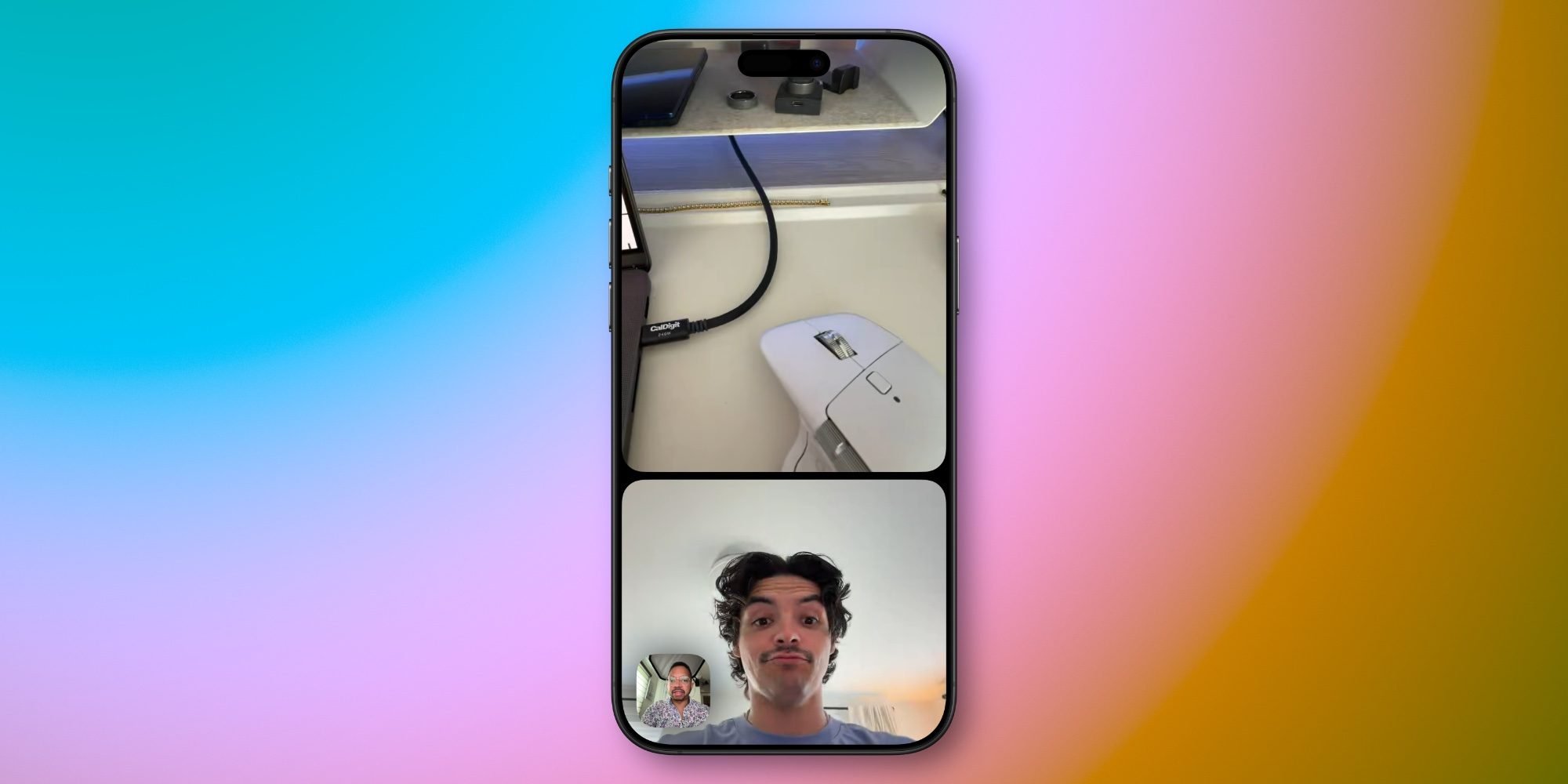
If you're on an iPhone 17, iPhone 17 Pro, 17 Pro Max, or iPhone Air, tapping the 'Flip' button in the FaceTime camera viewfinder no longer just swaps between front and back. It enables dual camera mode by default, keeping your front-facing view active while turning on the rear camera. A second tap disables the front camera if you want the traditional single-stream behavior. The default favors showing both, which is a deliberate choice that changes the muscle memory around that button for anyone upgrading from an older handset.
The compatibility split developers and users need to track
This is where the platform requirements get specific, and where it matters if you build communication apps or support users across a device fleet. There are two separate conditions at play.
First, originating a dual camera stream requires iPhone 17 hardware or newer. The feature depends on the camera system and processing introduced with that generation, so an iPhone 16 or 15 simply cannot produce the combined feed. Second, receiving a dual camera stream only requires iOS 27. An older iPhone running the new OS will display the dual feed coming from a compatible device perfectly well; it just can't send one back.
The practical result is an asymmetric call. Picture a FaceTime session between an iPhone 17 Pro and an iPhone 15, both on iOS 27. The Pro user can show both cameras at once, and the iPhone 15 user sees that dual view. But the iPhone 15 user is limited to a single camera on their own end. Both participants also need to be on iOS 27 for the feature to engage at all. If one person is still on iOS 26, the dual stream won't be available on the call.
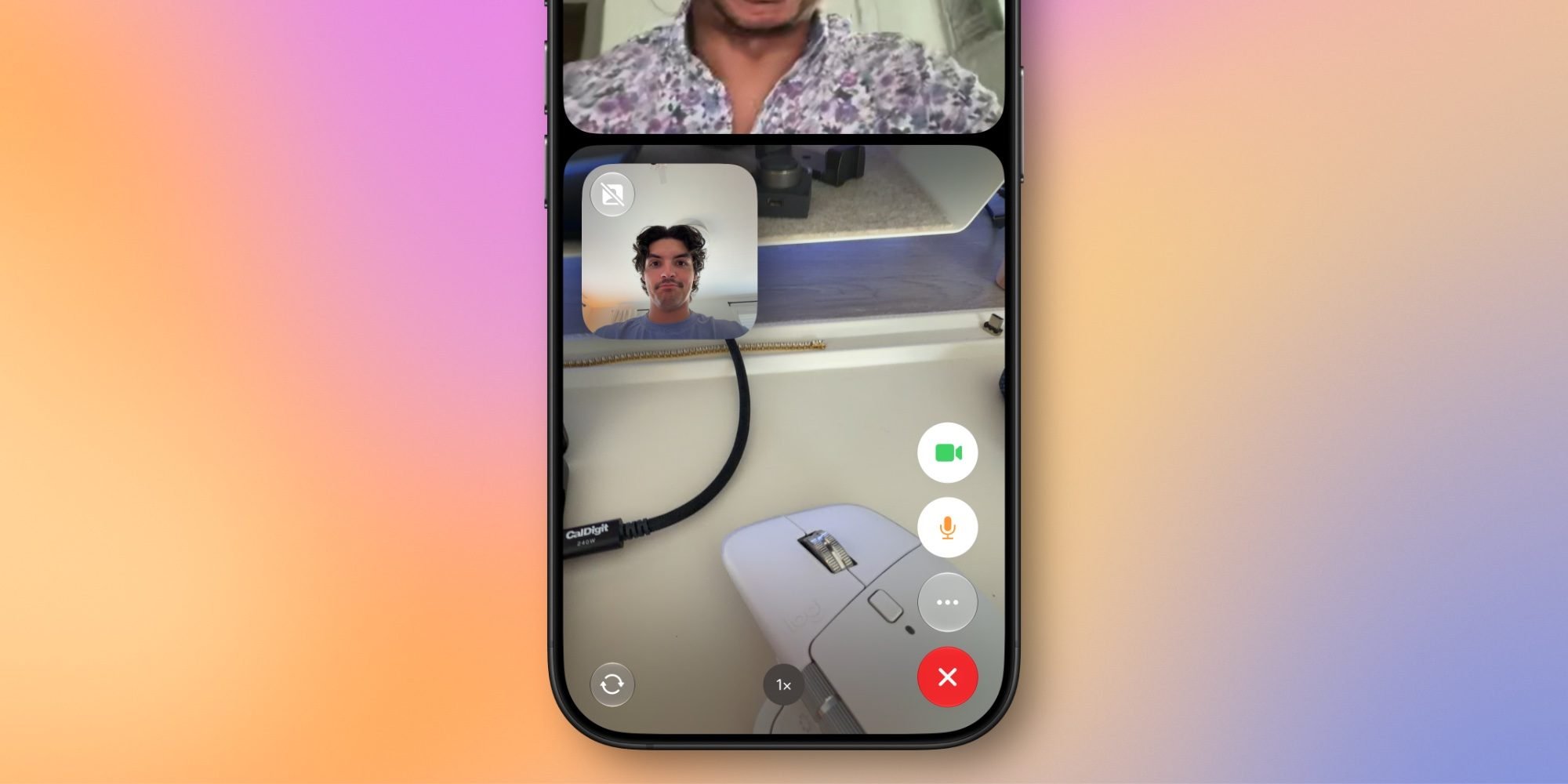
The 9to5Mac team, including Fernando Silva and Jeff Benjamin, tested the behavior in the iOS 27 beta and confirmed this split. It's a sensible compromise. Apple gets to ship a feature tied to new hardware without fragmenting the FaceTime experience so badly that older-device owners see nothing.
Why the hardware gate exists
Running two camera pipelines concurrently is more demanding than it sounds. The system has to capture, process, and encode two video streams in real time, then composite them for transmission while managing thermals and battery draw on a phone. The iPhone 17 generation's image signal processor and the Center Stage front camera are what make this feasible at acceptable quality and power cost. That's the same reason Dual Capture stayed exclusive to those models in the standalone Camera app. FaceTime adds live encoding and network transmission on top, which only raises the bar.
For anyone maintaining cross-platform calling experiences, the takeaway is that Apple continues to treat multi-camera capture as a premium, hardware-bound capability rather than a software feature it can backport. If you're comparing this against what's possible on the Android side, multi-camera concurrent capture has existed in the Camera2 and CameraX APIs for a while via getConcurrentCameraIds, but it remains device-dependent there too, gated by what each OEM's camera HAL actually supports. Neither platform treats simultaneous front-and-rear streaming as universally available, and both push the heavy lifting onto recent silicon.
What to do about it
If you're a user, the upgrade path is straightforward: the feature arrives with iOS 27 this fall, and you'll get full sending capability only on iPhone 17 or later. Everyone else on the update still benefits as a viewer.
If you build or support apps, the lesson is in the asymmetry. Features that depend on the latest capture hardware will keep producing calls where participants have different capabilities, and the cleaner experiences will be the ones that degrade gracefully rather than hiding functionality entirely. Apple's choice to let older devices receive the dual feed while blocking them from sending it is a reasonable template for that kind of graceful degradation.
FaceTime's Dual Camera mode is a small feature in isolation, but it's a clear signal about how Apple plans to monetize the iPhone 17 camera system across its software, and a reminder to check both the OS version and the hardware generation before assuming any given user can do what your newest test device can.
Comments
Please log in or register to join the discussion