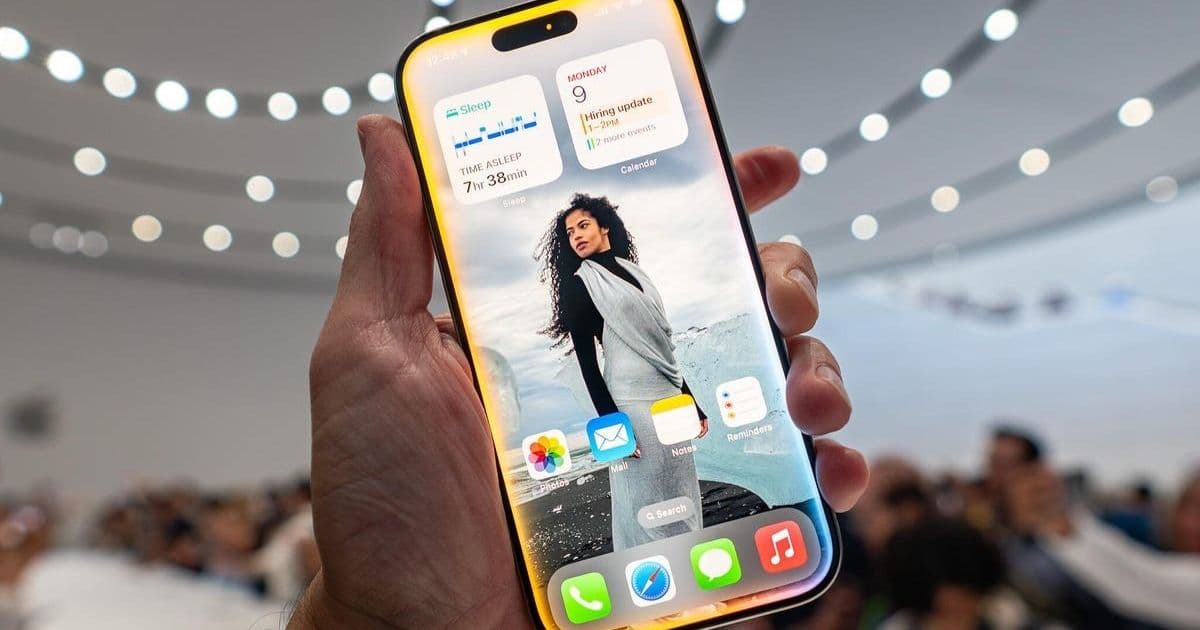
Google's Pixel 10 has raised the bar with deeply integrated AI capabilities, exposing critical gaps in Apple's approach. As the iPhone 17 launch approaches, we examine seven AI-powered features—from OpenAI's conversational assistant to Google's computational photography—that Apple must adopt to avoid falling behind in the era of intelligent devices.
iPhone 17's AI Imperative: Bridging the Gap with Pixel 10 and Beyond
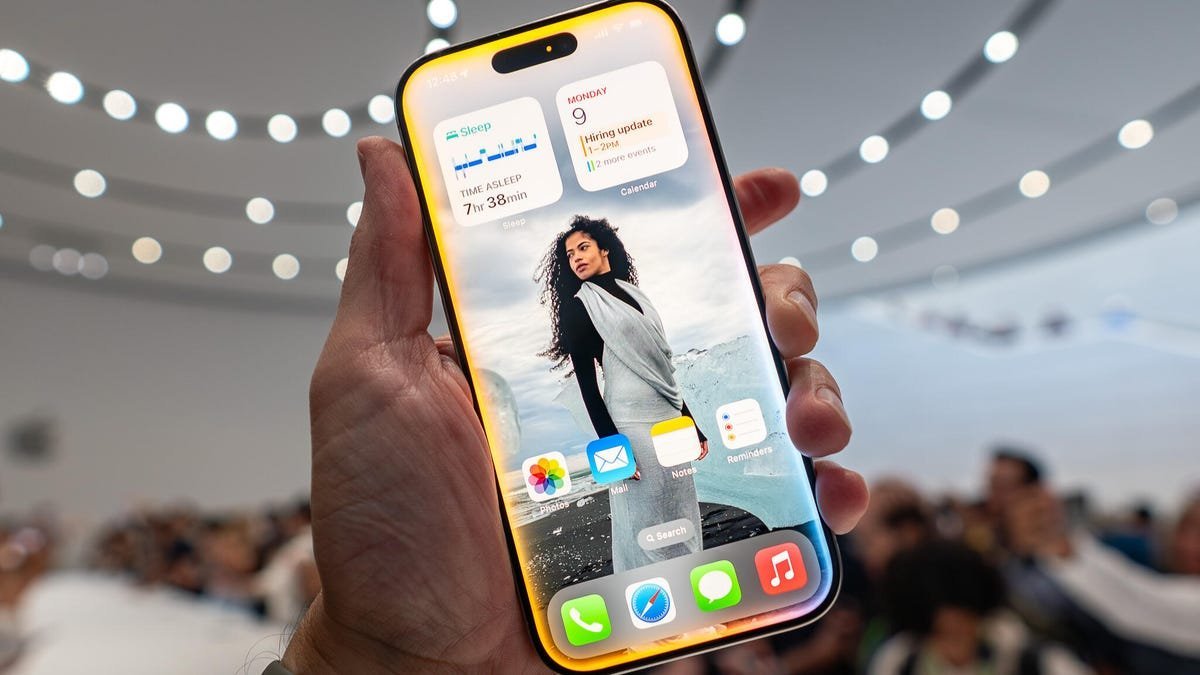
The recent launch of Google's Pixel 10 series represents a watershed moment in smartphone intelligence, embedding generative AI so deeply into the operating system that it redefines user expectations. For Apple, whose delayed "Apple Intelligence" features still haven't materialized, the upcoming iPhone 17 isn't just another iterative update—it's a crucial test of whether Cupertino can reclaim its innovation leadership in the AI era.
The Integration Gap
While iPhones already host standalone apps from AI pioneers like OpenAI and Anthropic, Google has demonstrated the transformative power of baking intelligence into the OS-hardware nexus. The Pixel 10's Tensor G5 chip enables on-device processing for features that feel less like tools and more like anticipatory assistants. This seamless integration creates experiences the iPhone currently can't match—and time is running out for Apple to respond.
Seven AI Features That Should Define iPhone 17
ChatGPT-Level Voice Intelligence
OpenAI's Voice Mode (soon renamed ChatGPT Voice) showcases how conversational AI should function—natural, persistent dialogue with contextual awareness. While users can awkwardly map it to the Action Button today, Apple needs system-level integration allowing deep access to Calendar, Mail, and Messages with its privacy-first approach. A potential OpenAI partnership could finally realize Siri's unfulfilled potential.Pro Res Computational Zoom
Google's Super Res Zoom on the Pixel 10 Pro uses generative AI to reconstruct detail in digitally zoomed images up to 100x—a revolutionary approach to mobile photography's weakest link. Apple's computational photography team has the talent to match this, potentially leveraging the A19 chip's neural engine to make optical limitations irrelevant through machine learning.Contextual Awareness à la Magic Cue
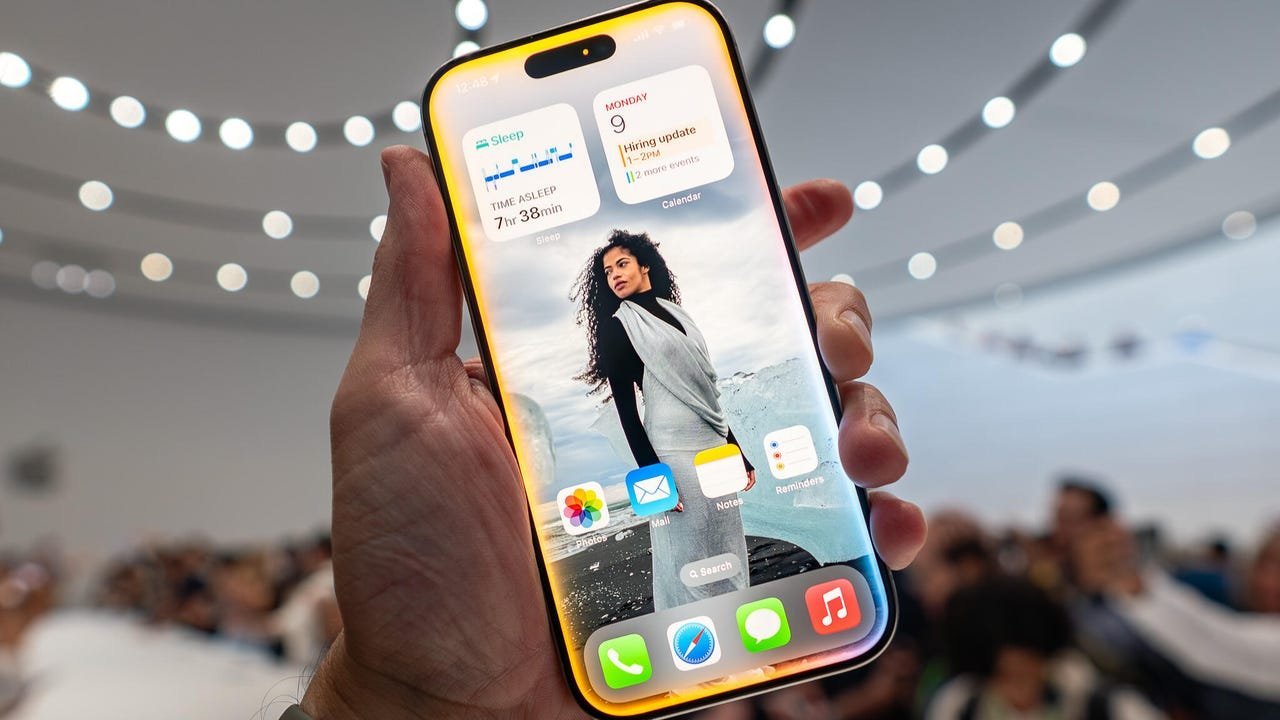
Apple Intelligence demos at WWDC 2024 showed promise but never shipped—now Google's Magic Cue delivers similar functionality.
Google's Magic Cue analyzes cross-app data to surface critical information proactively—like dinner reservations during a text conversation. Apple's WWDC 2024 demos promised similar "Personal Intelligence" features but never shipped. With on-device processing via Apple Silicon, the iPhone 17 could finally deliver this contextual awareness while maintaining Apple's privacy advantage.Anthropic's Deep Research Integration
Claude's "Deep Research" function—where AI spends minutes synthesizing complex queries with source attribution—could revolutionize Siri. Imagine triggering exhaustive, citation-backed research on device vulnerabilities or framework comparisons through voice commands. An Apple-Anthropic collaboration would provide developers with an unparalleled on-device research tool.AI-Powered Group Photography
Google's "Best Take" and "Add Me" features use AI to solve fundamental group photo problems: combining ideal expressions from multiple shots and digitally inserting the photographer. These aren't gimmicks—they're practical solutions leveraging generative models. Apple's computational photography team could implement similar functionality through the Photos app, potentially using LiDAR for spatial accuracy.Expanded Language Model Capabilities
While Meta's Ray-Bans and Google Translate support over 100 languages, Apple Translate stagnates at 20. The iPhone 17 needs large language model-powered translation expansion for real-time conversation, messaging, and Visual Lookup—critical for global developers and travelers. On-device LLMs could make this possible without compromising privacy.Conversational Photo Editing
Google's breakthrough "Describe Your Edit" feature in Pixel 10 allows natural language photo manipulation ("remove glare," "add clouds," "recenter subject"). This democratizes advanced editing through generative AI—a paradigm Apple should embrace in Photos with Core ML integration, potentially revolutionizing mobile content creation workflows.
The Stakes for Apple's Ecosystem
Google's approach proves that AI isn't just about features—it's about creating an intelligent layer that permeates the user experience. For developers, deeper OS-level AI APIs in iOS 18 could unlock unprecedented app capabilities. For enterprise users, features like Deep Research integration could transform productivity. But Apple's delayed execution risks ceding the "smartphone intelligence" narrative to competitors.
As the iPhone 17 launch approaches, Apple must demonstrate it can either build or partner its way to AI parity. The alternative? Watching the iPhone evolve from trendsetter to follower in the most significant computational shift since mobile internet.
Source: Based on reporting by Jason Hiner for ZDNET
Comments
Please log in or register to join the discussion