Pentagon explores special forces deployment to seize Iran's nuclear stockpile amid stalled diplomatic talks
The Pentagon is actively considering a military option to seize Iran's nuclear materials using special operations forces, according to sources familiar with internal deliberations. This development marks a significant escalation in U.S. strategic thinking about Iran's nuclear program as diplomatic efforts continue to stall.
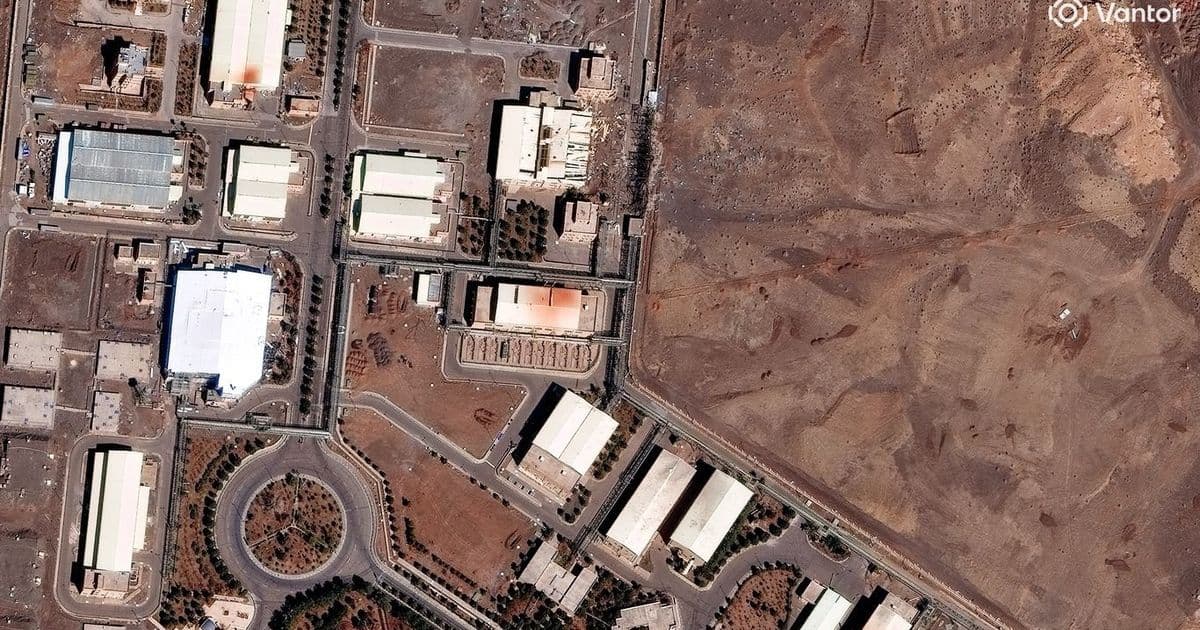
The proposed operation would involve deploying elite U.S. special forces units to secure Iran's nuclear stockpile, potentially at facilities like the Natanz enrichment complex. Satellite imagery from March 1 shows the Natanz facility complex, one of Iran's primary nuclear sites, highlighting the logistical challenges such an operation would face.
This military planning comes amid growing concerns within the U.S. national security establishment about Iran's nuclear progress. While diplomatic channels remain open, the consideration of direct military intervention represents a notable shift from previous approaches that focused primarily on economic sanctions and diplomatic pressure.
The timing is particularly sensitive given the current geopolitical landscape. With ongoing conflicts in multiple regions and strained U.S. military resources, any decision to deploy special forces for this mission would require careful strategic calculation. The operation would likely need to be conducted with minimal warning to prevent Iran from moving or securing its nuclear materials.
Military analysts note that such an operation would face significant challenges, including Iran's air defense systems, the dispersed nature of its nuclear facilities, and the potential for rapid escalation if Iranian forces resist. The Natanz facility, shown in recent satellite imagery, is heavily fortified and located deep within Iran's territory.
This development follows years of failed negotiations aimed at limiting Iran's nuclear program. The consideration of direct military action suggests that U.S. policymakers are increasingly viewing Iran's nuclear capabilities as an urgent threat requiring more assertive responses than traditional diplomatic or economic measures.
The Pentagon's internal deliberations remain at a preliminary stage, with no final decision made. However, the fact that military planners are actively wargaming such scenarios indicates a significant shift in how the U.S. is approaching the Iran nuclear challenge. Any actual deployment would require high-level approval and careful coordination with regional allies.
Regional security experts warn that such an operation could have far-reaching consequences, potentially destabilizing the Middle East and affecting global energy markets. The risk of Iranian retaliation, either directly or through proxy forces, would be substantial.
As deliberations continue, the international community remains focused on diplomatic solutions, though the consideration of military options suggests that patience with the current diplomatic track may be wearing thin among key U.S. decision-makers.
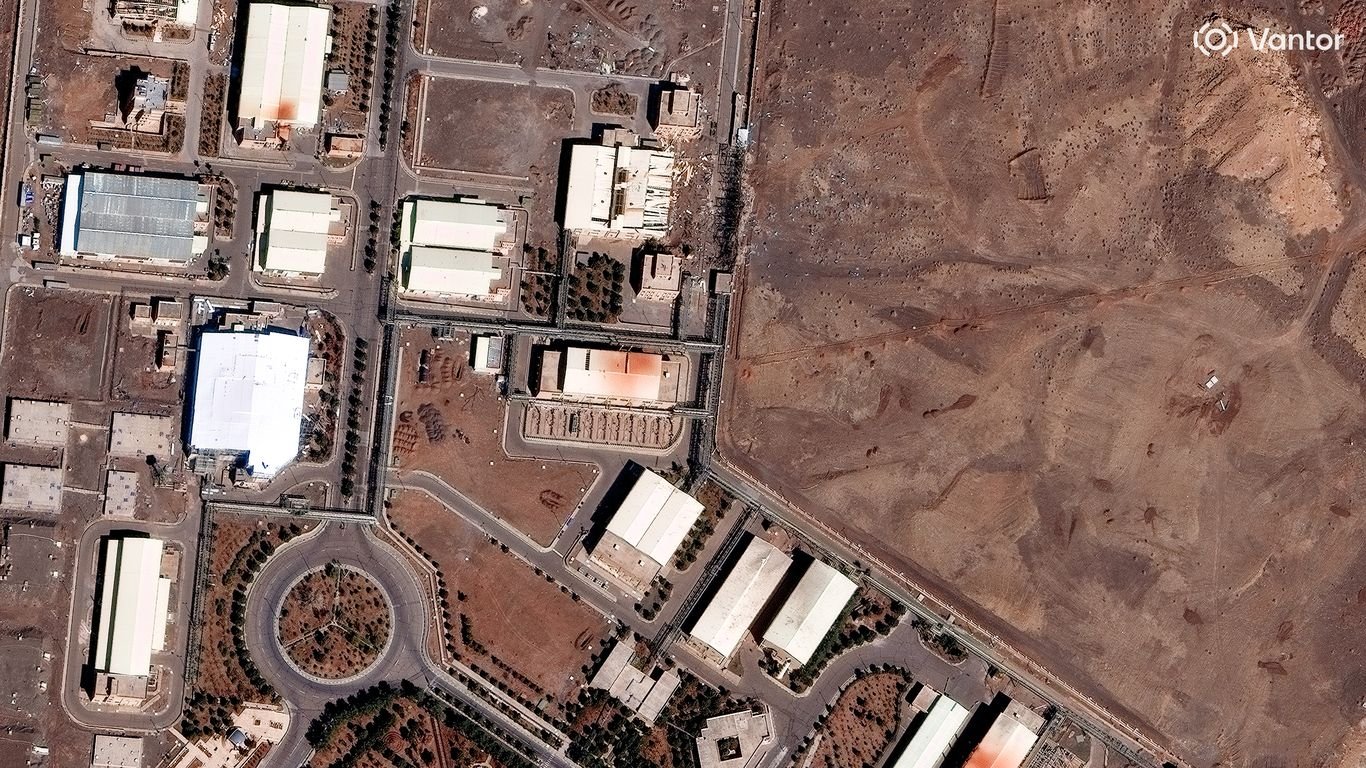
The satellite imagery showing the Natanz nuclear facility complex provides context for understanding the scale and security of Iran's nuclear infrastructure. The facility's extensive perimeter defenses and hardened structures would present significant obstacles for any potential military operation.
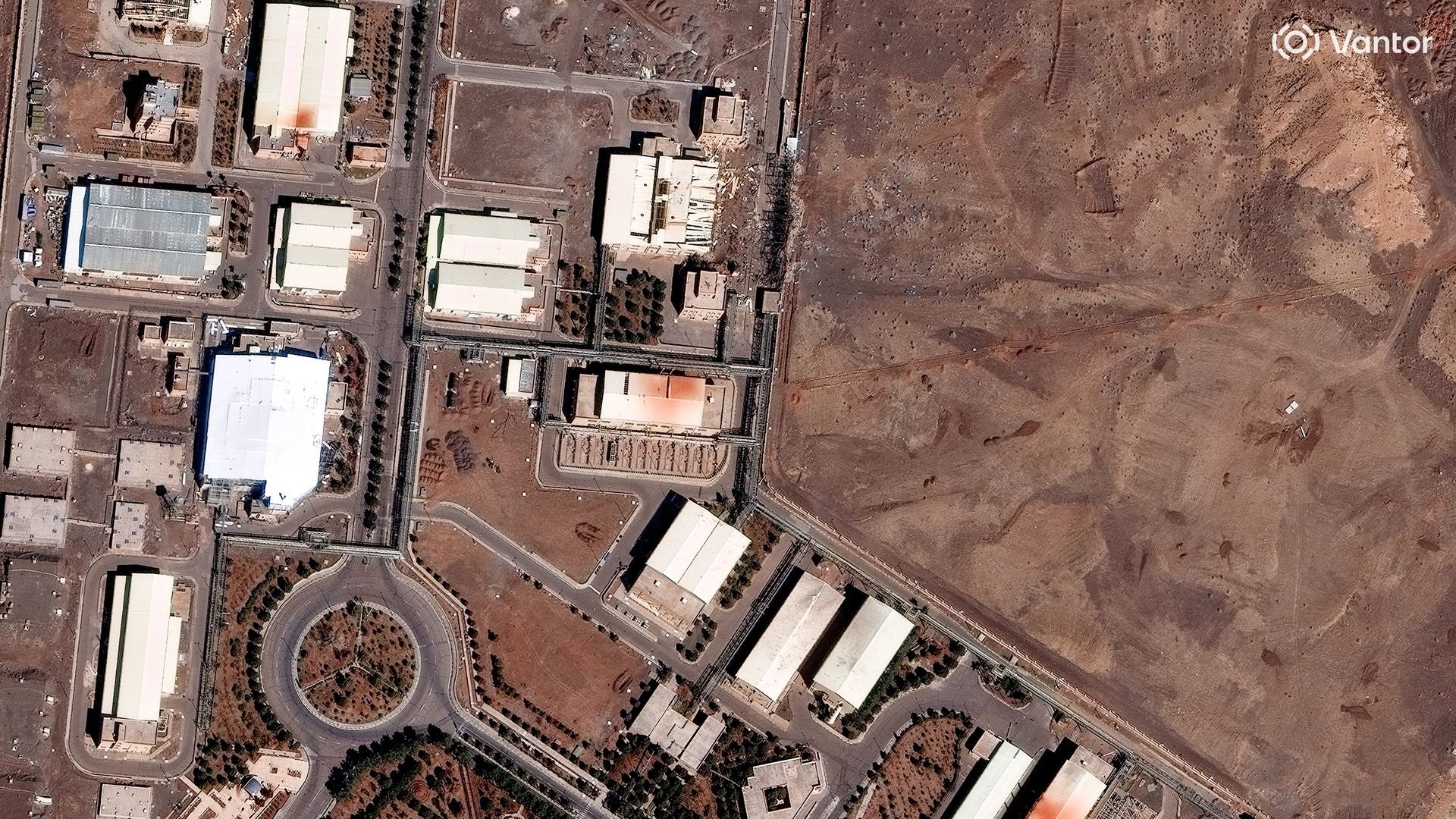
This high-resolution satellite view of the Natanz complex reveals the sophisticated nature of Iran's nuclear facilities. The multiple buildings and security perimeters indicate a well-developed infrastructure that would require careful planning and substantial resources to secure in any military operation.
Comments
Please log in or register to join the discussion