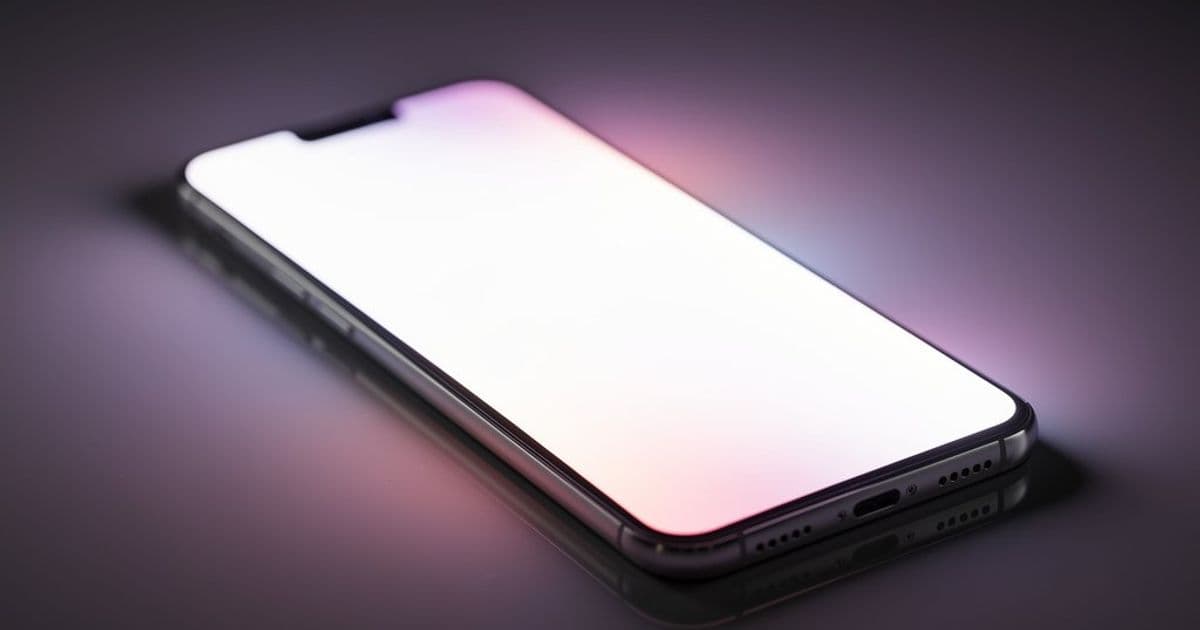
A new leak from Chinese tipster Instant Digital suggests Apple is pushing display manufacturers to achieve higher brightness levels for the iPhone 18, potentially making it significantly brighter than the current iPhone 17.
A fresh leak from the Chinese social media platform Weibo suggests that Apple's upcoming iPhone 18 may feature a noticeably brighter display than its predecessor. The report, from tipster Instant Digital, indicates that display manufacturer BOE is struggling to meet Apple's new brightness requirements, which could signal a significant upgrade in display technology for the next-generation iPhone.
The Current Display Landscape
To understand what a brighter display might mean for users, it's important to examine the current specifications. The iPhone 17, which launched in September 2024, features an LTPO OLED display with the following brightness levels:
- Typical maximum brightness: 1,000 nits
- HDR peak brightness: 1,600 nits
- Outdoor peak brightness: 3,000 nits
These numbers already represent industry-leading performance, particularly the 3,000 nit peak brightness which makes the display exceptionally visible in direct sunlight. However, if Apple is pushing for even higher brightness, it suggests they're looking to further improve visibility in challenging lighting conditions and enhance HDR content rendering.
What the BOE Leak Reveals
According to Instant Digital's report, BOE is having difficulty meeting Apple's new brightness specifications for the iPhone 18. This is significant because BOE has been a key supplier of OLED panels for Apple's iPhone lineup in recent years, particularly for standard models. The fact that Apple's requirements are reportedly "too demanding" for BOE suggests one of two possibilities:
Apple is pushing the boundaries of current OLED technology - Achieving higher brightness while maintaining color accuracy, power efficiency, and display longevity is technically challenging.
Apple may be working with alternative suppliers - Samsung Display and LG Display, which currently supply panels for Pro models, might be better positioned to meet these new specifications.
Expected Display Specifications
Recent leaks about the iPhone 18 suggest it will feature:
- 6.27-inch LTPO OLED display (slightly larger than the iPhone 17's 6.1-inch screen)
- 120Hz ProMotion refresh rate (standard across the lineup)
- Dynamic Island (continuing from iPhone 14 Pro onward)
The move to a 6.27-inch display represents a modest size increase, but the potential brightness upgrade could be the more significant change for daily use.
Technical Considerations for Higher Brightness
Increasing display brightness isn't as simple as just pumping more power into the LEDs. Several technical challenges arise:
Power Consumption: Higher brightness typically means higher power draw, which could impact battery life. Apple would need to balance this with more efficient display technology or larger batteries.
Heat Management: Brighter displays generate more heat, which requires better thermal management solutions within the device's compact form factor.
Display Longevity: OLED panels can experience burn-in or degradation over time, especially at high brightness levels. Apple would need to implement advanced pixel shifting and brightness management algorithms.
Color Accuracy: Maintaining color accuracy at higher brightness levels requires sophisticated calibration and panel technology.
Ecosystem and Market Implications
The display brightness upgrade could have several implications for Apple's ecosystem:
Content Consumption: Higher brightness improves visibility for HDR content, making movies and photos more impactful, especially in bright environments.
Outdoor Use: For users who frequently use their phones outdoors, even a modest brightness increase can make a significant difference in usability.
Competitive Positioning: While Android flagships have been pushing display brightness for years (with some reaching 2,000-2,500 nits), Apple has focused on balanced performance. A significant brightness increase would help maintain Apple's competitive edge.
Launch Timeline and Model Strategy
The iPhone 18 is rumored to deviate from Apple's traditional September launch cycle, potentially debuting in early 2027 alongside a more affordable iPhone 18e model. This timeline shift could be related to supply chain challenges or strategic product planning.
The inclusion of an iPhone 18e suggests Apple may be continuing its strategy of offering a more accessible entry point to its ecosystem, potentially with slightly different display specifications compared to the standard model.
What This Means for Consumers
If the leak proves accurate, iPhone 18 users could expect:
- Better outdoor visibility - Easier screen viewing in direct sunlight
- Enhanced HDR experience - More impactful highlights in HDR content
- Improved low-light performance - Potentially better readability in dim environments
- Consistent ProMotion experience - 120Hz refresh rate across the standard model
However, consumers should also consider potential trade-offs:
- Possible price increases - Advanced display technology often comes at a premium
- Battery life considerations - Higher brightness could impact all-day usage
- Case compatibility - Slightly larger display dimensions might affect accessory compatibility
Industry Context
This leak comes at a time when display technology continues to evolve rapidly. Manufacturers are exploring new materials and techniques to improve brightness, efficiency, and color reproduction. Apple's display partners, including Samsung Display and LG Display, have been investing heavily in next-generation OLED technologies that could enable these brightness improvements.
The competition in the smartphone display space remains fierce, with Chinese manufacturers like BOE, Samsung, and LG all vying for Apple's business. Apple's stringent requirements often push suppliers to innovate, which benefits the entire industry through technological advancements that eventually trickle down to other devices.
Looking Ahead
While this leak should be treated as speculative until confirmed by Apple or more reliable sources, it highlights the ongoing evolution of smartphone displays. The iPhone 18's potential brightness upgrade represents Apple's continued focus on display quality as a key differentiator in the competitive smartphone market.
For now, consumers interested in the latest display technology can look forward to the iPhone 17's already impressive specifications, while keeping an eye on how Apple might push the boundaries further with the iPhone 18 series in 2027.
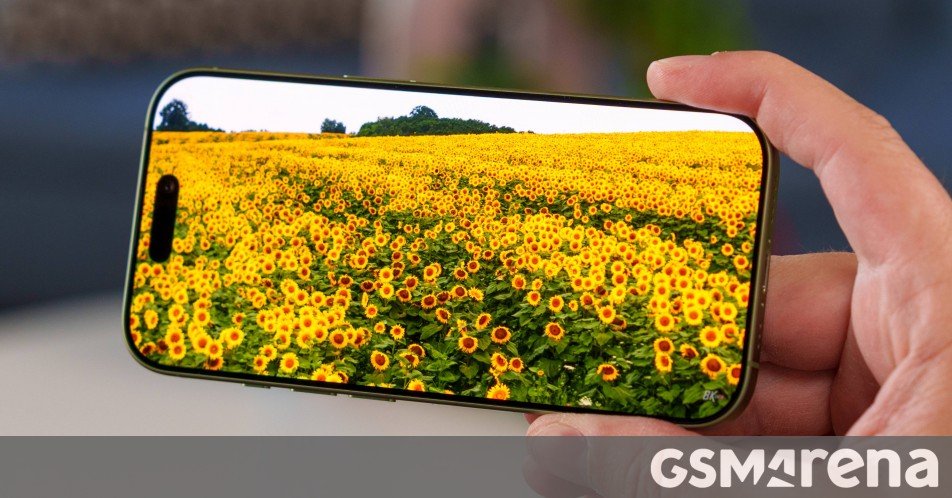
The current iPhone 17 display already offers excellent brightness, but the iPhone 18 may push these limits further.
Social media preview of the potential display upgrade for iPhone 18.
Related Developments
The display upgrade rumor is part of a broader set of expected improvements for the iPhone 18 series. Recent reports also suggest:
- Upgraded selfie cameras across the entire iPhone 18 lineup
- Mass production testing beginning soon
- Potential launch cycle changes with the 18 series
These developments indicate that Apple is planning significant updates for its next-generation iPhone, with display technology being just one piece of the puzzle.
Conclusion
The possibility of a brighter iPhone 18 display represents Apple's ongoing commitment to display excellence. While the technical challenges are significant, Apple's history of pushing display technology forward—from the first Retina display to ProMotion—suggests they're well-positioned to deliver meaningful improvements. As we approach the expected 2027 launch, more details about the display specifications and other features will likely emerge, giving consumers a clearer picture of what to expect from the next generation of iPhone.
Comments
Please log in or register to join the discussion