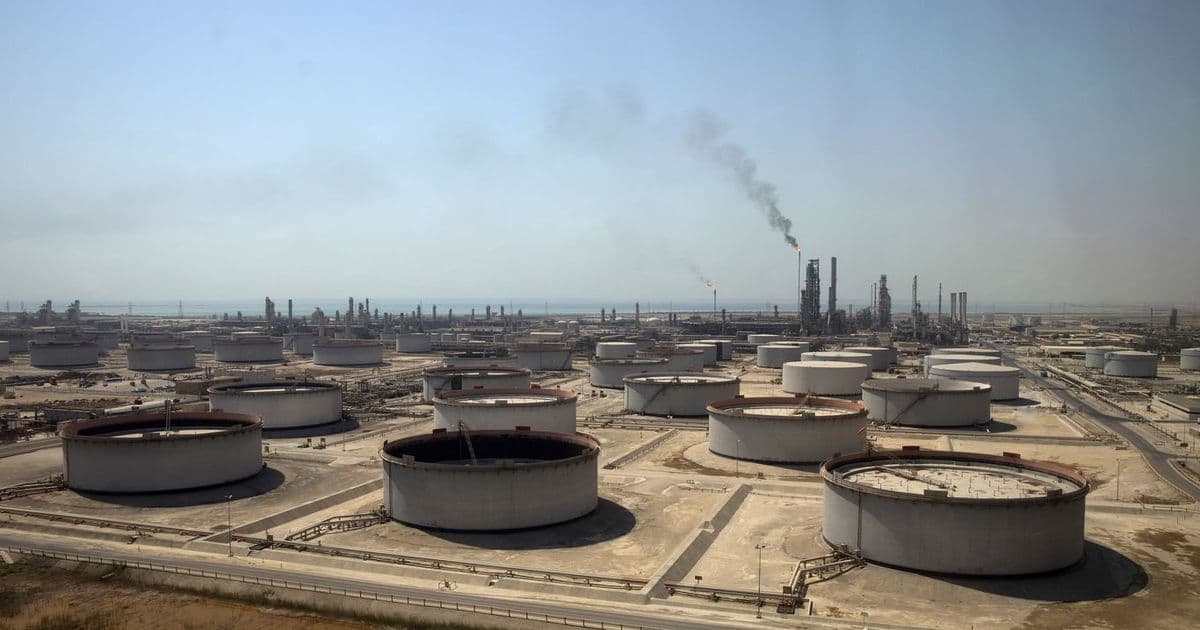
Iranian attacks on Saudi Arabia's energy infrastructure have triggered a spike in global oil prices, highlighting the vulnerability of critical energy facilities and the potential for regional conflicts to disrupt global markets.
An Iranian attack on Saudi Arabia's largest oil refinery has sent shockwaves through global energy markets, causing oil prices to surge as traders assess the potential impact on supply and regional stability.
The Attack and Immediate Market Impact
The assault targeted Saudi Aramco's Ras Tanura facility, one of the world's largest oil processing plants with a capacity of 7 million barrels per day. The attack, which involved drone strikes and missile launches, caused temporary disruptions to operations and raised concerns about the vulnerability of critical energy infrastructure in the region.
In the immediate aftermath, Brent crude futures jumped over 4% to $88 per barrel, while West Texas Intermediate crude rose 3.5% to $84 per barrel. The price volatility reflects market anxiety about potential supply disruptions and the broader implications for Middle East stability.
Strategic Significance of the Target
Ras Tanura represents a critical node in global energy supply chains. Located on Saudi Arabia's eastern coast, the facility processes crude oil from the kingdom's massive Ghawar field and exports refined products to international markets. Its strategic importance makes it a high-value target for adversaries seeking to pressure Saudi Arabia and its allies.
The attack demonstrates Iran's growing capability to project military power beyond its borders, utilizing advanced drone technology and precision-guided munitions. This escalation in the shadow conflict between Iran and Saudi Arabia raises questions about the effectiveness of existing deterrence measures and the potential for further attacks on energy infrastructure.
Global Economic Implications
Oil price increases of this magnitude have immediate ripple effects across the global economy. Transportation costs rise, affecting everything from airline tickets to shipping rates. Energy-intensive industries face higher input costs, potentially squeezing profit margins and forcing price increases on consumers.
For countries heavily dependent on oil imports, like India and Japan, the price spike creates additional economic pressure. The European Union, already grappling with energy security concerns following Russia's invasion of Ukraine, now faces renewed uncertainty about Middle East oil supplies.
Saudi Arabia's Response and Regional Dynamics
Saudi Arabia has vowed to retaliate against Iran for the attack, raising the specter of an escalating cycle of strikes and counter-strikes. The kingdom has invested heavily in air defense systems and missile interceptors, but the successful penetration of these defenses suggests gaps in protection that adversaries may exploit.
The attack comes amid broader tensions in the region, including the ongoing conflict in Yemen and Iran's nuclear program negotiations. It may complicate diplomatic efforts to reduce regional tensions and could strengthen hardliners in both Tehran and Riyadh who favor confrontation over dialogue.
Energy Security and Market Resilience
This incident highlights the persistent vulnerability of global energy infrastructure to geopolitical shocks. Despite efforts to diversify energy sources and build strategic reserves, the concentration of oil production in the Middle East continues to create systemic risks for the global economy.
Energy traders are now closely monitoring Saudi Arabia's recovery efforts at Ras Tanura and watching for any signs of Iranian preparations for follow-up attacks. The market's reaction suggests that even the perception of supply disruption can trigger significant price movements, underscoring the psychological component of energy security.
Looking Ahead: Potential Scenarios
The coming weeks will be critical in determining whether this attack represents a one-off escalation or the beginning of a sustained campaign against Saudi energy assets. If Iran continues targeting refineries and export terminals, oil prices could climb further, potentially reaching levels that trigger demand destruction and economic slowdowns.
Conversely, if Saudi Arabia and its allies successfully deter further attacks through military or diplomatic means, prices may stabilize as markets price in the temporary nature of the disruption. The effectiveness of Saudi air defenses and the credibility of Iranian threats will be key factors in this calculation.
Investment and Policy Implications
The attack reinforces the strategic importance of energy infrastructure investment and the need for robust security measures at critical facilities. It may accelerate efforts to develop alternative energy sources and reduce dependence on Middle East oil, though such transitions take years to implement.
For investors, the incident highlights the ongoing geopolitical risk premium in energy markets and the potential for sudden price volatility. Energy companies with exposure to the region may face higher insurance costs and security requirements, while defense contractors could see increased demand for protection systems.
As tensions persist, the global economy remains vulnerable to energy supply shocks that can emerge from regional conflicts. The attack on Ras Tanura serves as a stark reminder that energy security remains a critical concern for policymakers and market participants alike.
Comments
Please log in or register to join the discussion