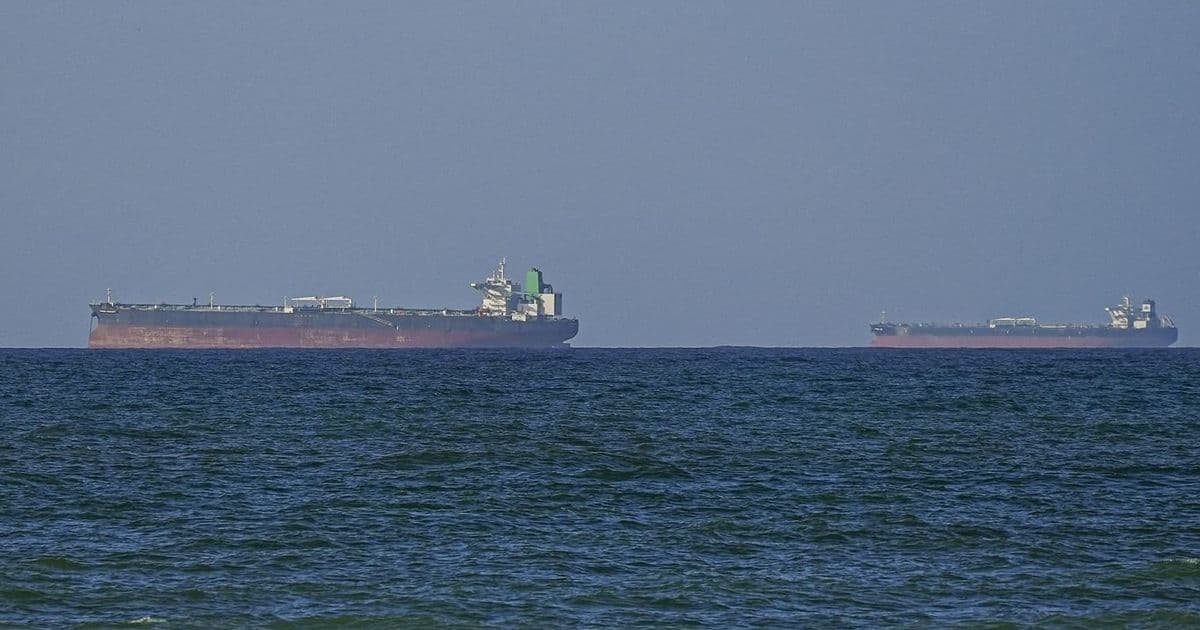
Iran has once again closed the Strait of Hormuz and fired on commercial tankers, escalating tensions in the region just weeks after a temporary ceasefire with the United States.
Iran has once again closed the Strait of Hormuz and fired on commercial tankers, escalating tensions in the region just weeks after a temporary ceasefire with the United States.
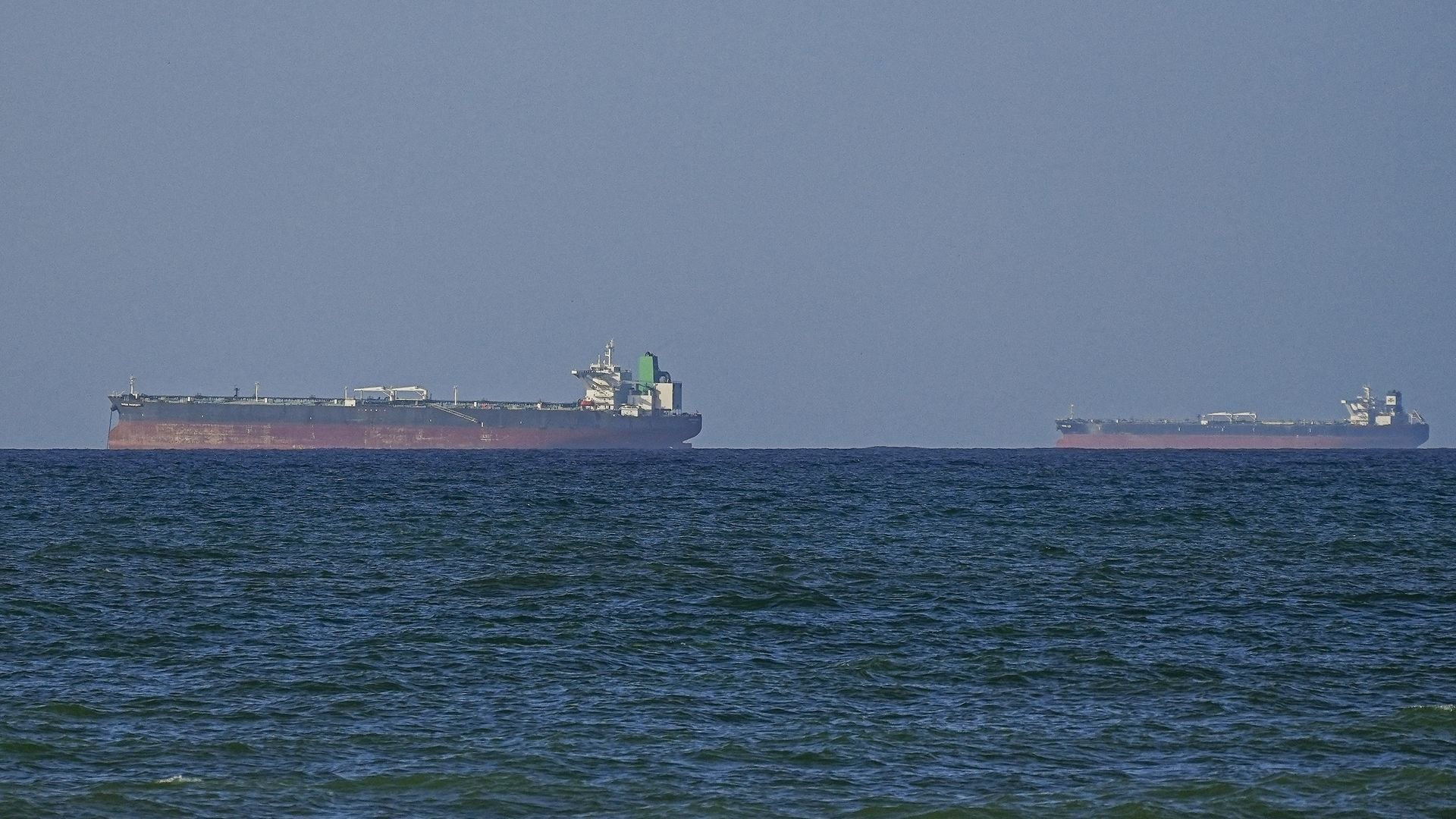
Strait of Hormuz Closure: Strategic Implications The Strait of Hormuz, a critical chokepoint through which approximately 20% of global oil supplies pass, has been closed by Iranian forces for the second time in recent months. This action follows a two-week temporary ceasefire that was reached between the United States and Iran under the condition that the strait be reopened.
Military Escalation Details According to reports from multiple sources, Iranian naval forces have fired on several commercial tankers attempting to transit the strait. The attacks appear to be part of a broader strategy to assert control over this vital maritime passage and pressure international stakeholders.
Economic Impact The closure of the Strait of Hormuz has immediate and severe implications for global oil markets. Brent crude prices surged by over 8% in early trading following the announcement, with analysts warning of potential supply disruptions if the situation continues.
International Response The United States has condemned the actions as "unprovoked aggression" and has deployed additional naval assets to the region. European Union officials have called for an emergency meeting of the UN Security Council to address the escalating situation.
Historical Context The Strait of Hormuz has been a flashpoint for regional tensions for decades. Iran has previously threatened to close the strait during periods of heightened conflict, though actual closures have been relatively rare due to the severe economic consequences.
What Happens Next Diplomatic channels remain open, but the window for de-escalation appears to be narrowing. The United States has indicated that further military action may be necessary to ensure freedom of navigation, while Iran maintains that its actions are defensive in nature.
The situation continues to develop rapidly, with potential implications for global energy security and regional stability.
Comments
Please log in or register to join the discussion