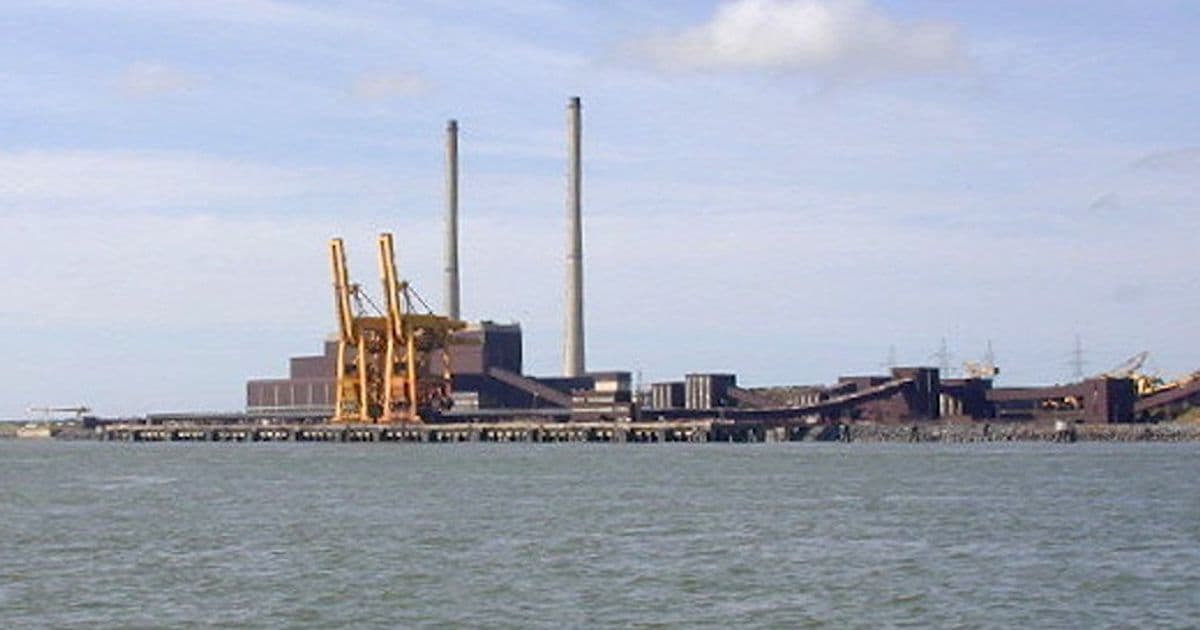
Ireland has shut down its last coal-fired power plant, marking a significant milestone in the country's transition to renewable energy and setting a precedent for other European nations to follow.
Ireland has officially ended coal power generation at its Moneypoint plant in County Clare, becoming the 15th European country to achieve this milestone and marking a significant step in the nation's energy transition.
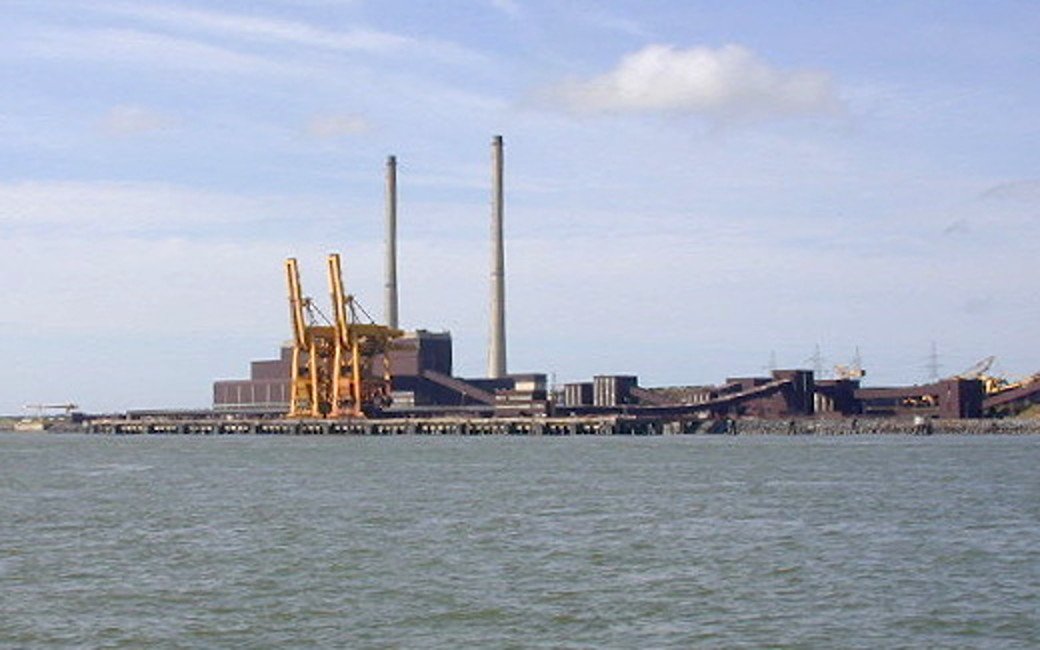
The 915 MW Moneypoint coal plant, which began operations in the mid-1980s by ESB (Electricity Supply Board), was initially designed to help Ireland mitigate the impact of the oil crises in the 1970s by providing a reliable energy source. However, the energy landscape in Ireland has dramatically transformed over the past four decades.
Today, Ireland generates approximately 37% (11.4 TWh) of its electricity from wind power, according to data from energy think tank Ember. While solar energy generation remains significantly lower at 0.97 TWh in 2024, it has been consistently breaking generation records in recent months, with local stakeholders expressing confidence that this positive trend will continue.
Following the closure, the Moneypoint plant will maintain a limited backup role, burning heavy fuel oil under emergency instructions from Ireland's transmission system operator EirGrid until 2029. This transitional approach aligns with previous plans by EirGrid and ESB to exit coal-fired generation by the end of 2025, which stipulated that Moneypoint would no longer participate in the wholesale electricity market.
"Ireland has quietly rewritten its energy story, replacing toxic coal with homegrown renewable power," said Alexandru Mustață, campaigner on coal and gas at Europe's Beyond Fossil Fuels. "But this isn't 'job done'. The government's priority now must be building a power system for a renewable future; one with the storage, flexibility, and grid infrastructure needed to run fully on clean, domestic renewable electricity."
The transition away from coal represents more than just a single plant closure. It signals Ireland's commitment to building a sustainable energy infrastructure that can support a fully renewable electricity system. This includes developing adequate energy storage solutions, enhancing grid flexibility, and investing in the necessary infrastructure to accommodate variable renewable energy sources.
However, environmental groups caution that challenges remain. Jerry Mac Evilly, Campaigns Director at Friends of the Earth Ireland, has called on the government to minimize oil backup at Moneypoint and ultimately decommission it. He also raised concerns about the growing data center sector in Ireland, which he argues is increasing the country's reliance on fossil gas.
"We also can't ignore that the government is targeting the installation of at least 2 GW of gas power plants with no strategy to reduce Ireland's dangerous gas dependency," Mac Evilly added, highlighting the need for a comprehensive approach to energy transition that addresses all fossil fuel dependencies.
Ireland's coal exit sets an important precedent for other European nations. According to Beyond Fossil Fuels, 23 European countries have committed to coal phase-outs. Italy is expected to complete its mainland coal phase-out this summer with the closure of its last two major coal power plants, while mainland Spain is also anticipating declaring itself coal-free this summer.
The closure of Moneypoint represents a significant achievement in Ireland's climate goals and demonstrates the feasibility of transitioning from coal to renewable energy sources. As wind and solar continue to expand their share of Ireland's energy mix, the country is positioning itself as a leader in the European clean energy transition.
This content is protected by copyright and may not be reused. If you want to cooperate with us and would like to reuse some of our content, please contact: [email protected].
Comments
Please log in or register to join the discussion